


The All-Important Fibre Factor
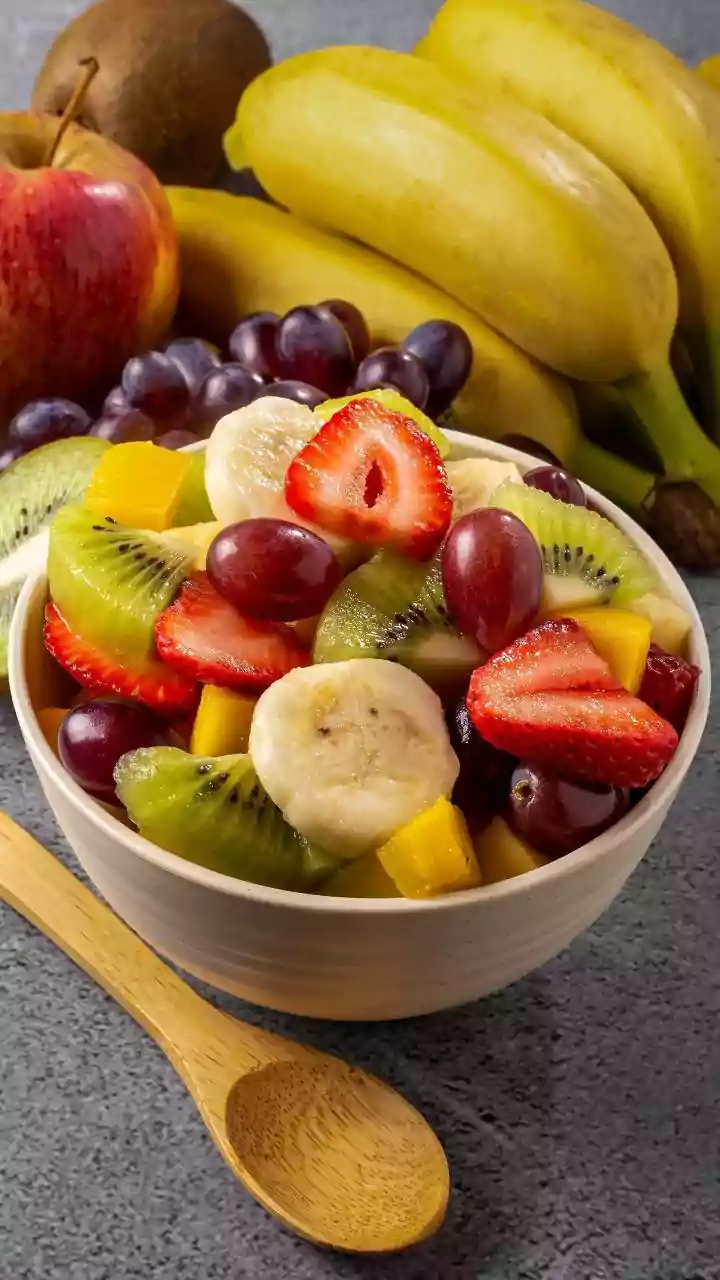
The single biggest difference between eating a whole fruit and drinking its juice is fibre. Whole apples and oranges are packed with it, particularly soluble fibre like pectin. This fibre is almost entirely removed during the juicing process, even in high-end
cold-pressed varieties. Why does that matter? Fibre acts as a natural brake system for your digestion. It forms a gel-like substance in your gut, slowing down how quickly food leaves your stomach and, crucially, how fast sugar enters your bloodstream. This prevents the sharp blood sugar spikes that are associated with drinking juice. This slower, more controlled release of sugar is fundamental to good metabolic health, helping to improve insulin sensitivity and reduce the risk of conditions like type 2 diabetes.
A Tale of Two Sugars
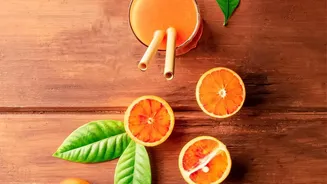
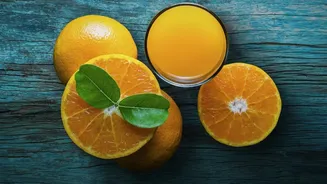
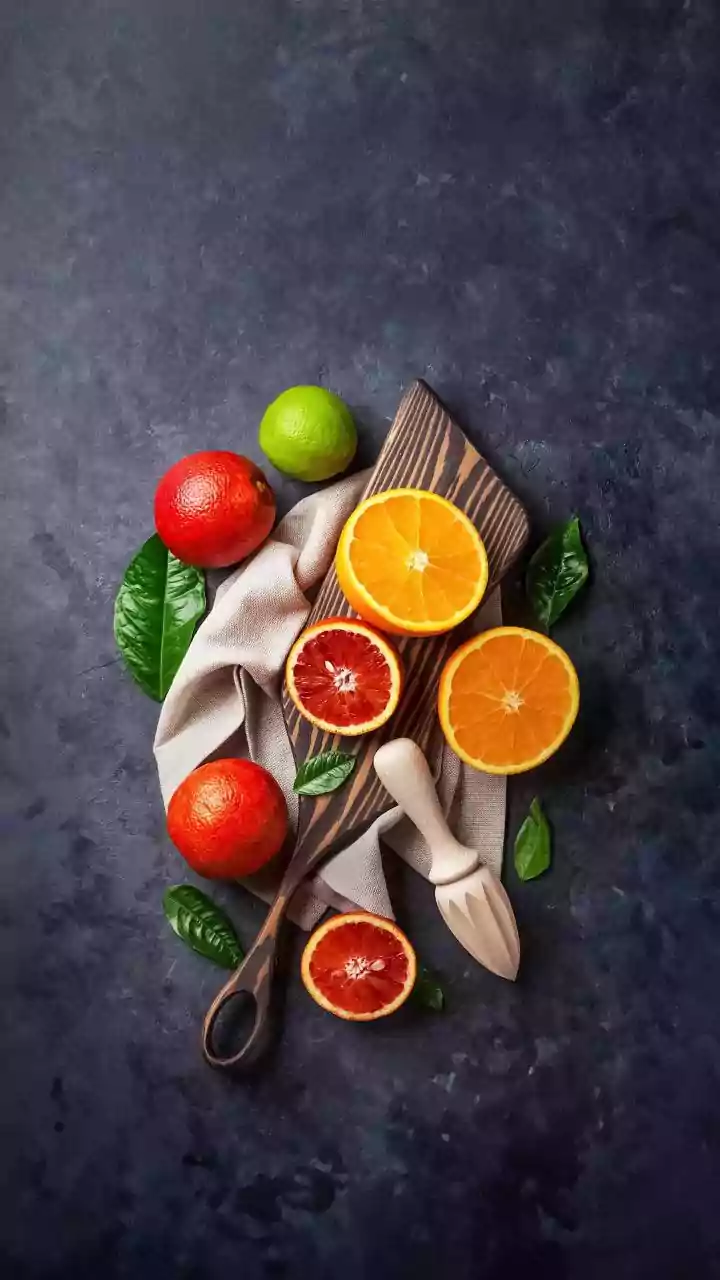
An orange and a glass of orange juice might seem nutritionally similar, but your body processes their sugars very differently. In a whole fruit, the sugars are 'intrinsic,' meaning they are naturally bound within the fruit's cellular structure, interwoven with fibre. Juicing breaks down these cell walls, turning the sugars into 'free sugars,' which are absorbed by the body much more rapidly. Think of it this way: it takes three or four oranges to make a single glass of juice. You could easily drink that glass in under a minute, consuming a concentrated dose of sugar that your body is forced to process all at once. Eating three whole oranges, however, takes far longer and the fibre content ensures the sugar is released slowly and steadily. This rapid sugar absorption from juice can lead to a dramatic spike in blood sugar and insulin levels, which over time can contribute to metabolic issues.
Satiety: The Feeling of Fullness
Metabolic health is also closely linked to weight management, and this is where satiety—the feeling of being full and satisfied—plays a key role. The physical act of chewing a whole apple or peeling an orange sends signals to your brain that you are eating. The fibre and water content of the whole fruit also take up space in your stomach, contributing to a feeling of fullness that helps regulate your appetite. Studies consistently show that solid foods are more satiating than liquids. People who consume whole fruit tend to eat fewer calories overall compared to those who drink juice. Juice, being a liquid, is consumed much faster and doesn't trigger the same satiety signals, making it easy to consume excess calories and sugar without feeling full.
What About 'Cold-Pressed' and Nutrients?
The term 'cold-pressed' sounds sophisticated, suggesting a superior nutritional profile. This method uses a hydraulic press to extract juice without generating the heat that traditional centrifugal juicers do, which can help preserve more heat-sensitive vitamins and enzymes. However, the main nutritional drawback of juicing isn't the extraction method itself; it's the removal of fibre and the fruit's physical structure. While cold-pressed juice may retain more vitamins than a pasteurised commercial juice, it still lacks the essential fibre and delivers a concentrated dose of free sugars. Many beneficial antioxidants and plant compounds, known as polyphenols, are bound to the fibre in whole fruits, meaning they are lost during the juicing process. Therefore, while you get some vitamins, you miss out on the synergistic benefits of the complete package that a whole fruit provides.
The Verdict on Juice Cleanses
The idea of a 'detox' or 'cleanse' is appealing, but there is little scientific evidence to support the claim that juice cleanses rid the body of toxins any better than our own liver and kidneys already do. In fact, for metabolic health, a diet consisting solely of juice can be counterproductive. The lack of fibre, protein, and fat can lead to hunger and an unstable blood sugar rollercoaster. Any weight lost on a short-term juice cleanse is typically water weight and is quickly regained once a normal diet is resumed. Some cleanses can even slow your metabolism, making future weight management more difficult.