





What Exactly is Ragi?
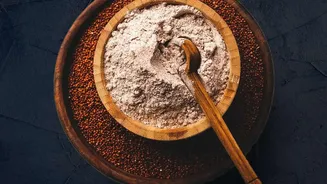
Ragi, also known as finger millet, is an ancient cereal grain that has been a staple in parts of India and Africa for thousands of years. Recognizable by its reddish hue, this tiny grain is celebrated not just for its resilience as a crop, but for its impressive
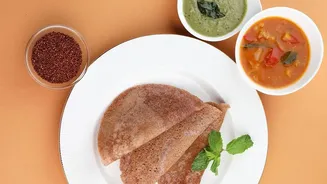
nutritional profile. Traditionally used to make everything from porridge and flatbreads (rotis) to the famous ragi mudde (steamed balls) in Karnataka, this versatile millet is now being rediscovered for its potential in a wide range of dishes, including savoury crepes that are perfect for breakfast, lunch, or dinner.
The Powerful Health Benefits
One of ragi's biggest selling points is that it is naturally gluten-free, making it an excellent and safe choice for individuals with celiac disease or gluten sensitivity. But the benefits don't stop there. Ragi is a nutritional powerhouse, boasting high levels of dietary fibre, which aids digestion and can help with weight management by keeping you feeling full longer. It is also one of the best plant-based sources of calcium, crucial for bone health. Furthermore, it is rich in iron, which helps combat anaemia, and has a low glycemic index, making it a favourable grain for managing blood sugar levels.
Creating the Perfect Batter
Making a savoury ragi crepe batter is simpler than you might think. For an instant version, which is perfect for busy mornings, you can create a thin, pourable batter using ragi flour. A common method involves combining one part ragi flour with a smaller portion of rice flour and a bit of semolina (sooji) to achieve extra crispiness. To this mix, add water, salt, cumin seeds, and finely chopped ingredients like onions, green chillies, and fresh coriander. The key to a crispy, lacy crepe is a thin, watery batter, almost like the consistency of milk. Let the batter rest for about 15-20 minutes to allow the flours to hydrate properly.
Tips for Crispy Crepes Every Time
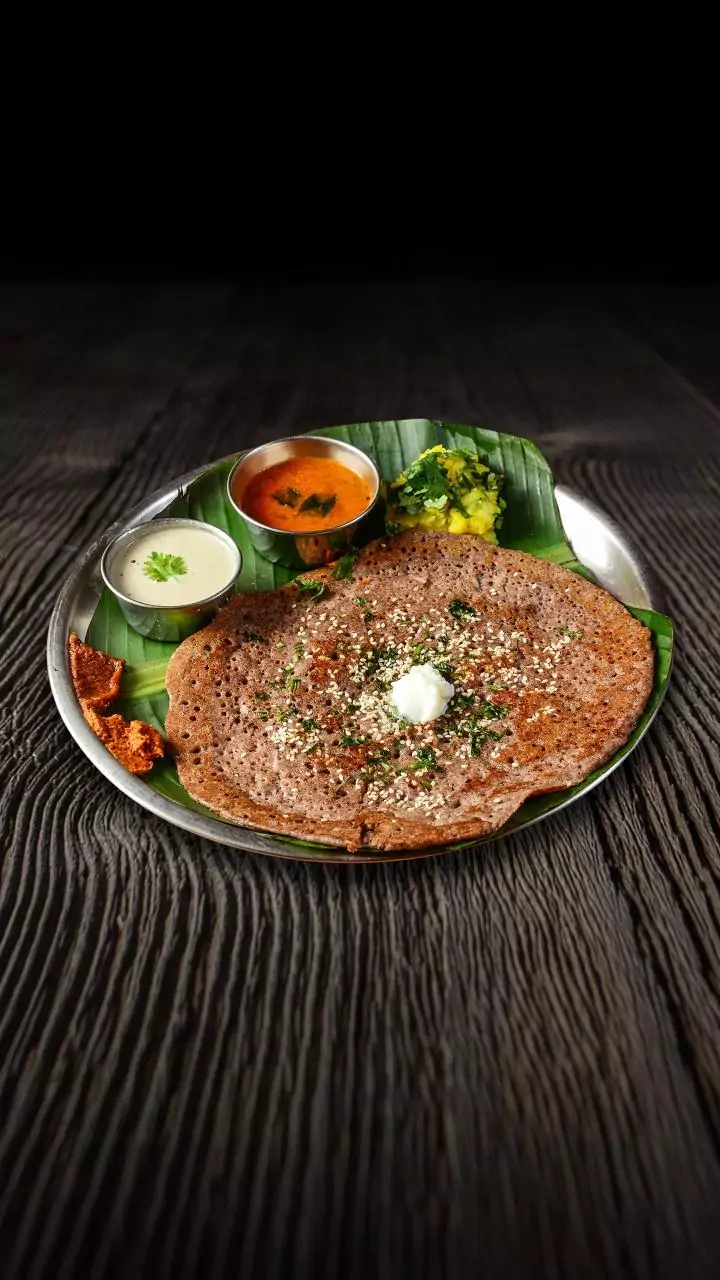
The secret to a perfect ragi crepe, often called a ragi dosa, lies in the technique. First, ensure your pan or tava is very hot before you begin. Unlike traditional dosa batter, this thin batter is poured onto the pan from a slight height in a circular motion, rather than spread with a ladle. This creates the signature lacy texture. Drizzle a little oil or ghee around the edges and cook on a medium flame. Patience is key; allow the crepe to cook for about 2-4 minutes until the edges turn golden brown and begin to lift from the pan. There is often no need to flip it, as the thin crepe will cook through.
Ideas for Savoury Fillings
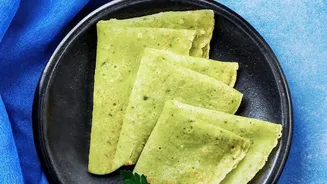
While these ragi crepes are delicious on their own or with a side of chutney, they also serve as an excellent vessel for a variety of savoury fillings. You can go the classic route with a spiced potato mixture (masala dosa filling). For a protein-packed option, consider a filling of scrambled paneer (paneer bhurji), tofu, or even minced chicken. A simple mix of sautéed vegetables like carrots, capsicum, and cabbage also works beautifully. Other creative ideas include fillings with mushrooms and cheese, curried chickpeas, or even a fresh Caprese-style mix of mozzarella, tomatoes, and basil.