



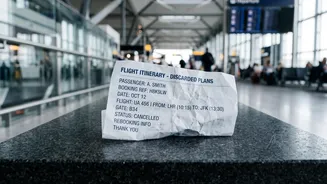
The High Cost of Travel Anxiety
According to the SITA 2026 Passenger IT Insights report, a survey of nearly 8,000 travellers across 24 countries, a staggering number of potential trips are never booked because the stress of the experience is too daunting. This isn't just a minor inconvenience;
it represents a significant loss of business for airlines and the entire travel ecosystem. As SITA's CEO David Lavorel puts it, 'Every trip we win back is a seat filled, a parking space sold and a coffee bought'. The issue is particularly pronounced among the most valuable customer groups: six in 10 frequent flyers and more than half of travellers under 30 have abandoned a trip over stress concerns.
Pinpointing the Pain Points
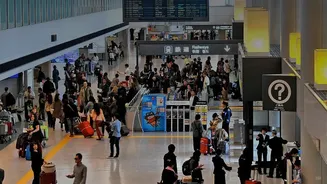
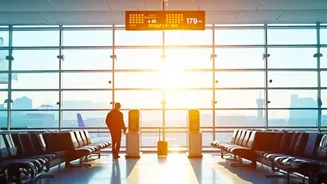
So, where does this stress come from? The report identifies a few key culprits that travellers consistently find frustrating: delays, long queues, and baggage worries. The core of the issue often boils down to a lack of information and a feeling of lost control. Interestingly, anxiety levels have grown fastest in the part of the journey between security and boarding. A third of passengers now report feeling anxious during this 'dwell time', a threefold increase from 2023. This is the very period when airports hope passengers will relax, shop, or dine. Instead, many are preoccupied with uncertainty about their gate, boarding time, and potential disruptions.
Technology: The Double-Edged Sword
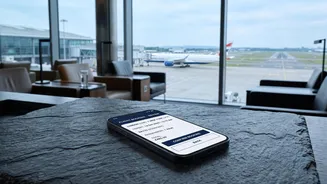
While technology is often touted as the solution, its implementation is key. The good news is that passengers overwhelmingly believe in its potential, with eight out of ten surveyed saying technology can reduce the stress of air travel. Passengers are calmest during stages like check-in and boarding, where the journey is often managed on their phones. The trouble arises from a fragmented experience. What travellers want are real-time, consolidated updates. They want to know about delays instantly, see live queue times for security, and get accurate walking times to their gate displayed on airport screens.
A Path to Smoother Journeys
The industry is taking note, with a push towards greater data sharing between airlines, airports, ground handlers, and border agencies. The goal is to provide passengers with the information they need before they even have to ask. For instance, the report highlights the United Arab Emirates, where 77% of passengers used technology at border control. In that group, only 13% reported negative emotions, compared to 37% of travellers globally at the same stage. Artificial intelligence is also poised to play a bigger role. Four in ten travellers are already willing to receive real-time updates from an AI that monitors their journey and flags changes. For the individual traveller, this means a future where your phone automatically updates with a new gate number, revised boarding time, and even a map showing you how to get there.
What Travellers Can Do Now
While the industry works on these large-scale solutions, there are steps anxious flyers can take. Choosing a seat over the wings can reduce the sensation of turbulence, a common anxiety trigger. For those who feel claustrophobic, an aisle seat can provide a sense of more space and control. Preparation remains a key tool for reducing stress. Using packing apps can help ensure you don't forget essentials, and arriving at the airport with ample time can mitigate the pressure of rushing. Finally, once at the airport, try to avoid crowding the gate area. Boarding later, when possible, can create a calmer experience and reduce the feeling of competition for overhead bin space that fuels so much pre-flight tension.