




A Puzzling Pattern
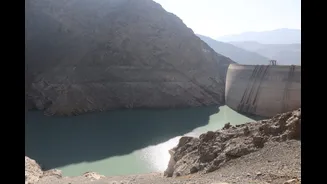
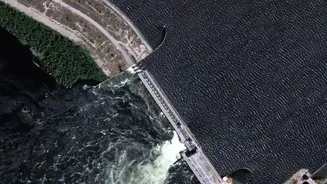
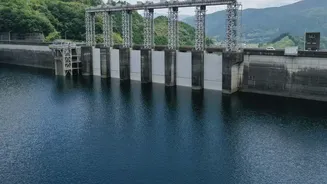
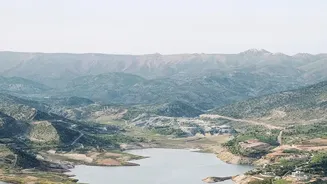
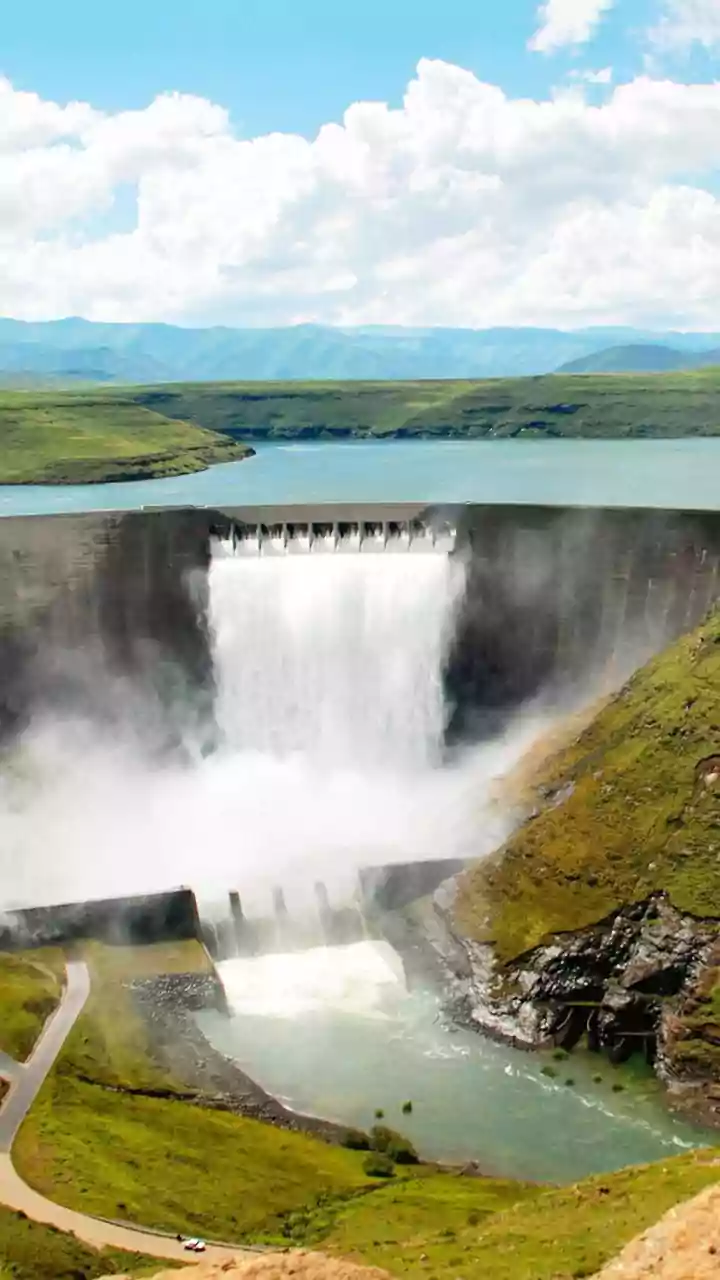
Iran has built at least 533 dams, a massive undertaking that has long intrigued water security experts. Many of these projects seemed to lack a clear civilian or economic justification. This long-standing puzzle has taken on a new urgency following recent
US and Israeli airstrikes on suspected Iranian military sites. Analysts, including Nima Shokri, a water security expert at Germany's Hamburg University of Technology, noticed a striking geographical overlap. The pattern of airstrikes on suspected missile facilities formed a semicircle from north to south that closely matched his map of Iran's dams. This has led to a compelling, though not yet proven, theory: that some of Iran's vast water infrastructure projects may have been developed, at least in part, to support its clandestine military ambitions.
The Strategic Logic of Location
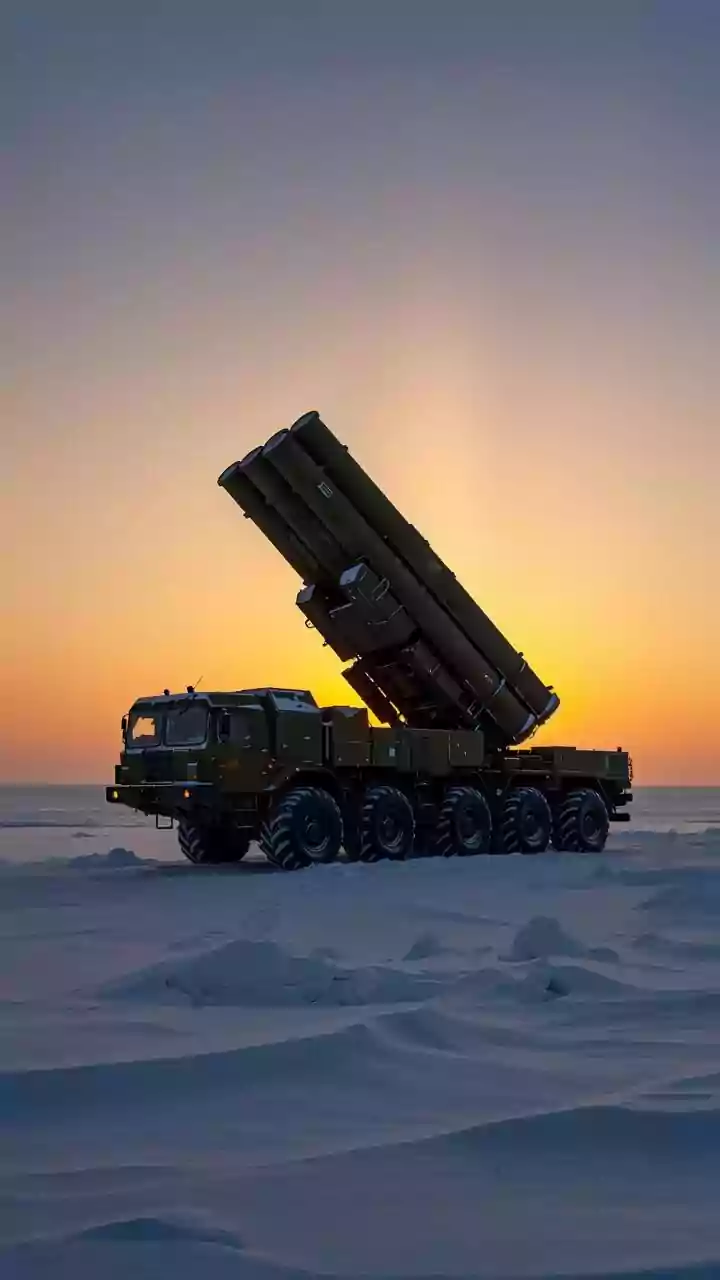
The hypothesis rests on sound strategic logic. Iran's military doctrine, shaped by decades of sanctions and the observation of modern air campaigns, relies heavily on survivability. To protect its most valuable assets from aerial bombardment, Iran has constructed a network of heavily fortified underground bases, often called 'missile cities'. These subterranean complexes are used to store, assemble, and launch ballistic missiles and drones. For these bases to function, especially during a conflict, they require a steady, independent supply of water and power for cooling, operations, and life support. Siting these massive military complexes near dams and their associated hydroelectric power generation would provide what one former Israeli military intelligence analyst called “operational continuity,” ensuring they are not dependent on the civilian national grid, which would be a vulnerable target in a war.
A Dangerous Hypothesis
While the logic is plausible, experts stress that the connection is speculative and remains unproven. The mountainous geography of Iran is suitable for both building dams and digging deep tunnels for military bases, meaning their proximity could simply be a coincidence. However, the implications of this theory are significant. The debate has sparked fury in Tehran, with officials condemning the narrative as an attempt to justify potential war crimes. Deliberately targeting civilian infrastructure like dams is prohibited under international humanitarian law. Critics of the theory argue that promoting such a narrative during an active conflict is dangerous, as it risks 'militarizing' civilian facilities in public perception and could be used to legitimize attacks that would have catastrophic consequences for millions of civilians who depend on these reservoirs for drinking water, irrigation, and power.
The Context of a Simmering War
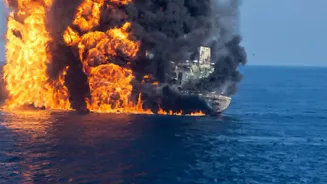
This discussion is not happening in a vacuum. It comes amid a volatile 'no war-no peace' environment between the US and Iran. Recent weeks have seen an uptick in tit-for-tat attacks, with Iran launching drones at US bases in Bahrain and Kuwait, and the US conducting 'self-defense' strikes on Iranian missile sites, including on the strategic Qeshm Island in the Strait of Hormuz. The US has also increased its naval presence in the region to its largest since the peak of previous hostilities. This tense backdrop gives the dam-missile base theory greater weight, as both sides assess the vulnerabilities and capabilities of the other. For Iran, ensuring its retaliatory missile capability can survive a first strike is a cornerstone of its deterrent strategy.
What It Means for the Region
The revelation, or even the suggestion, of such a dual-use strategy adds another layer of complexity to the security landscape of the Middle East. It forces regional and global powers to reconsider the nature of Iran's infrastructure projects and the potential hidden dimensions of its military posture. For a country like India, which has significant energy, trade, and diaspora interests in the Gulf, any factor that increases the risk of a wider conflict is a major concern. The stability of the entire region hinges on a delicate balance of power and deterrence. The possibility that essential civilian infrastructure could be intertwined with a secret military network complicates calculations for all parties, raising the stakes in an already fraught standoff and making the path to de-escalation even more challenging.