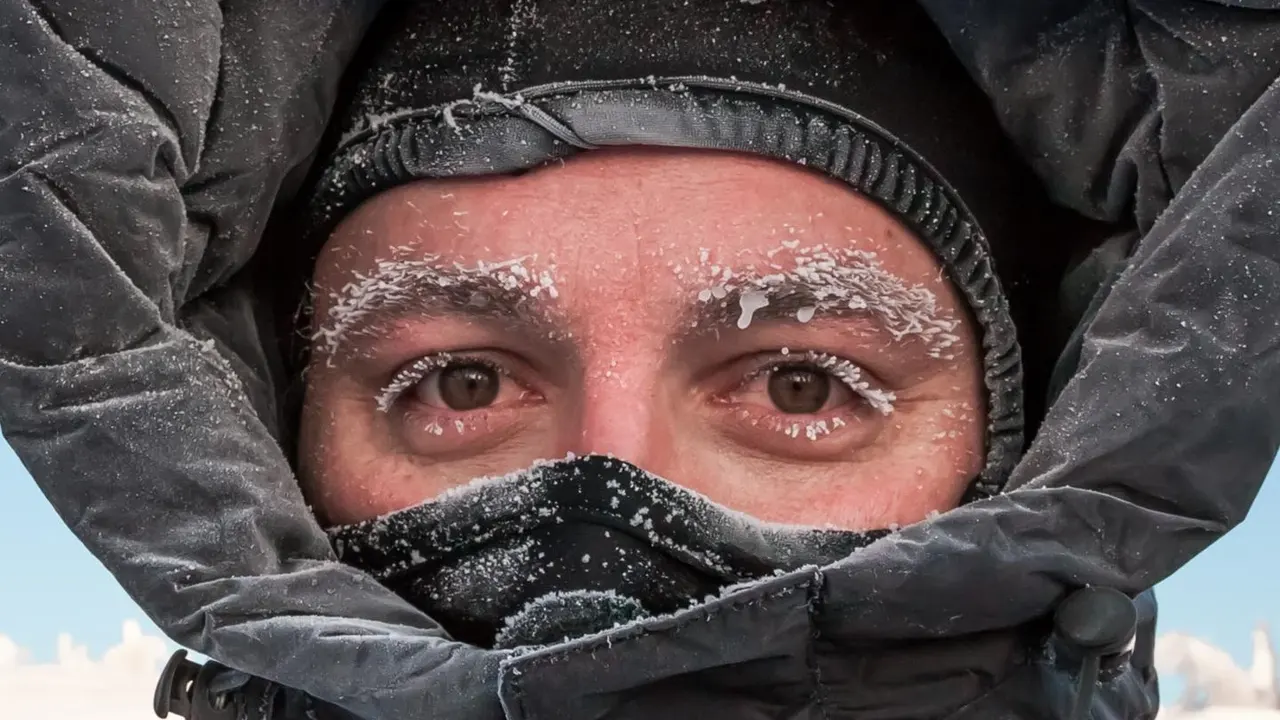







The Science of the Shock
When your body encounters cold water, it initiates a series of rapid physiological responses. This controlled stress, known as hormesis, is what unlocks the benefits. The immediate shock triggers the release of key neurotransmitters and hormones. One
of the most significant is norepinephrine, which can increase by 200-500%. This chemical is crucial for attention, focus, and mood. Think of it as your body's built-in system for high alert, instantly sharpening your senses and making you feel more awake. This surge of norepinephrine is a primary reason why a cold shower or plunge can cut through morning grogginess more effectively than a cup of coffee.
A Boost for Mood and Motivation
Beyond alertness, cold exposure also prompts a significant and prolonged release of dopamine. Often called the 'feel-good' molecule, dopamine is central to the brain's reward system, motivation, and feelings of pleasure. Studies have shown that cold water immersion can increase dopamine levels by up to 250%. This helps explain the sense of euphoria and elevated mood that many people report after a cold plunge. This natural mood boost can last for hours, providing a sustained feeling of well-being and enhanced focus for the tasks ahead.
Building Resilience to Stress
It may seem counterintuitive that adding a stressor like cold can help you manage overall stress, but that is precisely how it works. By voluntarily and regularly putting your body through this brief stress, you train your nervous system to become more resilient. Cold exposure helps regulate the autonomic nervous system, which has two main branches: the sympathetic ('fight-or-flight') and the parasympathetic ('rest-and-digest'). The initial shock activates the 'fight-or-flight' response, but as you control your breathing and adapt, the 'rest-and-digest' system kicks in to calm you down. This process involves stimulating the vagus nerve, a major component of the parasympathetic system. Activating the vagus nerve helps lower heart rate and promotes a state of calm. Over time, this practice improves your body's ability to switch back from a stressed state to a relaxed one more efficiently in everyday situations.
How to Get Started Safely
You don't need an expensive setup to begin. The benefits can be achieved through accessible methods. A simple way to start is by finishing your regular warm shower with 30 seconds of cold water. You can gradually increase the duration as you get more comfortable. Another easy technique is facial immersion; splashing cold water on your face or holding your face in a bowl of cold water can stimulate the vagus nerve and initiate a calming reflex known as the mammalian dive reflex. For those ready for more, a full immersion in a cold tub can be effective. A temperature range of 10-15°C is often cited for optimal benefits. Start with very brief exposures—even 30 seconds to two minutes is beneficial—and never plunge alone. The goal is to challenge your body, not punish it, so listening to its signals is crucial.