

Meet Your Green Roommates
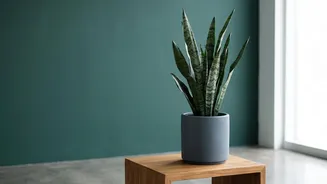
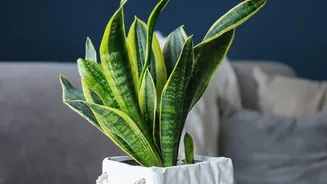
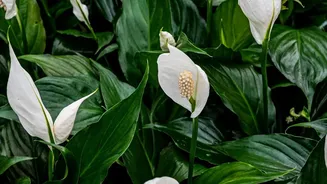
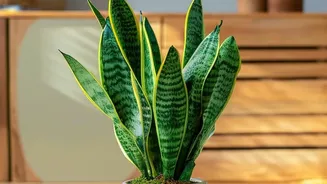
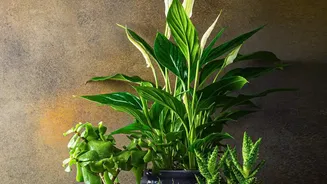
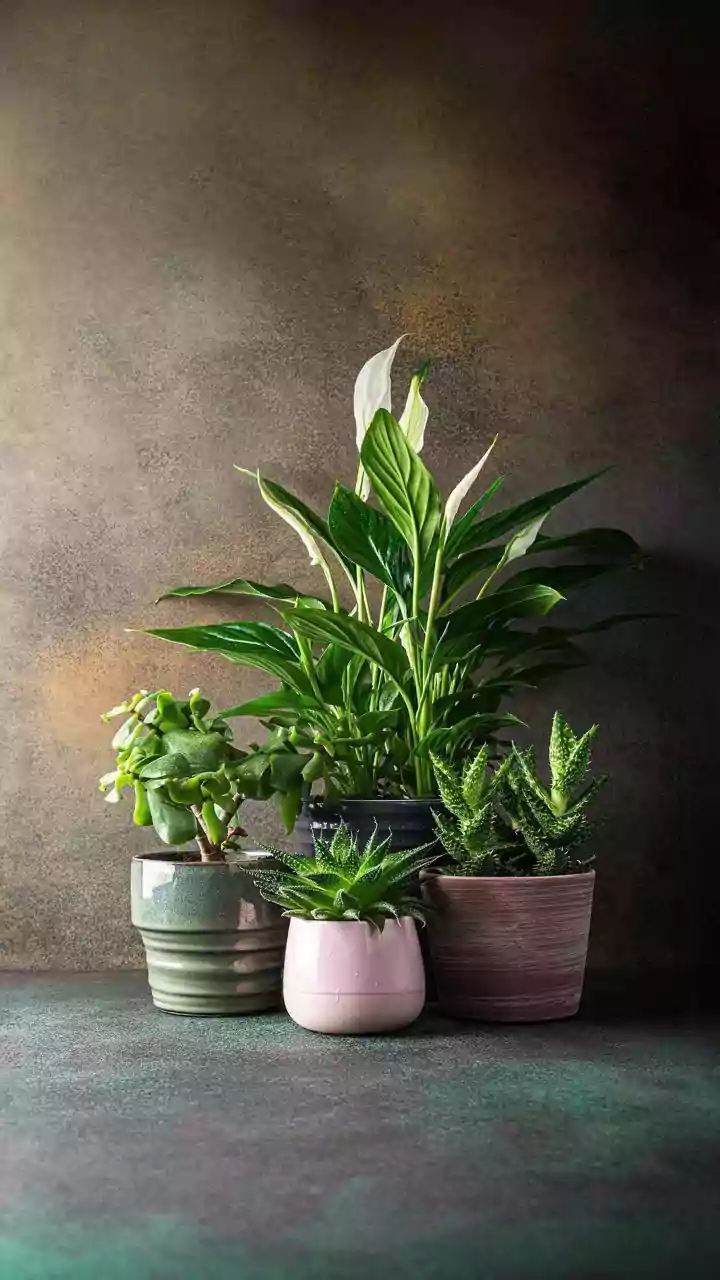
Before we get to arranging, let's get acquainted. The Snake Plant (Dracaena trifasciata), with its striking, sword-like leaves, is famously resilient. It tolerates low light and infrequent watering, making it perfect for busy people. The Peace Lily (Spathiphyllum),
on the other hand, offers lush, dark green leaves and elegant white blooms. It’s also relatively easy to care for but communicates its needs more openly, often drooping dramatically when it needs water. Both are popular choices in Indian homes for their beauty and adaptability to indoor conditions.
The Truth About Air Purification
The idea that these plants are air-purifying powerhouses comes from a famous 1989 NASA study, which found they could remove toxins like formaldehyde and benzene from sealed chambers. However, it's important to set realistic expectations. Subsequent research has shown that in a normal home with regular air circulation, you would need a very large number of plants to significantly clean the air—far more than a couple on a windowsill. While they do contribute to filtering the air, their biggest benefits are often aesthetic and psychological, helping to create a calming, natural environment that reduces stress. Think of their air-purifying ability as a small bonus, not their main job.
Arranging Your Snake Plant for a Better Bedroom
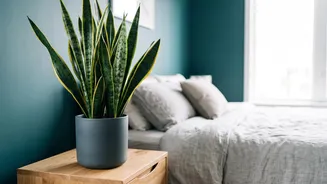
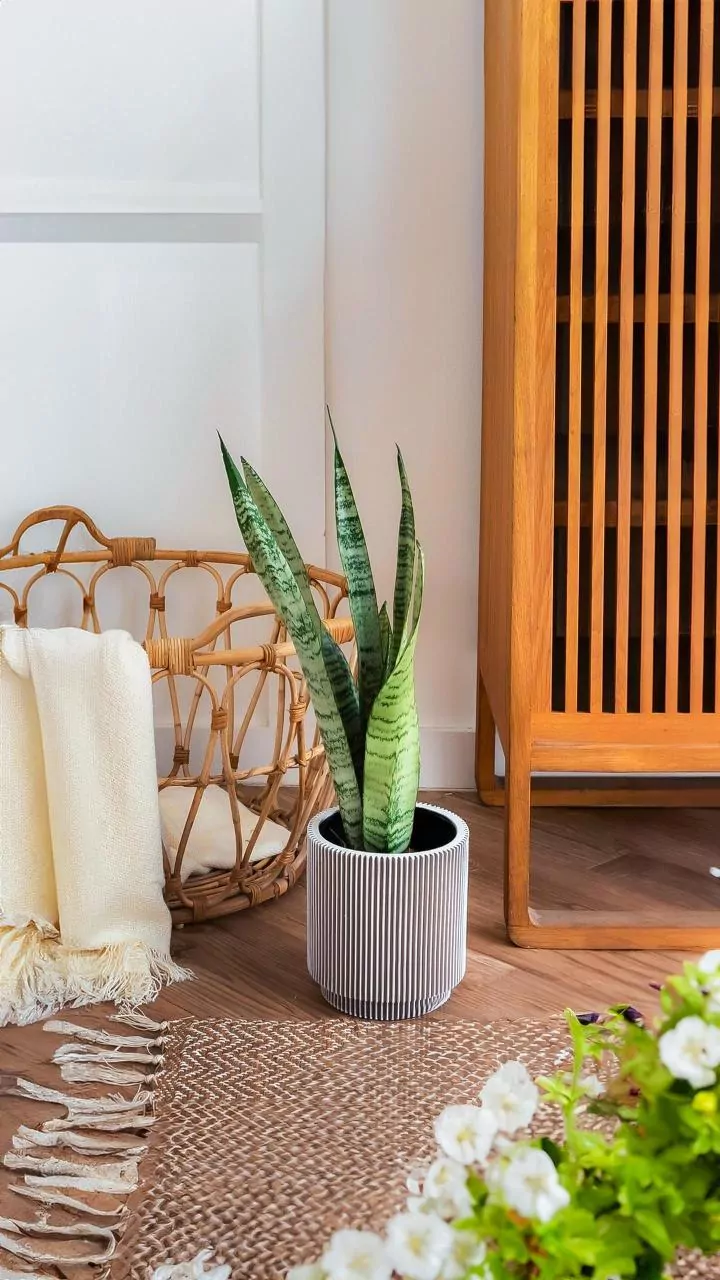
The Snake Plant is unique because it performs a type of photosynthesis called CAM, which allows it to release oxygen at night. This makes it an excellent companion for the bedroom. For placement, consider the plant's vertical growth. A taller variety, like the 'Laurentii', looks great in a floor planter placed in a corner of the room. This keeps it out of walkways while adding height and drama. Place it a few feet away from a window, as it thrives in bright, indirect light but can scorch in direct sun. Smaller 'Hahnii' or Bird's Nest varieties are compact enough for a dresser or a sturdy bedside table. For those who follow Vastu, placing a Snake Plant in the southeast corner is believed to attract positive energy and prosperity.
Finding the Perfect Spot for Your Peace Lily
The Peace Lily's placement is all about finding a balance of light. To encourage its beautiful white flowers to bloom, it needs consistent, bright, indirect light. An ideal spot is near an east-facing window, where it can receive gentle morning sun. If placed in a darker part of the room, it will likely survive but will produce few to no flowers, focusing its energy on leaf growth instead. Avoid direct, harsh sunlight, which will burn its leaves. In a small bedroom, a great location is on a dresser, shelf, or a plant stand a few feet back from a south or west-facing window, where the light is filtered. Bathrooms with frosted windows are also great spots due to the high humidity.
Creating a Plant-Friendly Zone
To maximise the benefits of your plants, consider grouping them together. Placing the Snake Plant and Peace Lily relatively close can create a small 'microclimate'. The Peace Lily in particular enjoys higher humidity, and grouping plants can help maintain a more humid pocket of air around them. This arrangement also creates a stronger visual impact, turning a simple corner into a lush, green focal point. Clustering your plants concentrates any air-filtering effects, however modest, into one area. Just ensure each plant still has enough space for air to circulate around its leaves to prevent any potential issues with pests or fungus.
Care Tips for Indian Homes
Both plants are low-maintenance, but adapting their care to the Indian climate is key. For the Snake Plant, overwatering is the biggest risk. Allow the soil to dry out completely between waterings—this could mean watering every 2-3 weeks in summer and even less during the monsoon when humidity is high. The Peace Lily prefers its soil to be consistently moist but not waterlogged. Water it when the top inch of soil feels dry. Both plants should be kept away from direct AC vents or cold drafts. Dusting their leaves with a damp cloth every few weeks will not only keep them looking fresh but also helps them photosynthesize and purify air more effectively.
Important Note on Safety
While these plants are wonderful additions to the home, it's crucial to know that both Snake Plants and Peace Lilies are mildly toxic to humans and pets if ingested. They contain compounds that can cause mouth irritation, stomach upset, and vomiting. If you have curious toddlers or pets who like to chew on things, it is essential to place these plants well out of their reach. Elevated shelves, high plant stands, or hanging planters are excellent solutions to enjoy their beauty safely.