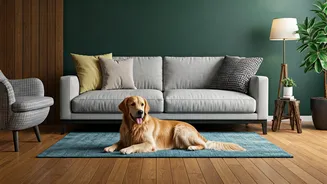






What is Fur-Friendly Design?
This isn't just about choosing a couch that hides fur. Fur-friendly, or pet-centric, design is a holistic approach to creating a home that’s safe, comfortable, and stimulating for your animal companions without sacrificing style. It means moving beyond
simply pet-proofing your space and, instead, thoughtfully integrating your pet's needs into your home's aesthetic. It's about recognising that pets are family and designing a shared environment where everyone can thrive. This includes everything from durable materials that withstand claws and messes to creating dedicated zones that give pets a sense of security and belonging.
The Right Foundation: Floors and Fabrics
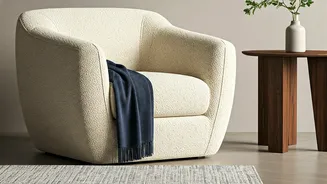
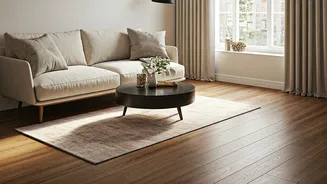
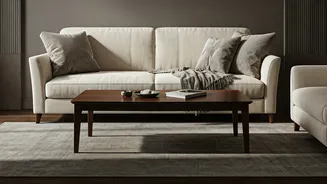
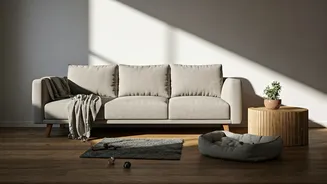
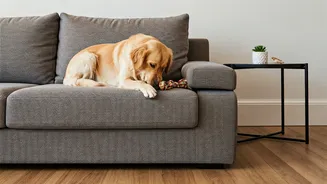
The biggest battles for pet owners are often fought on the floors and furniture. The key is choosing materials that are durable and easy to clean. For flooring, hard surfaces like luxury vinyl plank (LVP), tile, or sealed concrete are excellent choices because they resist scratches and don't trap dander. When it comes to fabrics, look for tightly woven materials. Microfiber is a popular and affordable choice as its tight weave resists both scratches and stains. Performance fabrics like Crypton or Sunbrella, once reserved for outdoor use, are now go-to options indoors for their incredible durability and resistance to moisture and odours. While it may seem counterintuitive, high-quality leather can also be a great option as it’s easy to wipe clean and develops a patina that can hide minor scratches over time.
Furniture That Functions for Everyone
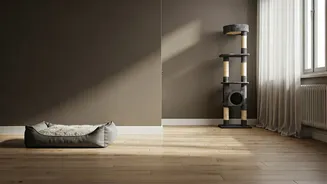
Today's designers are creating furniture that serves both humans and pets. Think of dog crates that double as stylish end tables or entryway consoles with a hidden nook for a litter box. This trend of multipurpose furniture helps to reduce clutter and seamlessly integrates pet necessities into your decor. Built-in solutions are also gaining popularity. A cosy nook under the stairs can become a perfect dog den, while a recessed feeding station in the kitchen cabinetry keeps bowls off the floor and out of the way. For cats, who naturally seek high places, incorporating vertical space like wall-mounted shelves or perches can provide enrichment and a safe retreat.
Creating Designated Pet Zones
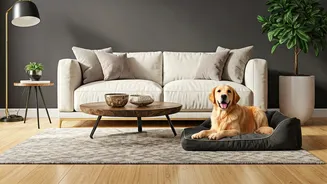
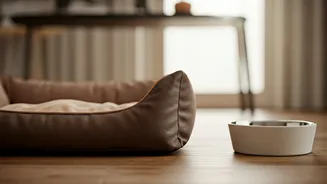
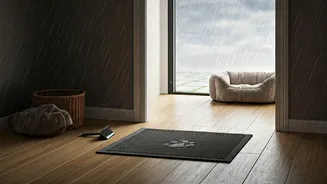
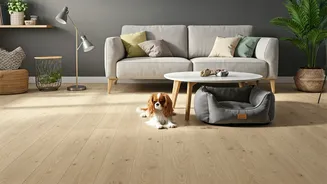
Just like humans, pets appreciate having a space of their own. Creating a dedicated pet zone can help keep their accessories organised and give them a sense of security. This doesn't have to be an entire room; a quiet corner in the living room or a low-traffic area can work perfectly. The zone should ideally have distinct areas for resting, eating, and playing. A comfortable bed with a washable cover is a must. Stylish storage, such as woven baskets or lidded bins, can be used to keep toys and grooming supplies tidy yet accessible. By consolidating these items, you maintain order in the rest of your home while making your pet feel like a valued member of the household.
Safety, Health, and Stylish Details
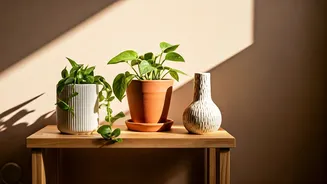
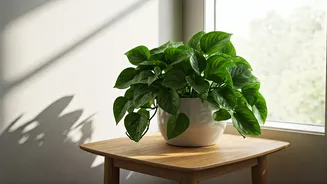
A truly fur-friendly home is also a safe one. This means being mindful of potential hazards. Secure loose electrical cords, choose furniture with rounded edges, and ensure any houseplants are non-toxic to cats and dogs—good options include spider plants, Boston ferns, and areca palms. When painting or refinishing furniture, opt for non-toxic, low-VOC (Volatile Organic Compounds) products. Even your pet's bowls and toys should be considered; stainless steel, glass, or ceramic bowls are more hygienic than plastic, which can harbour bacteria. Finally, embrace the aesthetic! Many brands now offer chic pet accessories, from ceramic water bowls to minimalist beds, that can act as decor pieces in their own right.