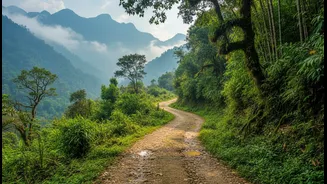









Beyond the Postcard View
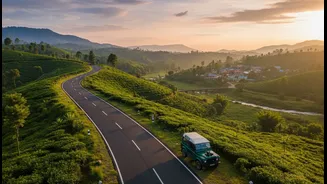
A trip to India’s North-East is no longer just about witnessing its scenic beauty from a distance. A new kind of tourism is taking hold, one that prioritizes immersion over observation. Travellers are increasingly seeking genuine connections with the
places they visit, and the region is responding with opportunities that go to the heart of its culture. This evolving landscape is driven by community-based initiatives that focus on sustainable practices and authentic interactions. Instead of just seeing the sights, visitors are invited to experience the soul of the region by staying in homes, sharing meals, and learning from the communities that call these stunning landscapes home.
The Rise of Community-Led Stays
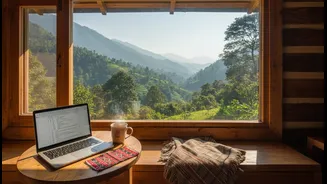
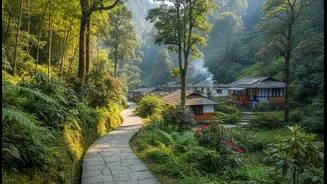
At the forefront of this change are nature lodges and homestays, often built with traditional materials like bamboo and managed by local families. States like Meghalaya and Assam are actively promoting this model, empowering residents and preserving the environment by avoiding large-scale hotel construction. These stays offer more than just a bed for the night; they are gateways to the local way of life. Imagine waking up in a cottage overlooking a kiwi orchard in Dirang, staying in a bamboo hut on the world's largest river island, Majuli, or lodging in a village where you can hear the clatter of a traditional loom. This approach ensures that tourism revenue directly benefits the host communities, fostering a sense of pride and creating a sustainable economic model.
A Seat at the Local Table
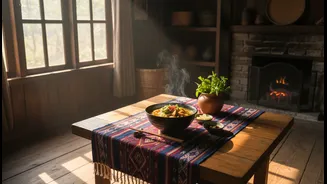
Parallel to the growth of intimate lodging is a blossoming appreciation for the region's diverse and flavourful cuisine. North-Eastern food, often misunderstood or reduced to a few common dishes, is stepping into the spotlight. The cuisine is incredibly varied, characterized by the use of fresh, locally sourced ingredients, minimal spices, and unique cooking methods like smoking and fermenting. In Assam, you might savour a tangy fish curry called Masor Tenga, while in Nagaland, the smoked pork with fermented soybean (axone) offers a taste of ancestral traditions. Meghalaya’s Jadoh, a flavourful rice and pork dish, and the simple, herb-infused boiled preparations found across the states provide a culinary journey that is as diverse as the region's many tribes. These meals are often prepared in homestays, allowing travellers to learn about the ingredients and cooking techniques firsthand.
An Invitation to Connect
This shift towards experiential travel is fundamentally changing why and how people visit the North-East. It's an invitation to slow down and engage on a more meaningful level. This model of tourism champions sustainability, not just environmentally but culturally. By staying in a homestay, you are supporting a family directly. By eating a traditional meal, you are helping to keep culinary heritage alive. Tour operators and state governments are increasingly recognizing this potential, developing policies and initiatives that support community-led tourism. Meghalaya, for instance, aims to add thousands of new homestays by 2028, creating jobs and ensuring that the economic benefits of tourism are distributed across rural areas.