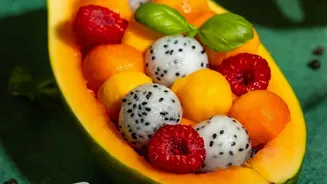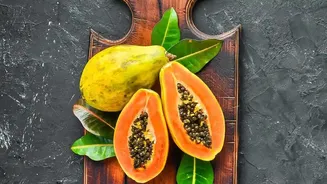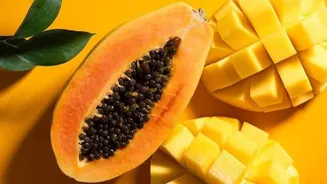


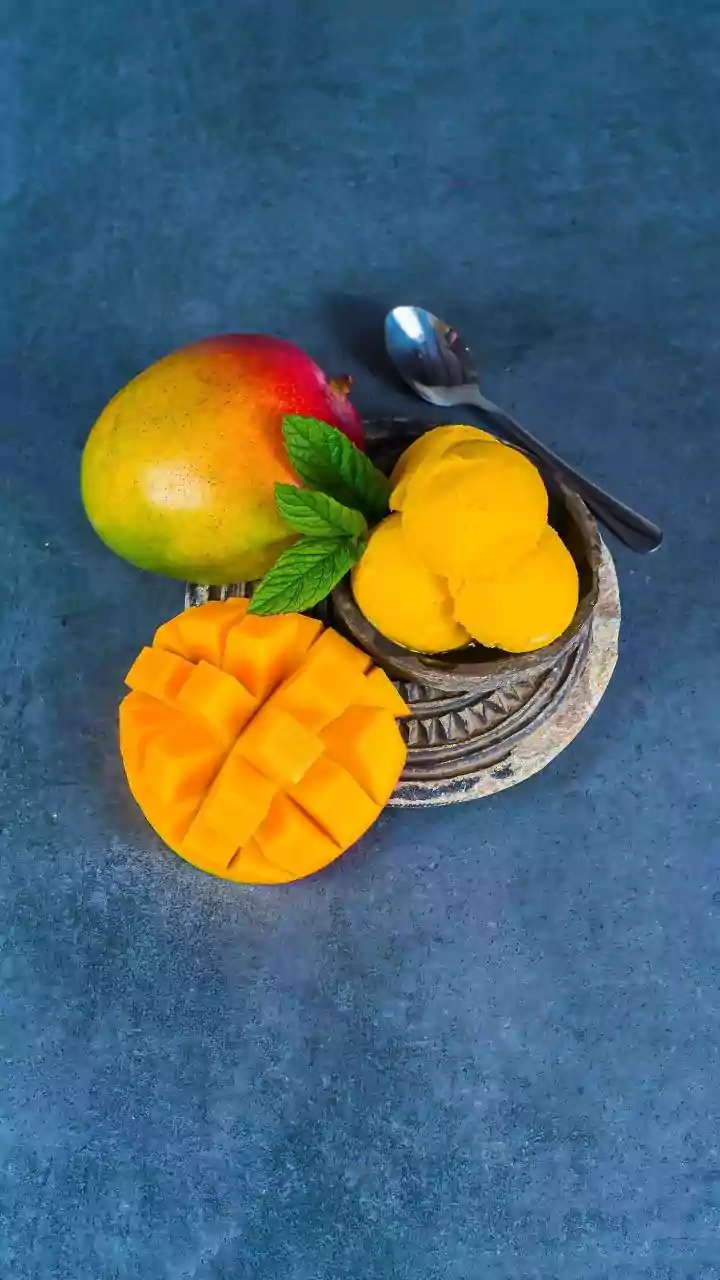


Mango and papaya are two of India's most beloved fruits, each gracing our tables with sweet, tropical flavour. But when it comes to nutrition, which one is the healthier choice? Let's break down the battle of the fruits, one vitamin at a time.
The Vitamin C Showdown
When it
comes to boosting your immunity, Vitamin C is a crucial nutrient, and both fruits are excellent sources. However, papaya is the clear winner in this category. A 100-gram serving of papaya delivers around 61 mg of Vitamin C, which is a significant portion of your daily requirement. In comparison, the same amount of mango provides about 36 mg. While mango is still a very good source, if your main goal is to maximise your Vitamin C intake to fight off infections and improve skin health, papaya has a distinct advantage.
A Battle for Vitamin A
The tables turn when we look at Vitamin A, a nutrient vital for vision, skin health, and immune function. Mango is the champion here, largely thanks to its high content of beta-carotene, the compound that gives the fruit its beautiful golden-orange hue. A 100-gram serving of mango contains significantly more Vitamin A (and its precursor, beta-carotene) than papaya does. While both fruits contribute to your daily intake, mango is the superior choice if you are focusing on eye health and radiant skin.
Fibre for Digestive Wellness
Good digestion relies on adequate dietary fibre, and in this regard, both mango and papaya are nearly tied. A 100-gram serving of either fruit provides a similar amount of fibre, roughly 1.6 to 1.7 grams. This fibre aids in maintaining regular bowel movements and can help you feel full for longer. However, papaya has a secret weapon: an enzyme called papain. This unique compound helps break down proteins, which can aid digestion, particularly after a heavy meal. So, while both are good for gut health, papaya offers that extra digestive boost.
Calories and Sugar Content
For those watching their weight or managing their sugar intake, the numbers are important. Papaya is the lighter option of the two. A 100nd gram serving of papaya contains approximately 43 calories and about 8 grams of sugar. Mango is more energyndense, with the same portion size containing around 60 calories and nearly 14 grams of sugar. This makes papaya a more suitable choice for lowndcalorie or lowndsugar diets. Mango's natural sweetness is more concentrated, making it a richer treat.
Other Key Nutrients
Beyond the headline vitamins, both fruits offer a range of other essential nutrients. Mango generally provides more Vitamin E, Vitamin K, and folate, which is particularly important for cell growth and during pregnancy. On the other hand, papaya holds a slight edge in potassium, a mineral that helps regulate blood pressure, and calcium. Both contain valuable antioxidants that help protect your body's cells from damage.