



The 'Dum' Pukht Method of Awadh
Originating in the royal kitchens of Awadh (modern-day Lucknow), 'dum pukht' is the art of slow-cooking in a sealed, heavy-bottomed pot. Food is cooked in its own juices and steam, allowing the ingredients to marinate deeply and the flavours to become
incredibly intense and aromatic. Traditionally, the pot's lid was sealed with dough to trap every bit of steam. This ancient technique is perfect for modern festive showstoppers. Imagine a biryani where every grain of rice is fragrant and separate, or a meat korma so tender it melts in your mouth. You can replicate this at home by using a Dutch oven or a heavy casserole dish with a tight-fitting lid, cooking on the lowest possible heat. This method transforms a simple dish into a luxurious experience, infusing it with a depth of flavour that faster cooking methods simply cannot achieve.
The Tempering Art of 'Tadka' Across India
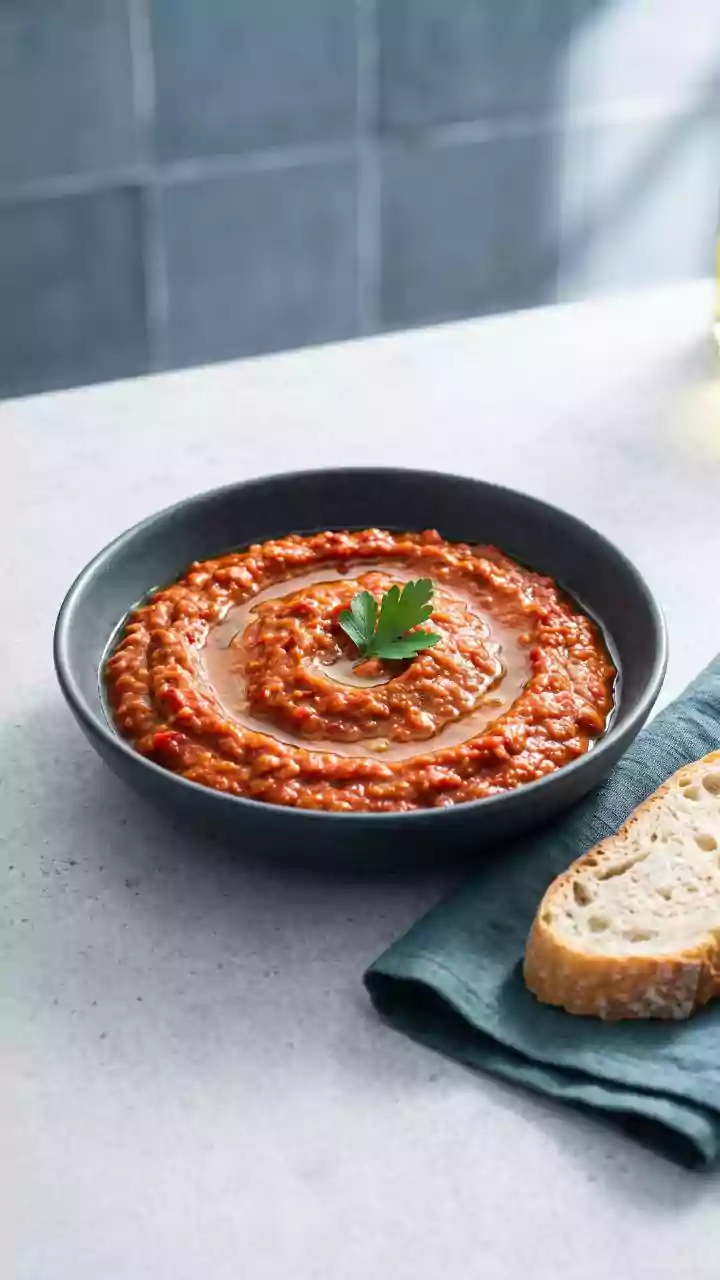
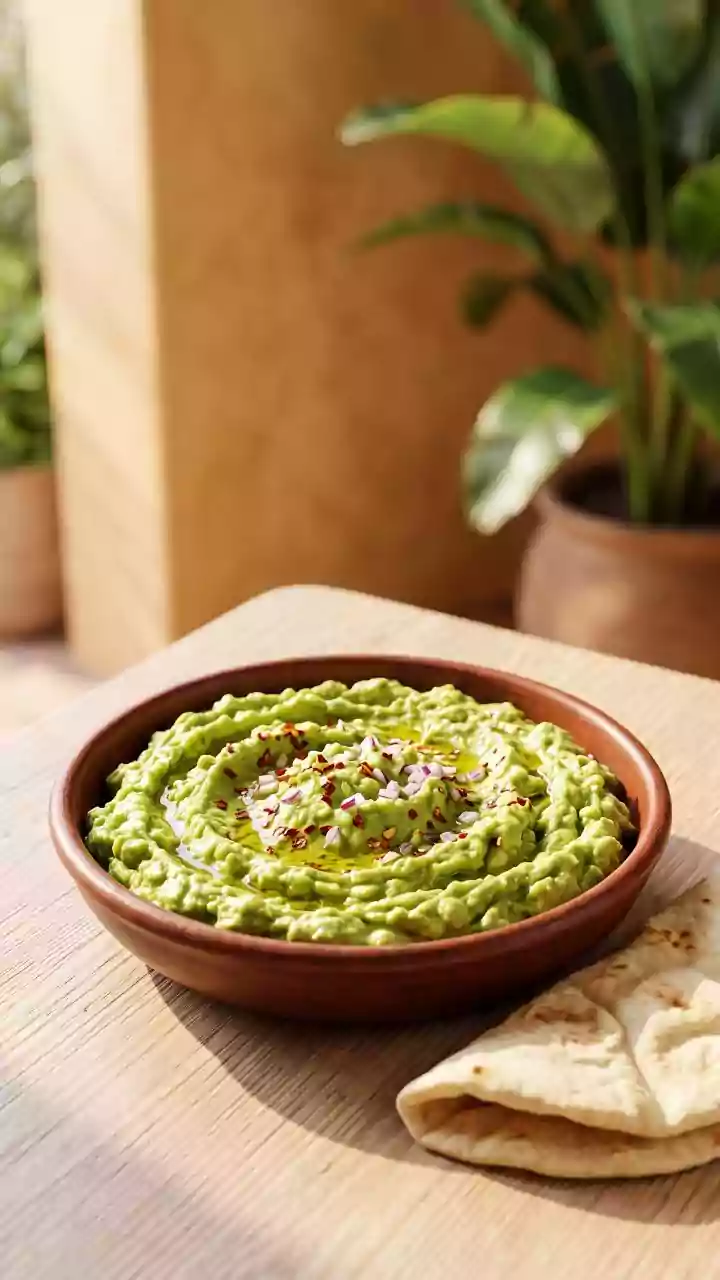
Known as 'tadka', 'chownk', or 'bagar' in various regions, tempering is a foundational technique across India. It involves frying whole or ground spices in hot oil or ghee to release their essential oils and potent aromas before adding them to a dish. While it seems simple, tadka is an art form. The modern application lies in its versatility. Beyond the usual dal, a flavourful tadka can elevate almost any festive dish. Try a tadka of mustard seeds, curry leaves, and asafoetida over roasted vegetables like Brussels sprouts or potatoes for a South Indian twist. A finishing drizzle of cumin and Kashmiri chilli sizzled in ghee can transform a plain bowl of soup or a modern dip like hummus, giving it a distinctly Indian festive character. It’s a quick, two-minute step that adds a complex layer of flavour and a professional finish.
Rajasthan's Slow-Cooked Resilience
The arid landscape of Rajasthan gave birth to cooking methods designed for resourcefulness and flavour preservation. Many dishes involve slow-cooking over a low flame, often using dung cakes for a consistent, gentle heat. One chef is reviving dishes like a 'gosht aur bajre ki tehri', where millet and meat are slow-cooked for hours until they meld into a mellow, flavourful dish. Another example is 'pithod', featuring gram flour cakes simmered in hand-pounded masalas. For modern festive cooking, this principle of slow-simmering lentils or hearty vegetables in a rich, spiced gravy unlocks incredible flavour without constant attention. Using a slow cooker or a heavy-bottomed pan on low heat mimics this effect, creating dishes like dal makhani or a Rajasthani gatte ki sabzi that taste like they have been simmering lovingly all day long.
The Fermentation Science of the South
South Indian cuisine has long mastered the science of fermentation, a technique now celebrated globally for its health benefits and complex, sour flavours. While we all know and love dosas and idlis, the principle can be applied more widely in festive cooking. The natural fermentation of rice and lentils not only makes batter light and airy but also adds a distinct tangy note. This idea can be used to create innovative festive appetisers. Think of savoury, pan-fried cakes made from a fermented batter of different millets and grains, served with contemporary toppings. Or use the technique to create a base for modern canapés. It’s a way to introduce a naturally tangy, umami flavour profile into your menu that is both traditional and surprisingly modern.
Maharashtra's Homestyle Dumplings
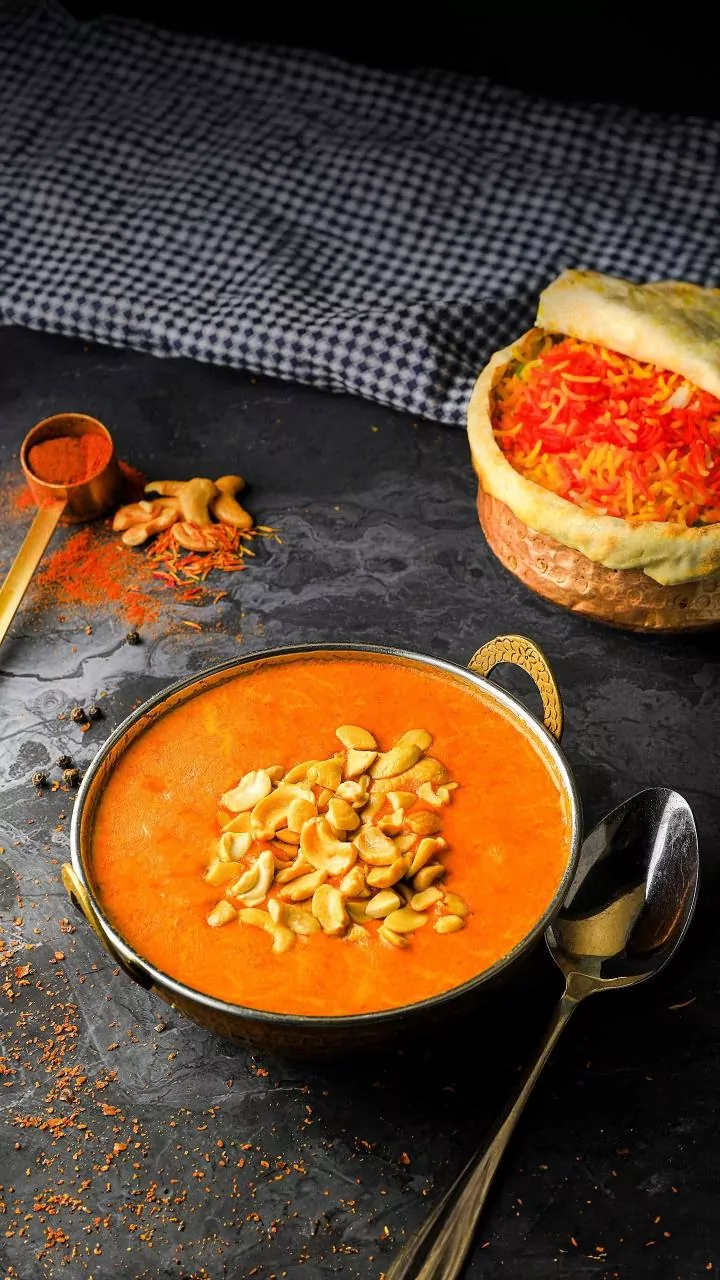
From rural Maharashtra comes 'Shengole', a comforting dish of spiced dough rings made from a blend of jowar (sorghum) and besan (gram flour), which are then simmered in a flavourful curry. This one-pot meal showcases the rustic genius of combining the main carb and the gravy together. For a festive gathering, this concept can be adapted into a chic, 'Indian-style gnocchi'. Imagine creating small, delicate dumplings from millet or wheat flour, spiced with carom seeds and garlic, and then gently poaching them in a rich, festive gravy like a tomato-based makhani or a creamy cashew korma. It offers a unique texture and serves as a hearty, satisfying dish that feels both novel and deeply traditional. It's a wonderful way to celebrate indigenous grains in a format that feels new and exciting for guests.