
A Treasure Map for the Moon
For decades, scientists suspected that water, in the form of ice, was hidden in the darkest, coldest craters of the Moon. Now, thanks to increasingly sophisticated data, we have what amounts to a treasure map. Various space agencies, leveraging data from
orbiters like NASA's Lunar Reconnaissance Orbiter and building on pioneering discoveries by missions like India's Chandrayaan-1, have compiled the most detailed maps of lunar water ice to date. These maps focus on the permanently shadowed regions near the lunar poles, areas that haven't seen sunlight in billions of years and are cold enough to preserve ice. These new resources provide unprecedented detail, moving beyond confirmation of water's existence to pinpointing specific locations with the highest concentrations, giving future missions, like NASA's VIPER rover, precise targets to explore.
Why Water Is the Moon's Most Valuable Resource
Finding water on the Moon is not just about giving astronauts something to drink. Its true value lies in its versatility. Water (H2O) is a fundamental resource for long-term human presence, essential for life support and growing food. More importantly, it is a key ingredient for rocket fuel. Through a process called electrolysis, electricity (generated by solar panels) can split water molecules into their constituent parts: hydrogen and oxygen. When cryogenically cooled into liquids, these two elements form a powerful rocket propellant. The ability to manufacture fuel on the Moon, a concept known as in-situ resource utilization (ISRU), is a game-changer. It means future missions could refuel on the Moon instead of carrying all their fuel from Earth.
The Business of Building a Lunar Gas Station
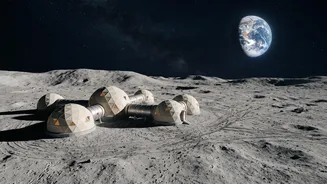
The cost of launching anything from Earth is immense, with estimates ranging from thousands to tens of thousands of dollars per kilogram. Water is heavy, and launching enough of it for long-duration missions and return journeys is prohibitively expensive. Establishing a lunar outpost that can harvest and process water ice into propellant would effectively create a refuelling station in space. This would dramatically lower the cost and complexity of not just returning to Earth, but also of venturing further into the solar system, such as to Mars. This economic shift is the driving force behind the headline's 'refuelling outpost' concept. It transforms the Moon from a destination into a critical piece of infrastructure for a sustainable, multi-planetary human presence.
The Challenges Ahead
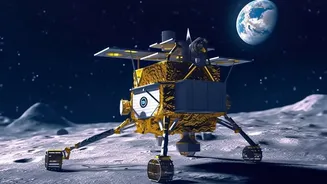
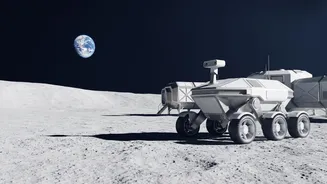
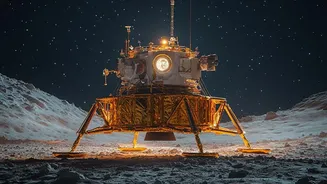
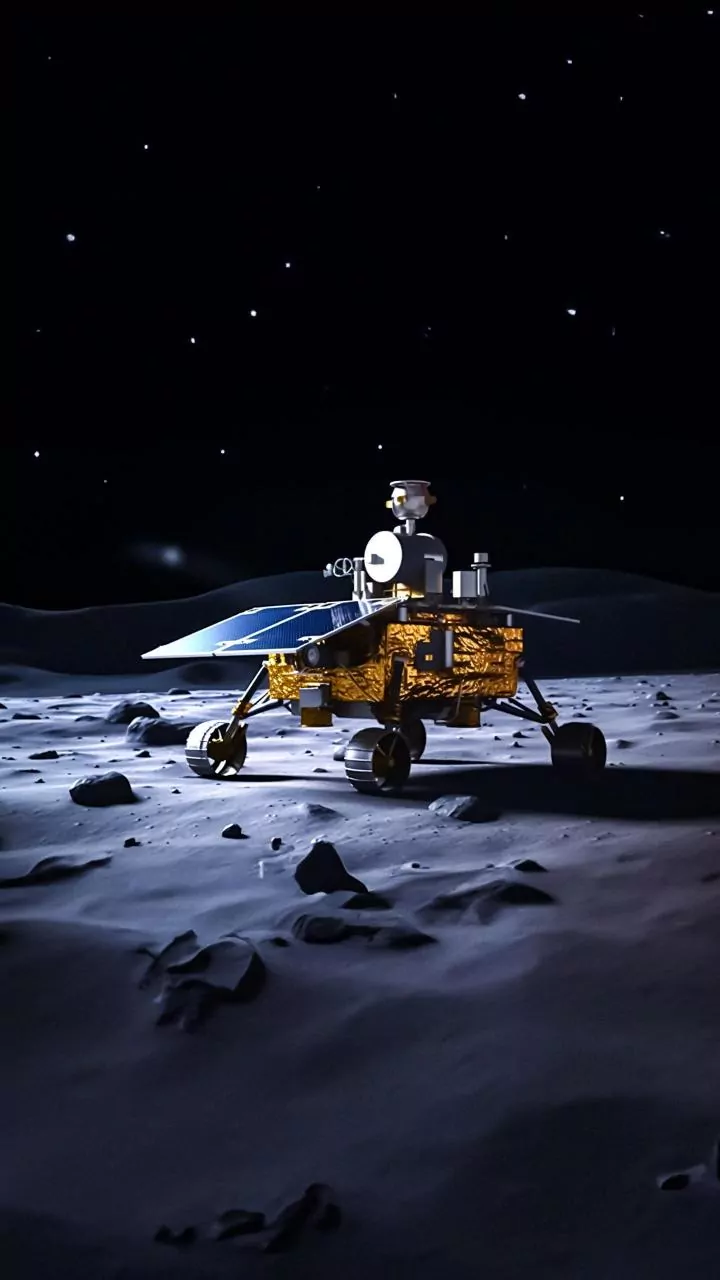
While the new maps are a giant leap forward, significant hurdles remain. The water ice is not a frozen lake but is mixed in with lunar soil (regolith) in some of the coldest places in the solar system, with temperatures dropping below -240 degrees Celsius. Robotic missions will need to be designed to operate in these extreme environments, excavate the frozen regolith, and heat it to extract the water vapor. Developing this technology, from autonomous rovers to processing plants that can withstand the harsh lunar environment, is the next major challenge for space agencies and private companies. Missions like NASA's Artemis program are designed to tackle exactly these problems, testing the technologies needed to turn these mapped resources into usable assets.
India's Foundational Role
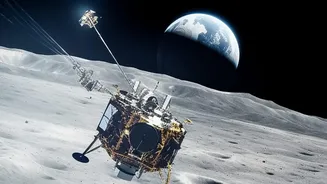
It is impossible to discuss lunar water without acknowledging the pivotal role of the Indian Space Research Organisation (ISRO). India's Chandrayaan-1 mission, launched in 2008, carried a NASA instrument called the Moon Mineralogy Mapper (M3) which provided the first definitive, widespread confirmation of water molecules on the lunar surface. Another instrument on board, the Mini-SAR, found evidence of thick ice deposits in more than 40 polar craters. These path-breaking discoveries shifted the scientific consensus and laid the groundwork for the detailed mapping efforts we see today. More recent missions like Chandrayaan-2 and Chandrayaan-3 continue to add valuable data, searching for subsurface ice and analyzing the lunar environment, cementing India's status as a key player in the quest for lunar resources.