




A New Traveller's Compass
A fundamental shift is underway in what Indian and international tourists are seeking. The post-pandemic era has amplified a collective desire for open spaces, meaningful experiences, and a deeper connection with nature. This isn't just about escaping
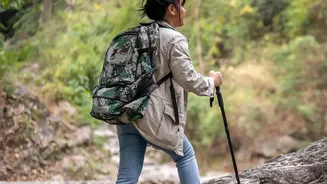
the city; it's a search for authenticity. Travellers are increasingly driven by a desire for a 'digital detox' and sustainable travel options that offer more than just a photo opportunity. This has led to a surge in demand for experiences that feel personal and immersive, from staying in a village homestay to tracking wildlife in a little-known sanctuary. Reports show that this demand is not just a fleeting trend, with the eco-tourism market in India projected for significant growth, expected to reach a market size of USD 4.55 billion by 2027.
Beyond the Tiger Trail
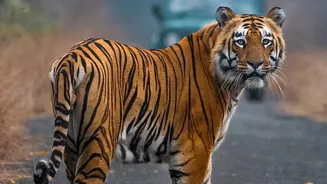
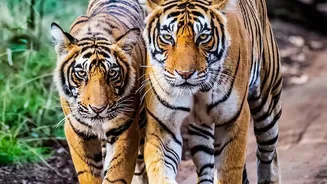
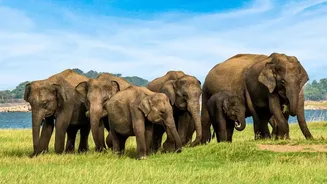
While iconic national parks like Ranthambore, Jim Corbett, and Kanha continue to be major draws, the definition of a wildlife holiday is expanding. Travellers are now venturing to emerging hotspots that offer unique ecological encounters. Lesser-known reserves such as Pilibhit in Uttar Pradesh and Tadoba in Maharashtra are gaining popularity for their high tiger densities and less crowded safari experiences. In Madhya Pradesh, the Sanjay Dubri National Park is being positioned as a promising destination for its dense forests and thriving tiger population. The focus is also moving beyond just tigers. Ladakh is set to launch India's first high-altitude wildlife safari, focusing on the elusive snow leopard and creating sustainable livelihoods for local communities. Destinations like Jawai in Rajasthan offer a unique chance to see leopards coexisting with human settlements, while Nagarhole in Karnataka is celebrated for its large elephant herds and boat safaris.
The Rising Allure of Rural Life
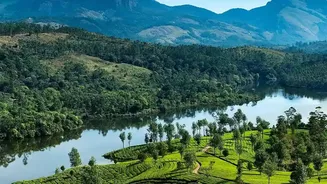
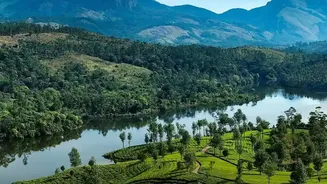
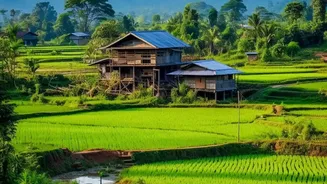
Rural tourism is fast becoming a cornerstone of India's new travel identity. This goes beyond simple village tours, evolving into a diverse offering that includes farm stays, craft workshops, and culinary journeys that highlight local traditions. States like Kerala have pioneered this with their 'Responsible Tourism Mission', which directly involves local communities through homestays and cooperatives, ensuring that tourism revenue benefits the residents. Similarly, Sikkim, India's first fully organic state, provides a truly sustainable experience where visitors can enjoy food and lodging free from synthetic pesticides. These initiatives are about creating an economic model where travellers get an authentic cultural exchange, and rural communities find new avenues for income and empowerment, preserving their heritage in the process.
A Coordinated Push for Change
This transformation is being supported by a concerted effort from both government bodies and private enterprises. The Indian Ministry of Tourism has formulated a National Strategy for the Development of Rural Tourism, launching schemes like 'Swadesh Darshan 2.0' and 'Paryatan Mitra' to develop infrastructure and skills in rural areas. Financial assistance for setting up homestays, especially in tribal regions, is a key part of this strategy. State governments are also actively participating. Uttar Pradesh has identified over 200 villages to be developed as tourism hubs, while Chhattisgarh recently launched an award to recognise contributions to rural tourism. Simultaneously, the private sector is stepping up, with major hospitality brands like ITC Hotels opening boutique retreats in emerging wildlife destinations like Sanjay Dubri, catering to the demand for curated, nature-centric experiences.