




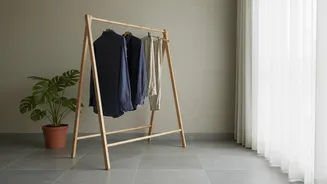


Choose Your Drying Zone Wisely
The first step is to designate a specific area in your home for drying clothes. This shouldn't be an afterthought. The ideal spot has good ventilation and enough space to allow air to circulate freely. A covered balcony, a utility room, or even a spare
corner of a larger room can work. Avoid drying clothes in bedrooms or main living areas where you spend a lot of time, as this can significantly increase indoor humidity and potentially lead to mould growth on walls and furniture. When choosing your zone, consider cross-ventilation. A room with a window that can be opened slightly, even during a lull in the rain, is a huge advantage. Proximity to the washing machine is another practical consideration to avoid dripping water all over the house. The goal is to contain the laundry process in one manageable, well-ventilated space.
Invest in the Right Equipment
Your success hinges on the right tools. A sturdy, rust-resistant drying rack is non-negotiable. For most Indian homes, a floor-standing winged rack made of stainless steel is a versatile choice as it can hold a full load and be moved around. If floor space is a luxury, consider vertical solutions. Wall-mounted folding racks are excellent for small balconies and bathrooms, while ceiling-mounted pulley systems lift clothes up and out of the way, freeing up the floor entirely. Before buying, assess how much laundry you do. Ensure the rack has enough rails to hang clothes with space in between; overcrowding is a primary cause of slow drying and musty smells. An extra spin cycle in the washing machine can also make a huge difference by removing excess water before you even hang the clothes.
Master Air Circulation
Moisture's biggest enemy is moving air. Simply hanging clothes is not enough; you need to actively encourage airflow. Place your drying rack under a ceiling fan and keep it running at a medium speed. If you don't have a ceiling fan in your chosen zone, a portable pedestal fan aimed at the rack will also work wonders to speed up evaporation. Good ventilation is key to preventing the build-up of damp air. If possible, open a window slightly to let the moisture escape. Using an exhaust fan in a nearby bathroom or kitchen can also help pull humid air out of your home, creating a drier environment for your clothes. The strategy is simple: keep the air moving around each garment.
Actively Battle High Humidity
During the monsoon, the air is already saturated with moisture, which is why clothes take so long to dry. An electric dehumidifier is the most effective tool to combat this. It works by pulling moisture directly from the air, creating a less humid micro-environment that allows clothes to dry much faster and prevents mould. For best results, use the dehumidifier in a small, closed room with the laundry. If a dehumidifier isn't in your budget, there are other options. Natural moisture absorbers like silica gel packs, activated charcoal bags, or even bowls of baking soda or unrefined salt can be placed near the drying rack to help absorb some of the excess moisture from the immediate vicinity. While less powerful than a dehumidifier, they can certainly help in smaller, enclosed spaces.
Prevent Odours Before They Start
The dreaded musty smell occurs when bacteria grow on fabric that stays damp for too long. The key is to get clothes dry as quickly as possible. Aside from ensuring good airflow, avoid leaving wet clothes in the washing machine for hours. Hang them up immediately after the cycle finishes. Washing smaller loads more frequently is often more manageable than one huge load that overwhelms your drying space. Using hangers for shirts and kurtas can also help them dry faster and maintain their shape. For an extra line of defence, some people find that adding a small amount of white vinegar to the rinse cycle helps neutralise odours before they can set in. Finally, ensure clothes are completely bone-dry before folding them and putting them away in a cupboard, where any remaining dampness can cause mildew.