
The Millet Renaissance
Across India, a quiet food revolution is taking place, returning ancient grains to the centre of the plate. Millets, long overshadowed by wheat and rice, are making a major comeback. This revival is driven by a growing awareness of their incredible health
benefits. Packed with dietary fiber, protein, and essential minerals, these grains are naturally gluten-free and have a low glycemic index, making them ideal for managing blood sugar and weight. More than just a health trend, this is a rediscovery of culinary heritage, as regional kitchens showcase the versatility and flavour of these grains in traditional dishes that are both nourishing and delicious.
Jowar (Sorghum): The Hardy Staple
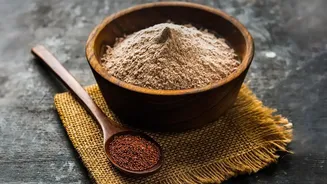
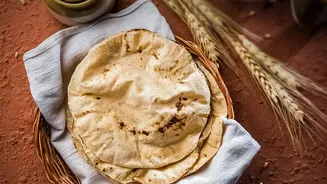
Jowar, or sorghum, is a robust and versatile millet that has been a staple in the arid and semi-arid regions of India for centuries. In Maharashtra and North Karnataka, it is the heart of the everyday meal in the form of 'Jowar Bhakri' or 'Jolada Rotti'. This unleavened flatbread is traditionally made by kneading jowar flour with warm water and patting it thin by hand before cooking it on a hot tawa and finishing it on an open flame until it puffs up. The result is a soft, slightly chewy bread with a rustic, earthy flavour. It serves as the perfect canvas for spicy curries like 'pithla' (a gram flour-based curry), vegetable sabzis, and chutneys. Beyond bhakri, jowar is also used to make a savory porridge or 'upma' from whole cracked grains, offering a wholesome and filling meal.
Foxtail Millet (Thinai/Kangni): The Delicate Grain
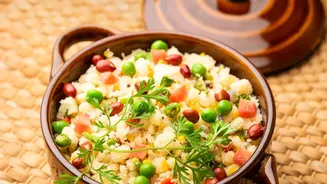
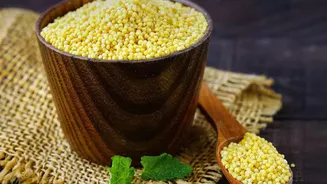
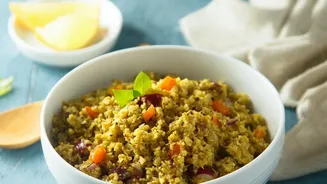
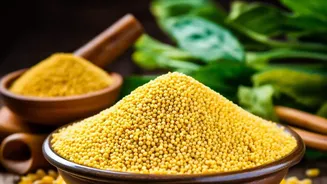
Foxtail millet, known as 'Thinai' in Tamil and 'Korralu' in Telugu, is a delicate, quick-cooking grain with a mild, nutty taste. Its fine texture makes it an excellent substitute for rice in a variety of South Indian dishes. In Tamil Nadu and Andhra Pradesh, it is commonly used to prepare 'Upma', a savory breakfast porridge cooked with vegetables and a tempering of mustard seeds and curry leaves. It also shines in dishes like 'Pongal', a creamy and comforting mixture of millet and moong dal, seasoned with black pepper, cumin, and ginger. Another popular use is in 'Pulao', where the millet is cooked with aromatic whole spices and mixed vegetables for a light yet satisfying one-pot meal. Being rich in protein and iron, foxtail millet offers a significant nutritional upgrade to these classic comfort foods.
Kodo Millet (Varagu/Kodra): The Digestive Powerhouse
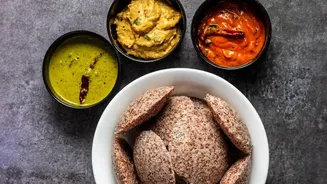
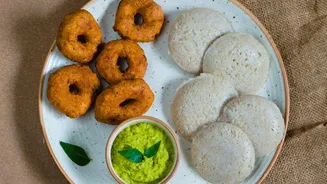
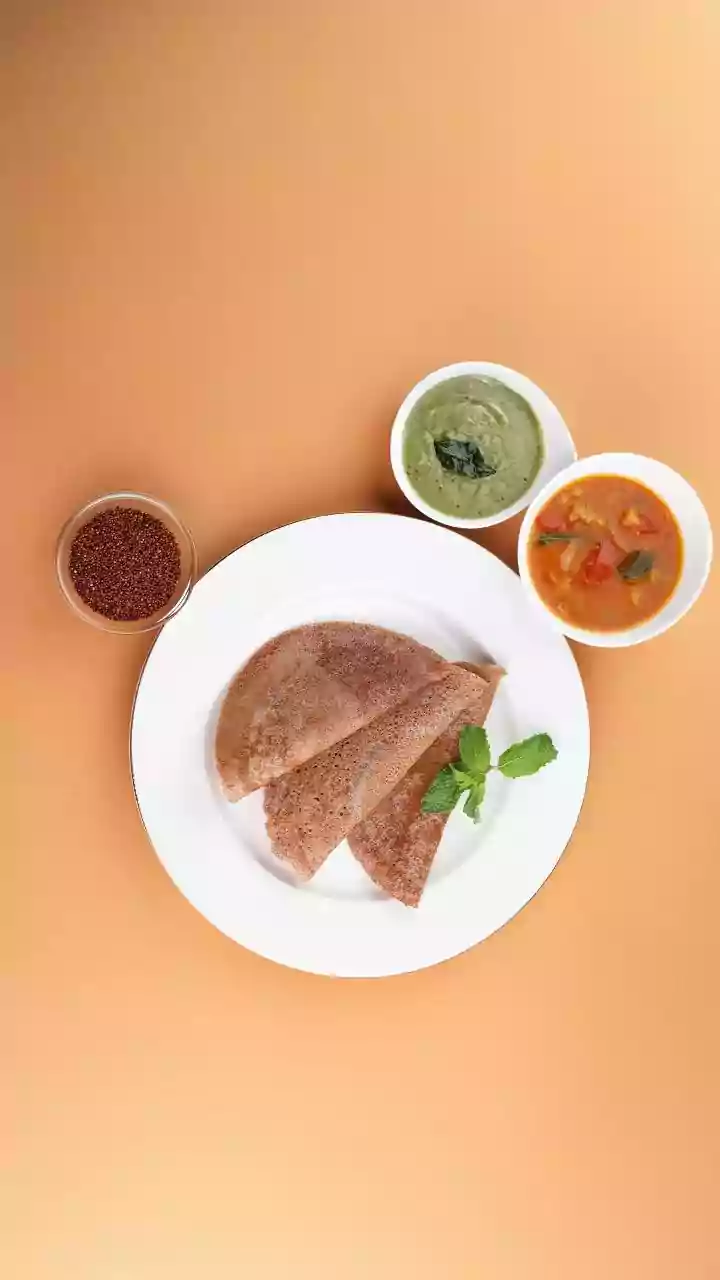
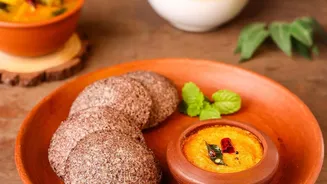
Kodo millet, called 'Varagu' in Tamil, is celebrated for its high fiber content and digestive benefits. It has a slightly bolder flavour than other millets and is extremely versatile. In South Indian kitchens, 'Varagu Arisi Pongal' is a popular breakfast dish, cherished for its creamy texture and gentle spice. It is also used to make 'Idli' and 'Dosa', where the millet is soaked and ground into a batter, which is then fermented to create soft, fluffy steamed cakes or crispy crepes. In Gujarat, Kodo millet (known as Kodri) is used to make a simple but nutritious 'Khichdi', a one-pot dish of millet and lentils that is both comforting and easy to digest. Because it is rich in antioxidants and helps regulate blood sugar, Kodo millet is a fantastic grain for those seeking healthful, traditional meals.
Bringing Millets to Your Kitchen
Cooking with these millets is simpler than it seems. The most crucial first step for many millets is to rinse and soak them for at least a few hours, which helps reduce anti-nutrients and makes them easier to digest. As a general rule, you can substitute them for rice in many recipes. Foxtail millet works wonderfully in upma and pulao, while Kodo millet is great for pongal and khichdi. Jowar flour can be used for rotis and even dosas. Start by swapping millet into a familiar dish once or twice a week. Whether it's a comforting 'khichdi' or a simple 'pulao', these ancient grains offer an easy way to boost the fiber and nutritional value of your meals without sacrificing tradition or taste.