








Why Humidity is a Hidden Danger
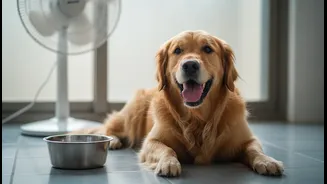
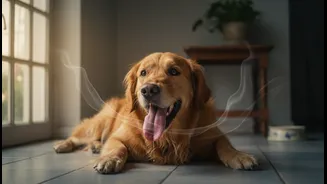
We often associate pet overheating with a blazing sun, but high humidity is a significant, and often underestimated, factor. Dogs cool themselves primarily through panting, which works by evaporating moisture from their lungs and tongue. When the air
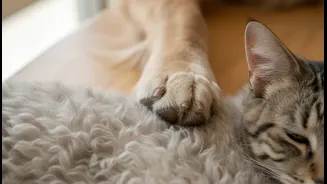
is already saturated with moisture, this process becomes far less effective. Their ability to cool down is severely hampered, causing their body temperature to rise dangerously even when indoors. Cats also struggle, relying on grooming and limited sweat glands in their paws, both of which are less effective in sticky, humid air. This makes pets in humid Indian homes, from Mumbai to Chennai, particularly vulnerable during the monsoon and summer months.
Spotting the Early Warning Signs
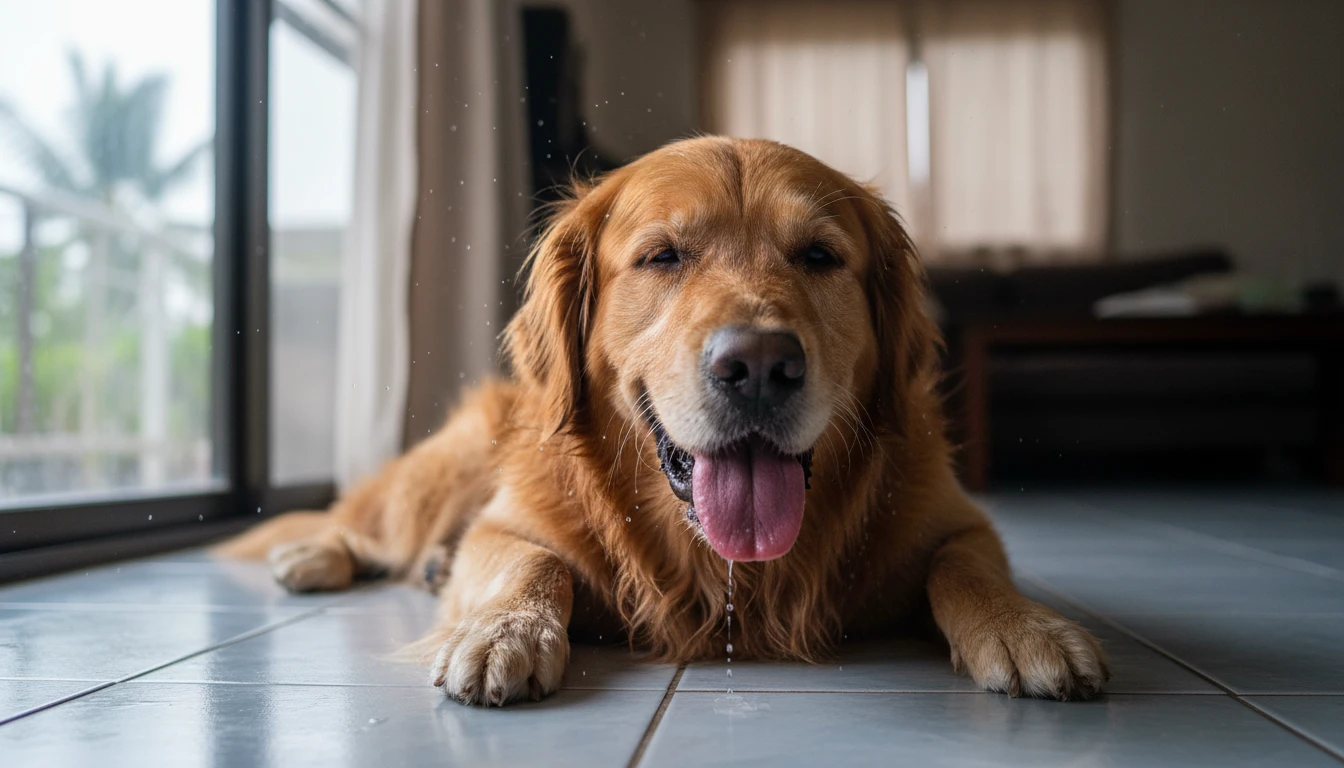
Recognising the initial signs of heat stress is crucial for early intervention. For dogs, this often starts with excessive or heavy panting that doesn't resolve with rest, along with unusually heavy drooling. You might notice them becoming restless, seeking out cool surfaces like tiled floors, or pacing. Cats can show more subtle signs, such as open-mouth breathing (which is not typical), lethargy, or excessive grooming as they try to cool down. In both dogs and cats, bright red gums can be an early indicator of overheating. If you see any of these signs, it's time to take immediate cooling action.
Rethinking Your Daily Schedule
The single most effective change is to adjust your daily planning. Shift all outdoor activities, including walks, to the coolest parts of the day. This means early mornings before 9 AM or late evenings after the sun has set and temperatures have dropped. During peak humidity and heat, keep walks short and avoid strenuous exercise like running or intense games of fetch. The goal is a relaxed stroll, not a workout. Since outdoor time will be limited, plan for more indoor engagement. Mental stimulation with puzzle toys or training games can help burn off energy without the risk of overheating. This shift is vital for all breeds, but especially for flat-faced dogs like Pugs and Bulldogs, who have a harder time breathing and cooling down.
Creating a Cool Haven at Home
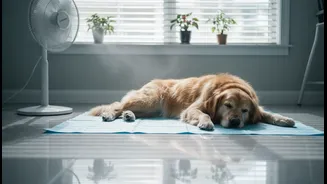
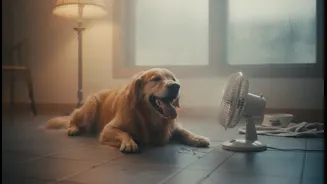
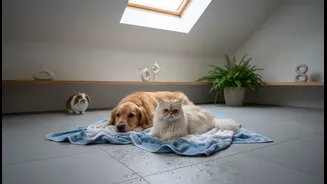
Your home should be a sanctuary from the heat. If you have air conditioning, use it to maintain a comfortable temperature. Fans are also crucial for circulating air and aiding evaporative cooling. A simple but effective trick is to place a wet towel over a fan to create a DIY evaporative cooler. Ensure your pet has access to naturally cool areas, such as tiled or marble floors, which are common in Indian homes. Cooling mats provide a dedicated chilly spot for them to lie on. Always provide multiple sources of fresh, cool water throughout the house to encourage hydration. You can also offer frozen treats, like homemade peanut butter popsicles or simply frozen water bottles wrapped in a towel for them to lie near.
Grooming and Paw Care Adjustments
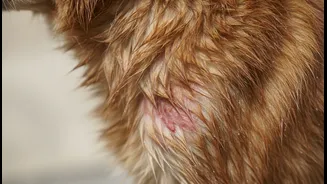
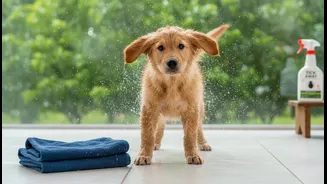
Proper grooming is essential during humid months, but not in the way you might think. For double-coated breeds like Huskies or Golden Retrievers, resist the urge to shave them. Their coat acts as insulation against the heat and protects them from sunburn; shaving can make them more vulnerable. Instead, focus on regular brushing to remove loose undercoat, which improves air circulation. During the monsoon, dampness can lead to skin and paw infections. After every walk, thoroughly dry your pet's paws and underbelly. Trimming the hair between their paw pads can also prevent moisture and mud from accumulating.