




Respect the Altitude, Always
Acute Mountain Sickness (AMS) is the single biggest risk in Spiti and has nothing to do with your fitness level. It’s caused by ascending too quickly. The 'safer' route for acclimatisation is via Shimla and Kinnaur, which allows for a gradual ascent.
The Manali-Kaza route involves a rapid climb and is riskier for first-timers. Symptoms of AMS include persistent headaches, nausea, dizziness, and unusual fatigue. The golden rule is to acclimatise properly. Spend at least one night in a mid-altitude town like Kalpa or Nako before pushing on to Kaza (3,800m). Drink 4-5 litres of water daily, eat light, carbohydrate-rich meals, and strictly avoid alcohol for the first few days. If symptoms appear, do not ascend further. Rest, and if they worsen, descending is the only cure.
Prepare Your Vehicle Thoroughly
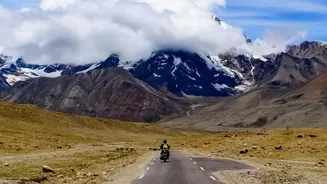
Your vehicle is your lifeline in this remote region. Whether it’s a car or a bike, a thorough service is non-negotiable. Pay special attention to brakes, tyres, and the cooling system. Ensure your tyres have ample tread; all-terrain (AT) tyres are highly recommended over standard highway tyres for better grip on gravel and rocky patches. Check that your coolant includes an antifreeze mixture, as night temperatures in autumn can drop below freezing. Carry a complete toolkit, a hydraulic jack, and a full-size spare tyre. For bikes, spare clutch cables, accelerator cables, and a puncture repair kit are essential. Given the rough roads, especially on the Manali side and near Kunzum Pass, a vehicle with high ground clearance is advisable.
Pack in Layers for Unpredictable Weather
Autumn weather in Spiti can swing from pleasant sunshine to biting cold in minutes. Packing in layers is the only way to stay comfortable. Your packing list must include a base layer of thermals (avoid cotton), a mid-layer of fleece or a warm sweater, and a windproof, waterproof outer jacket. Don't forget essentials like woolen socks, gloves, a warm cap or beanie, and a scarf or buff to protect against wind and dust. The sun at high altitudes is incredibly harsh due to thinner air, so high-SPF sunscreen (SPF 50+), UV-protection sunglasses, and lip balm are mandatory to prevent severe sunburn and cracked skin.
Master the Art of Cautious Driving
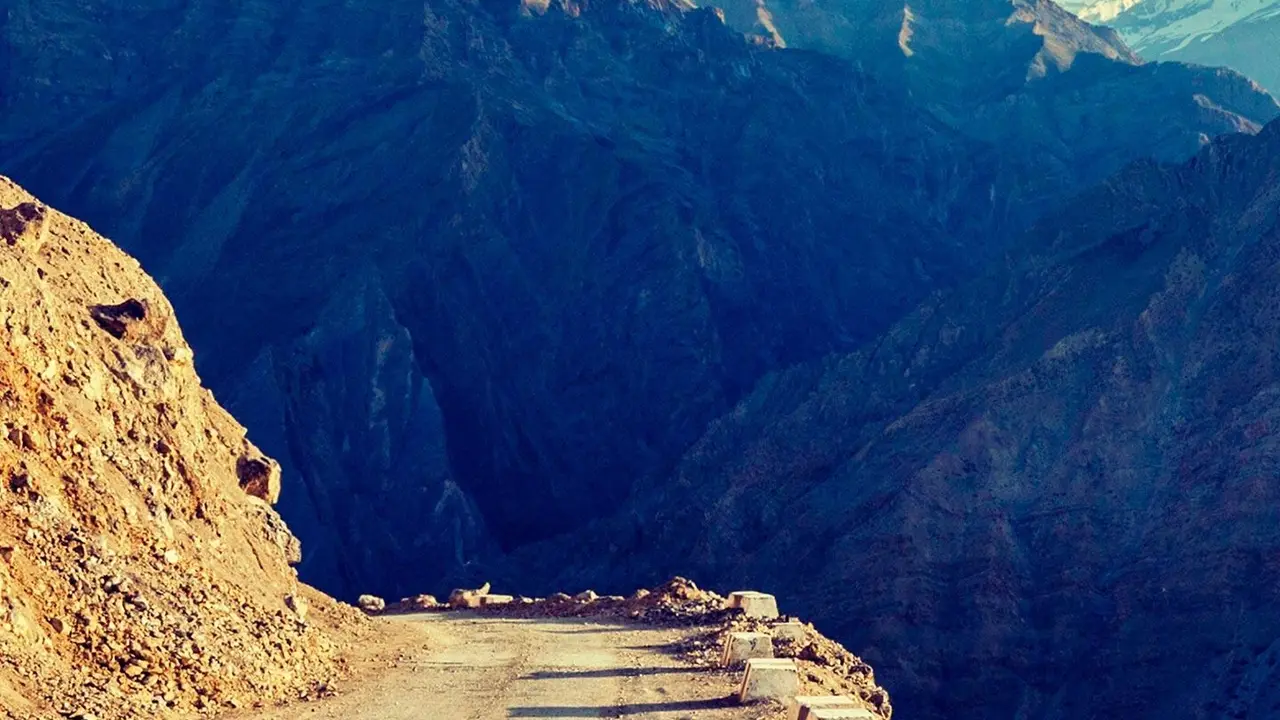
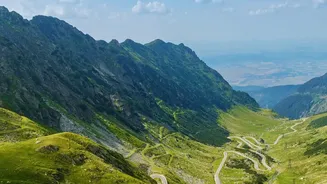
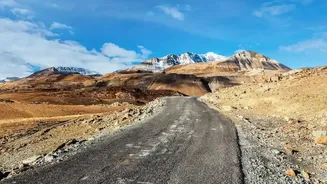
Spiti's roads are an adventure in themselves, with narrow stretches, blind curves, and unpaved sections. Drive slowly and defensively, especially as autumn can bring black ice to shaded corners of the road after a cold night. Always start your daily journey early to maximise daylight hours and avoid driving after dark, when hazards are invisible and temperatures plummet. Honk at blind curves and be prepared to stop for oncoming traffic. Don't rush your itinerary; build in buffer days in case of unexpected delays from weather or road closures. September is generally stable, but by October, the risk of early snowfall closing high passes like Kunzum La increases, making daily road condition checks essential.
Stay Self-Sufficient and Plan for Zero Connectivity
Once you enter Spiti Valley, facilities become sparse. Carry more cash than you think you'll need, as ATMs are few (Kaza has one) and often unreliable. Digital payments are rarely an option. Similarly, fuel stations are few and far between, so refuel at every opportunity. The main petrol pump is in Kaza. Mobile networks are mostly non-existent, except for patchy BSNL and Jio connectivity in Kaza and Tabo. Do not rely on your phone for navigation. Download offline maps of the entire region on Google Maps or a similar app before you leave home. Carry a high-capacity power bank, essential medications for common ailments, and a well-stocked first-aid kit.