


Gear Check 1: Master Your Waterproofing
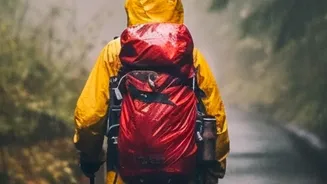
A simple rain cover for your backpack is not enough for the Indian monsoon. Sustained downpours can seep through seams and zippers. The first rule is to assume water will get in and to pack accordingly. Use a layered defence. Start with a waterproof backpack cover,
but the real protection comes from inside. Use large, thick plastic bags or dedicated dry sacks to compartmentalise your belongings. Keep one set of clothing, your electronics, and your sleeping bag absolutely dry in separate, sealed bags. This ensures you have something warm and dry to change into at the end of a wet day, which is crucial for preventing hypothermia.
Gear Check 2: Focus on Footwear and Grip
Slippery trails are one of the biggest dangers during the monsoon, responsible for countless falls and injuries. Your choice of footwear is therefore a critical safety decision. Invest in proper waterproof trekking boots with deep grooves on the sole for excellent grip on mud, moss, and wet rocks. Regular sports shoes are not adequate. It is also wise to wear your new boots around for a few days before the trek to break them in and prevent painful blisters. Also, avoid cotton socks at all costs; they trap moisture. Opt for synthetic or wool socks that wick moisture away and carry at least two extra pairs.
Route Check: Know Before You Go
Never venture onto a monsoon trail without thorough research. Familiarise yourself with the route and check recent conditions. Many trails, especially those in narrow valleys or near streams, are prone to flash floods. Landslides are a common risk in mountainous regions during heavy rains. Consult local authorities, experienced trekker forums, or reliable trekking companies to understand which routes are safe and which to avoid. Always have a turnaround time and be prepared to abandon your plan if the weather worsens significantly or if a water crossing appears too dangerous. Inform a reliable contact about your itinerary and your expected return time.
Clothing Check: Ditch the Cotton
The golden rule for monsoon trekking attire is to avoid cotton completely. Cotton, including jeans and sweatshirts, absorbs a massive amount of water, becomes heavy, and takes a very long time to dry. Wet clothing against your skin can lead to chafing and a dangerous drop in body temperature. Instead, dress in layers of quick-drying synthetic fabrics like polyester or nylon. A lightweight, full-sleeved T-shirt can protect you from insect bites and scratches. Your outermost layer should be a reliable waterproof and breathable rain jacket or a poncho that can cover both you and your backpack.
Health Check: Pack a Monsoon-Ready First-Aid Kit
Your standard first-aid kit needs a few monsoon-specific additions. Due to the wet conditions, small cuts and scratches can get infected easily. Your kit should include antiseptic wipes, waterproof bandages, and an antibacterial powder. Blister pads are essential for foot care. Leeches are common in the Western Ghats and Himalayan foothills, so carrying salt or a sanitiser can help in their removal. It is also wise to pack insect repellent to guard against mosquitoes. Always carry any personal medications you need, along with basic painkillers and tablets for diarrhoea. Finally, include packets of Oral Rehydration Solution (ORS) to combat dehydration.
Navigation Check: Don't Get Lost in the Mist
Dense fog and mist can reduce visibility to just a few meters, making it easy to get disoriented and lost, even on familiar trails. Do not rely solely on your mobile network, which is often non-existent in remote areas. Before you leave, download offline maps of the region on your phone. Carry a dedicated GPS device or a reliable compass as a backup. A fully charged power bank is non-negotiable to keep your phone and other electronic devices powered. A headlamp or torch is also essential, not just for navigating in the dark, but for signalling for help in an emergency.