

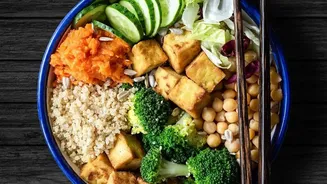


The Undeniable Protein Power
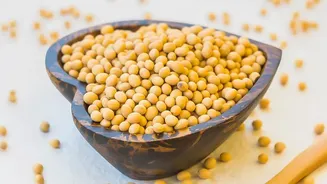
One of the biggest draws of soy and pulses is their high protein content, and this claim holds up. Soy is considered a 'complete' protein, meaning it contains all the essential amino acids our bodies need, similar to meat. This makes tofu, edamame, and soy milk
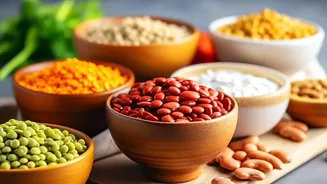
excellent choices, especially for those on plant-based diets. Pulses like lentils and chickpeas are also protein powerhouses. A single 100-gram serving of either can provide about 9 grams of protein. While not always 'complete' on their own, when paired with grains like rice or wheat, they form a complete protein profile, providing your body with the necessary building blocks for everything from muscle repair to immune function. Replacing some animal protein with pulses can increase fibre intake and lower dietary cholesterol.
A Fantastic Source of Fibre
Both soy and pulses are champions of dietary fibre, a nutrient crucial for digestive health, blood sugar regulation, and feeling full and satisfied after a meal. A cup of cooked lentils provides nearly 16 grams of fibre, while a cup of chickpeas offers around 12.5 grams—a significant portion of the daily recommended intake. This high fibre content is one of their standout health benefits. It aids in maintaining a healthy gut microbiome, can help lower 'bad' LDL cholesterol, and slows the absorption of carbohydrates, preventing sharp spikes in blood sugar. Given that most people don't get enough fibre, regularly including these foods is a simple and effective way to bridge that gap.
Myth: Soy Causes Hormonal Havoc
One of the most persistent myths about soy is that its isoflavones, which are plant-based estrogens (phytoestrogens), can disrupt human hormones. Concerns that soy consumption could lower testosterone in men or negatively affect thyroid function are widespread but not supported by broad scientific evidence. Major clinical reviews have found that soy intake does not have feminizing effects on men or alter reproductive hormone levels. In fact, some studies suggest soy may have beneficial or neutral effects on various health conditions, including a potential reduction in risk for certain cancers. For most people, consuming soy in normal dietary amounts—as tofu, edamame, or soy milk—is perfectly safe and healthy.
Fact: They Offer Genuine Health Perks
While they aren't magic bullets, the benefits of soy and pulses are well-documented. Their combination of protein, fibre, and low saturated fat makes them excellent for heart health. Studies show that regularly eating pulses can help lower blood pressure and cholesterol. The isoflavones in soy have been linked to a reduced risk of some cancers, improvements in bone health, and alleviation of menopausal symptoms like hot flashes for some women. Both soy and pulses are also packed with important micronutrients like folate, potassium, and magnesium, which support overall health from the cellular level up.
Reality Check: They Aren't a Cure-All
This is the crucial part of the story. Soy and pulses are nutritionally dense, but they are not miracle ingredients that can single-handedly fix a poor diet or cure disease. Their benefits are most potent when they are part of a balanced, whole-foods-based eating pattern. It's also important to note how they are consumed. Highly processed soy-based junk food is not the same as lightly processed tofu or edamame. Furthermore, individuals with a soy allergy should obviously avoid it, and those unaccustomed to a high-fibre diet might experience digestive discomfort if they increase their intake too quickly. The key is moderation and incorporation into an overall healthy lifestyle.