


Prioritize Peak-Season Produce
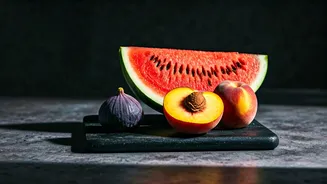
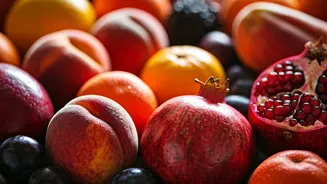
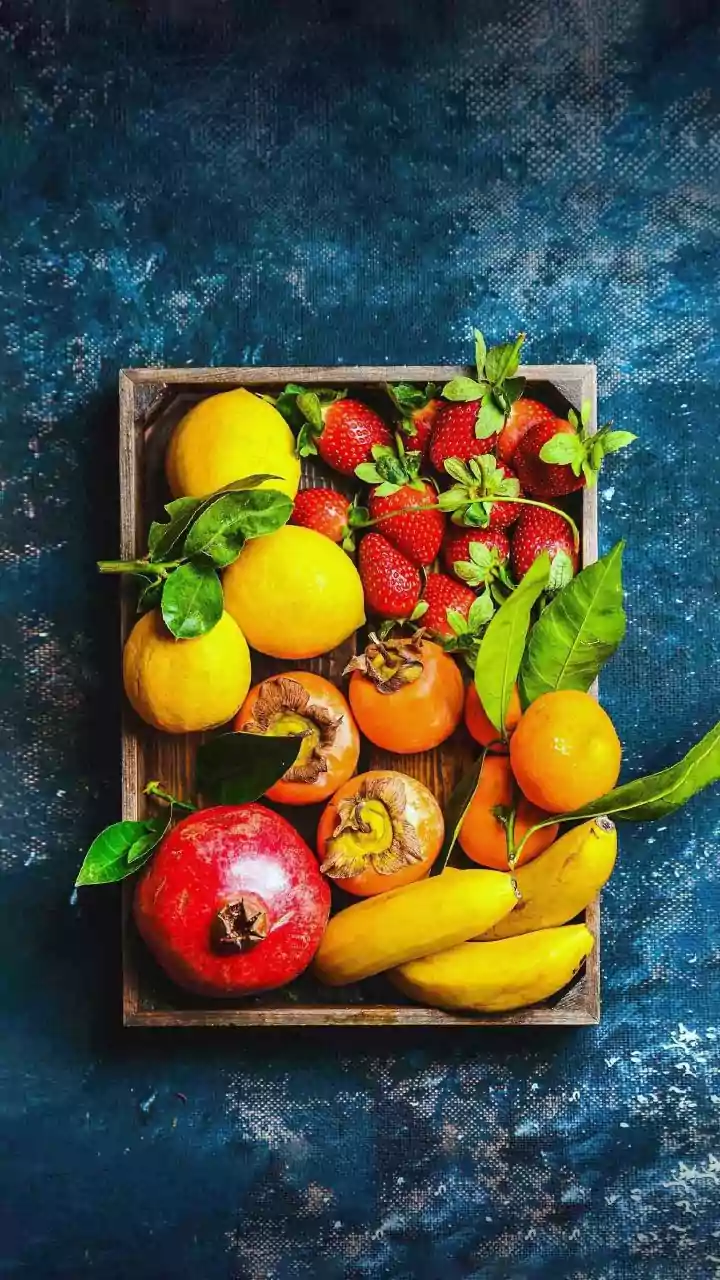
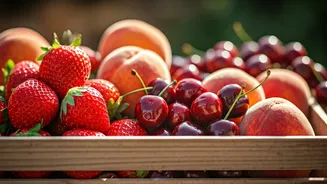
The smartest shopping starts with knowing what’s at its absolute best right now. In the humid summer months, nature offers fruits that thrive in the heat. Look for stone fruits like peaches, nectarines, plums, and cherries, which are hitting their peak
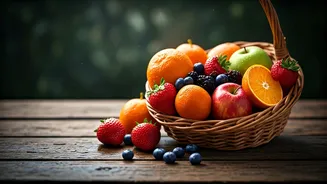
sweetness. Melons—from watermelon to cantaloupe and honeydew—are bursting with water and flavor, making them a perfect antidote to the sticky weather. Berries of all kinds, from blueberries to raspberries and blackberries, are also in their prime. Shopping in season doesn't just guarantee better taste; it often means lower prices and a smaller carbon footprint, as the produce doesn't have to travel as far.
Shop Small and More Frequently
While buying in bulk can feel economical, it’s a recipe for waste during the damp, warm months that many Americans experience as a 'monsoon' season. High humidity is the enemy of fresh fruit, creating the perfect environment for mold and rapid decay. Instead of a massive weekly haul, switch to buying smaller quantities two or three times a week. This strategy ensures that you’re eating everything at its peak freshness and drastically reduces the chances of discovering a fuzzy, forgotten peach in the back of your fruit bowl. It might feel like more effort, but it saves money and disappointment in the long run.
Trust Your Senses, Not Just Your Eyes
Your nose is one of your best tools at the market. A perfectly ripe peach or cantaloupe should smell sweet and fragrant. If there’s no aroma, it was likely picked too early and won’t ripen properly. A sour or fermented smell is a clear red flag. Next, learn the art of the gentle touch. A ripe nectarine or plum should have a slight give when pressed gently near the stem. Melons should feel heavy for their size, and a good watermelon will have a deep, hollow sound when you tap it. For berries, skip the squeeze and just look: check the bottom of the container for any smashed, leaking, or moldy ones.
Inspect for Signs of Moisture Damage
Humidity doesn’t just affect fruit in your kitchen; it starts at the store. Always inspect produce for signs of moisture-related damage before putting it in your cart. Look for condensation inside berry containers, which can signal the beginning of mold growth. Avoid fruits with soft, water-logged spots or skin that appears wrinkly and dull. Pay close attention to the area around the stem, as that’s often where decay begins. A few cosmetic blemishes from the farm are fine, but any signs of mushiness or dark, damp patches mean the fruit is already past its prime.
Rethink Your At-Home Storage
Once you get your fruit home, proper storage is crucial. First rule: do not wash your fruit until you are ready to eat it. Washing introduces moisture that accelerates spoilage, especially for delicate items like berries. Store berries in a single layer on a paper towel-lined plate or in a specialized vented container in the fridge. Let stone fruits and melons ripen on the counter first; once they are ripe (smell fragrant and yield to gentle pressure), move them to the refrigerator to extend their life by a few days. Bananas, however, should always stay on the counter, as refrigeration turns their skins black and halts the ripening process.
Know When Frozen Is a Smart Choice
Being a smart shopper also means knowing when fresh isn’t the only option. The frozen aisle is your friend, especially for fruits you plan to use in smoothies, sauces, or baking. Frozen fruit is picked and flash-frozen at its peak ripeness, locking in nutrients and flavor without the risk of spoilage. If you’re craving mangoes for a smoothie or cherries for a pie during a particularly rainy week, buying frozen eliminates the gamble of finding good-quality fresh versions and ensures you always have a sweet, healthy ingredient on hand.