





The Festive Look and Its Hidden Risks
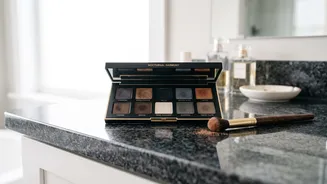
During festivals like Diwali, the desire to look your best often involves more elaborate makeup than usual. This means dramatic winged eyeliner, vibrant eyeshadows, and, of course, plenty of glitter. While these products create beautiful effects, they
also carry risks, especially for the delicate eye area. Heavy kohl, or kajal, can sometimes contain ingredients that cause irritation, especially if applied on the inner waterline where it can block important oil glands. Glitter, with its sharp-edged particles, is a primary concern. Both cosmetic-grade and, more dangerously, craft-grade glitter can flake off and enter the eye, leading to irritation or even scratches on the cornea. False eyelashes and their adhesives can also be problematic, with some glues containing chemicals like formaldehyde that can trigger allergic reactions.
Minor Irritation or a Major Problem?
It’s crucial to know the difference between a minor, temporary issue and a condition that needs a doctor's attention. A tiny fleck of eyeshadow that causes brief watering and redness, which resolves after a gentle rinse, is usually a minor irritation. Your eye's natural tearing reflex is designed to flush out such small intruders. However, if the discomfort persists for more than an hour or so after removing your makeup and rinsing your eye, it's a sign that something more is wrong. Mild reactions might include slight redness or a gritty feeling that fades, but any symptom that worsens over time should not be ignored.
Red Flags: When to See a Doctor Immediately
Certain symptoms should never be ignored and warrant prompt medical attention. If you experience any of the following, it is time to consult an ophthalmologist: Persistent, Severe Pain: Sharp pain that doesn't go away after rinsing is a major red flag. This could indicate a corneal abrasion, which is a scratch on your eye's surface. Changes in Vision: Any blurriness, haziness, or loss of vision that is not temporary is serious. Sensitivity to Light: If you find yourself struggling to keep your eyes open in normally lit rooms, it points to significant inflammation or injury. Thick Discharge: Yellow, green, or crusty discharge, especially that which sticks your eyelids together upon waking, is a classic sign of an infection like conjunctivitis (pink eye). The Feeling That Something Is Still Stuck: If you've rinsed your eye thoroughly but it still feels like a foreign object is present, a particle may be embedded under your eyelid.
Common Makeup-Related Eye Conditions
Understanding what can go wrong helps reinforce why caution is so important. Besides minor irritation, makeup can cause several specific conditions. Conjunctivitis, or pink eye, is an infection or inflammation of the conjunctiva, often caused by bacteria transferred from contaminated makeup or brushes. Corneal abrasions are scratches on the cornea, frequently caused by mascara wands or glitter particles. These can be very painful and may lead to serious infection if not treated. Blepharitis is the inflammation of the eyelids, often resulting from clogged oil glands along the lash line due to leftover makeup residue, which can lead to redness, crustiness, and styes. Allergic reactions are also common, causing itching, redness, and swelling on and around the eyelids.
A Guide to Safer Festive Makeup
Enjoying festive glamour doesn't have to come at the expense of your eye health. A few simple habits can dramatically reduce your risk of problems: Always Wash Your Hands: Before touching your eye area or applying any makeup, ensure your hands are clean. Don't Share Makeup: Sharing eye products like kajal, eyeliner, and mascara is one of the easiest ways to spread infections. Replace Products Regularly: Eye makeup, especially liquid products like mascara, should be replaced every three months as they can become a breeding ground for bacteria. Be Gentle: Avoid applying makeup in a moving vehicle to prevent accidental pokes and scratches. When removing makeup, use a dedicated remover and avoid harsh rubbing. Choose Products Wisely: Opt for hypoallergenic, ophthalmologist-tested products. Use cosmetic-grade glitter only and avoid applying liner directly on the inner waterline.