





A Record-Breaking Surge
The numbers themselves tell a compelling story. Recent registration windows for the annual Amarnath Yatra have been overwhelmed, hitting record highs well before the pilgrimage even begins. Officials at Shri Amarnathji Shrine Board (SASB), which manages
the Yatra, have noted an unprecedented trend: a significant majority of these advance registrations are from people under the age of 40. This demographic wave is reshaping the profile of the typical 'yatri'. While the pilgrimage has always drawn the devout of all ages, the sheer volume of young applicants marks a distinct departure from the past, where it was often seen as a spiritual undertaking for the middle-aged and elderly.
The Rise of Adventure Spirituality
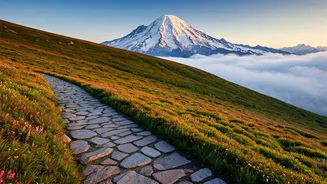
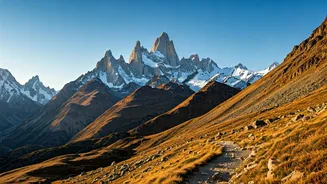
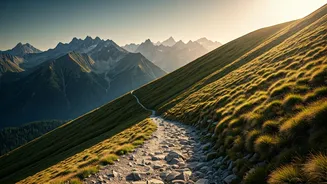
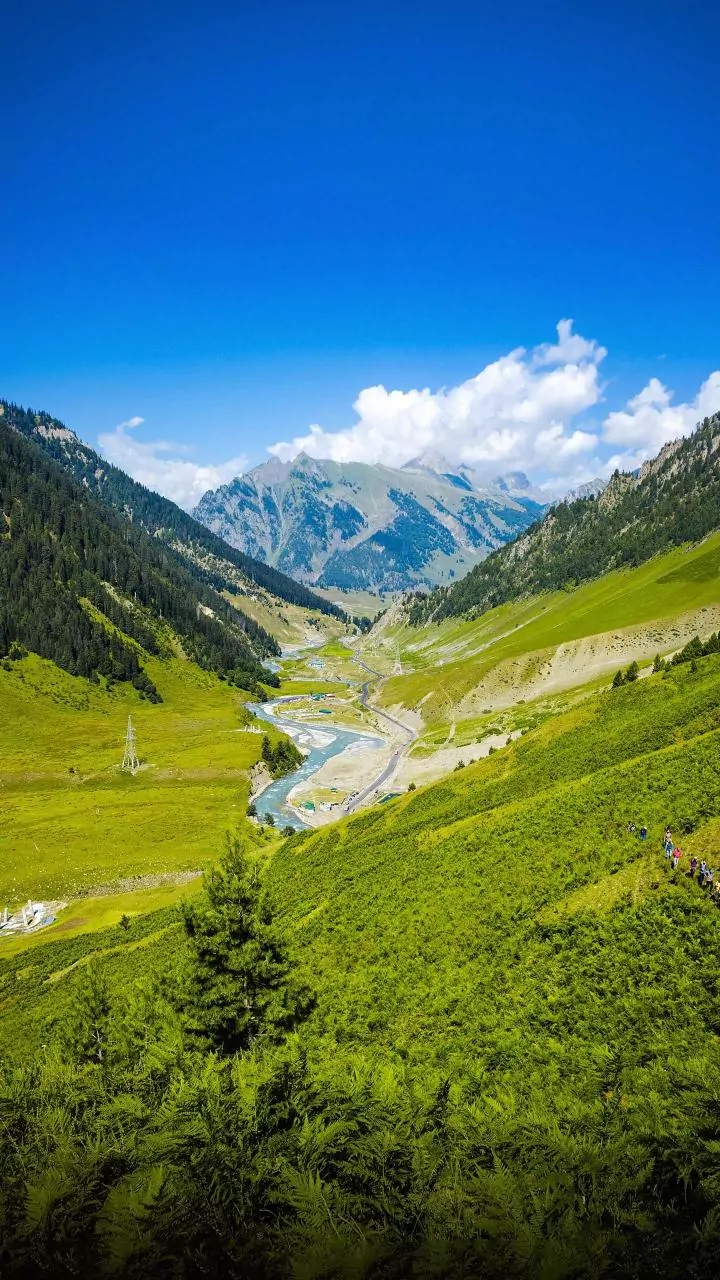
So, what’s driving this youthquake on the Himalayan trails? The answer lies at the intersection of spirituality and adventure. For many young Indians, the Amarnath Yatra is no longer just a religious obligation; it's a bucket-list physical challenge. The trek, which winds through breathtaking but treacherous mountain passes at altitudes exceeding 14,000 feet, offers a potent mix of adrenaline and authenticity. This generation, fuelled by a desire for meaningful experiences over material possessions, sees the Yatra as a unique opportunity. It's a chance to test their physical and mental limits while connecting with a profound cultural and spiritual tradition. The journey becomes as important as the destination, with every steep ascent and panoramic vista adding to the richness of the experience.
Instagram, Influence, and Inspiration
It’s impossible to ignore the role of social media in this trend. Platforms like Instagram and YouTube are flooded with stunning visuals from the Yatra—snow-capped peaks, glacial rivers, and the camaraderie of the trail. Vloggers and travel influencers have documented their journeys, presenting the pilgrimage not as a solemn, difficult ordeal but as an epic, transformative adventure. These digital narratives have demystified the Yatra for a younger audience, providing practical tips on preparation, packing, and fitness. The 'fear of missing out' (FOMO) combines with genuine inspiration, creating a powerful pull. Seeing peers complete the challenging trek makes it feel achievable and highly desirable, turning a once-distant religious event into an accessible life goal.
New Challenges for Organisers
This influx of young, enthusiastic pilgrims brings with it a new set of logistical challenges for the SASB and local authorities. While younger yatris are generally fitter, they may also be less experienced with high-altitude trekking and its associated risks, such as acute mountain sickness (AMS). Ensuring their safety requires robust medical facilities, clear communication about acclimatisation protocols, and constant monitoring along the routes. Furthermore, the sheer volume of registrations puts immense pressure on the region's fragile ecosystem. Managing waste, preventing overcrowding at base camps, and preserving the pristine environment of the Lidder and Sind valleys are now more critical than ever. The board is responding with enhanced RFID tracking for pilgrims, increased security, and stricter environmental guidelines to manage the surge responsibly.
The Evolving Face of Faith
This trend isn’t about a dilution of faith, but rather its evolution. The young adventurers heading to Amarnath are not necessarily abandoning spirituality; they are simply integrating it with other personal values like fitness, self-discovery, and a love for nature. For them, faith isn't confined to a temple; it's found in the struggle of the climb, the beauty of the Himalayas, and the shared humanity of the trail. They are forging a new path, one where a selfie at the summit can coexist with a moment of quiet prayer. This modern reinterpretation ensures that ancient traditions like the Amarnath Yatra remain relevant and vibrant for generations to come, proving that faith and adventure can walk hand-in-hand.