







The Promise and Peril of Cloud Kitchens
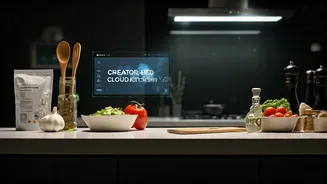
The cloud kitchen model once seemed like a golden ticket. By ditching expensive dining rooms and front-of-house staff, these delivery-only kitchens promised a low-cost, high-efficiency way to enter the food business. [3] Spurred by the pandemic, they
boomed across urban India. [2, 5] However, the gold rush soon revealed deep cracks. The biggest issue was a structural dependency on food delivery aggregators like Zomato and Swiggy. [2] These platforms, while providing customer access, charged crippling commissions of 25-30%, eroding already thin profit margins. [3, 5] Without a physical storefront to build a brand, many kitchens struggled for visibility and became unprofitable, with failure rates as high as 50% in some metro markets. [2, 5]
Enter the Creator Economy
Parallel to the cloud kitchen saga, India's creator economy has been exploding. Millions of influencers, vloggers, and streamers have built loyal communities around niches from comedy to coding. [7, 10] Their power isn't just in their follower count, but in the trust they command. Audiences often trust an individual creator's recommendation more than a traditional corporate advertisement. [7, 9] While many creators struggle with consistent monetization, the smartest are evolving beyond brand endorsements. [6, 7] They are leveraging their audience connection to launch their own D2C products and businesses, moving from being marketing channels to becoming brands themselves.
The Creator's Unfair Advantage
When a food creator launches a kitchen, they start with advantages that a traditional entrepreneur can only dream of. The primary one is bypassing the aggregator trap. Instead of paying for visibility on delivery apps, they announce a new dish or a weekend special on their Instagram or YouTube, and orders flood in through DMs and WhatsApp. [19] This direct-to-consumer model means they avoid the hefty commissions that sank many earlier ventures. [3, 5, 19] This isn't just a transaction; it's community-driven commerce. A follower isn't just ordering a burger; they're buying from a personality they trust and follow daily. This built-in distribution, marketing, and trust are a powerful combination that fundamentally changes the business's economics.
From Content to Commerce
This trend represents a more mature, sustainable second wave of the cloud kitchen concept. [22] The focus is shifting from rapid, debt-fueled scaling to authentic brand-building. A creator-led kitchen is rarely just a kitchen. It’s the hub of a brand ecosystem. The creator’s credibility becomes the brand's identity, which is a powerful differentiator in a crowded market. [22] This model is also more resilient. While the first wave of cloud kitchens competed on discounts and delivery speed, this new wave competes on story, quality, and community connection. They can get direct, instant feedback from their customers, allowing them to refine recipes and services in real-time.
Challenges on the Menu
Despite the clear advantages, the path isn't without its obstacles. The shift from being a content creator to a full-time food business operator is significant. It requires a completely different skillset, including supply chain management, quality control, food safety compliance, and complex logistics. A single bad batch of food can damage a reputation built over years. Furthermore, as these businesses scale, they may face the same pressures of delivery and consistency that challenge traditional restaurants. The very personality-driven nature of the brand can also be a double-edged sword, placing immense pressure on the creator to be the constant face and driving force of the business, risking burnout. [11]