

Inspect the Skin Thoroughly
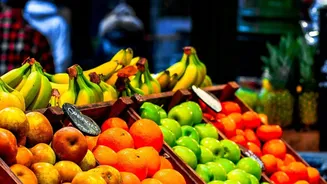
The first rule of fruit shopping is to use your eyes. A fruit’s skin is its primary layer of protection. During the monsoon, excess moisture in the air can encourage fungal growth and accelerate decay. Look for fruits with smooth, unbroken skin. Avoid
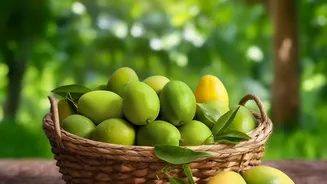
any with visible bruises, cuts, soft spots, or wrinkles, as these are entry points for bacteria and mould. For fruits like jamun, look for a deep purple or nearly black colour and glossy skin, which indicates ripeness. Similarly, ripe peaches should have a rich, yellowish-orange hue and be free of blemishes. If a fruit looks dull or has shrivelled skin, it has likely lost its freshness and moisture, a common issue in the humid climate.
Rely on Your Sense of Smell
Your nose is a powerful tool for detecting freshness. Naturally ripened fruits have a distinct, pleasant aroma. Peaches, for instance, should have a sweet, fragrant smell. If you pick up a fruit and it has a sour, fermented, or chemical-like odour, it’s a clear red flag. This could mean the fruit is overripe and starting to rot, or it may have been artificially ripened using chemicals. Artificially ripened fruits often lack any natural aroma. A fresh, sweet scent indicates the fruit has developed its sugars naturally and is at its peak, whereas an off-smell is a sign to put it back.
Check for Firmness and Texture
Gently pressing a fruit can tell you a lot about its condition. A perfectly ripe fruit should feel firm but have a slight give. For example, a ripe jamun or plum should yield slightly to gentle pressure without being mushy. If a fruit is rock-hard, it’s likely unripe. On the other hand, if it’s excessively soft, mushy, or has depressions that your finger sinks into, it is overripe and will spoil quickly. This check is also crucial for spotting artificially ripened produce. Fruits that are ripened quickly with chemicals may appear colourful on the outside but remain hard and raw on the inside.
Watch for Unnatural or Uneven Colours
While vibrant colour is often a sign of ripeness, an unnaturally uniform and bright colour can be a warning. Fruits ripened with chemicals like calcium carbide often have a suspiciously even colour, for example, a mango that is bright yellow all over without any green patches. Naturally ripened fruits tend to have a more gradual and uneven colour distribution. A naturally ripe banana, for instance, will have a yellow peel while the stalk remains green. Be wary of fruits that look too perfect. Patchy green and yellow spots on mangoes or other fruits can actually be a sign of natural, slower ripening.
Avoid Pre-Cut Fruits
While convenient, pre-cut fruits sold by street vendors or in stores are best avoided, especially during the monsoon. Once a fruit's protective peel is broken, its flesh is exposed to the air, light, and heat, accelerating nutrient loss, particularly of water-soluble vitamins like C. More importantly, the high humidity of the rainy season creates a perfect breeding ground for harmful bacteria on exposed fruit surfaces. Contamination can occur from the knife, the cutting surface, or simply from being left open to the air, increasing the risk of foodborne illnesses. Buying whole fruits and cutting them fresh at home just before you eat is always the safest and most nutritious option.