

Why Repeat Reheating Ruins Meals
Each time you cool and reheat food, you're not just warming it up; you're fundamentally changing it. The biggest concern is food safety. The temperature range between 4°C and 60°C is known as the 'danger zone', where bacteria like Salmonella and Listeria
can multiply rapidly. Every cycle of cooling and reheating gives these harmful bacteria another chance to grow. While thoroughly heating food to an internal temperature of 74°C (165°F) kills active bacteria, some can produce heat-resistant toxins that remain even after reheating. This is why food safety experts recommend reheating food only once if possible. Beyond safety, repeated heating degrades the quality of your food. It causes a loss of heat-sensitive nutrients like Vitamin C and B vitamins and can change the structure of proteins, making them less nutritious. Texturally, foods like meat, rice, and pasta can become dry, mushy, or tough, and flavours can become dull or unpleasant.
The Single-Serving Strategy Explained
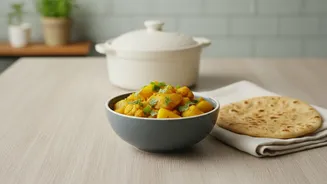
The solution is elegantly simple: only reheat what you plan to eat. Instead of putting the entire container of leftover curry in the microwave for the third time, scoop out a single portion into a separate bowl or plate. This keeps the rest of the leftovers from passing through the temperature danger zone again. By doing this, you preserve the safety, nutritional integrity, and texture of the remaining food for another meal. This strategy not only makes your food last longer but also ensures each serving tastes much closer to how it did when freshly made. It's a small change in habit that pays big dividends in reducing food waste and making your meals more enjoyable.
The Golden Rules of Safe Reheating
To ensure your leftovers are always safe and delicious, follow a few key principles. First and foremost, use a food thermometer. Your goal is to reach an internal temperature of at least 74°C (165°F) to kill any harmful bacteria. Make sure you achieve this temperature within two hours. When using a microwave, cover the food to retain moisture and ensure it heats evenly, stirring or rotating it midway through. For liquids like soups, sauces, and gravies, bring them to a rolling boil on the stovetop. Finally, never use equipment designed for holding food hot, such as slow cookers or chafing dishes, to reheat food. These devices don't get hot enough quickly enough, leaving food in the danger zone for too long.
Choosing the Right Tool for the Job
The method you use to reheat matters just as much as the temperature. While microwaves are fast, they can leave food rubbery or with uneven hot spots. The oven or a toaster oven, set to a moderate temperature around 160°C (325°F), is excellent for things like casseroles, roasted vegetables, or fried chicken, helping to preserve texture. Covering the dish with foil can help retain moisture. The stovetop is ideal for soups, stews, sauces, and stir-fries. A skillet can revive pizza slices and make them crispy again, often better than a microwave can. For fried foods, an air fryer can work wonders, bringing back the crispiness that is often lost in the fridge. For delicate items like steak or fish, a gentle reheat in a low oven or a pan is best to avoid overcooking.
A Quick Guide for Common Leftovers
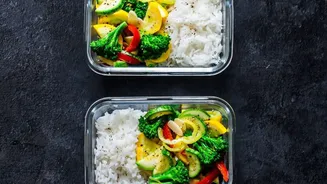
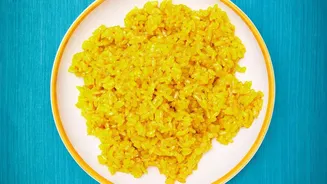
Different foods require different approaches for the best results. For rice, which can dry out, the best method is to add a splash of water or broth and reheat it covered, either in the microwave or on the stovetop, to steam it back to life. Pasta dishes can be revived in a skillet with a little oil or sauce. For poultry and other meats, reheating in the oven or a pan helps maintain moisture and avoids the rubbery texture a microwave can create. Pizza is famously good reheated in a dry skillet or an air fryer to crisp up the crust. Casseroles and other baked dishes do best when reheated in the oven, covered, to ensure they warm through evenly without drying out.