



The Allure of the Quick Fix
We've all been there: a slick infomercial or a viral video promises that a single gadget will solve all our kitchen woes. A banana slicer for perfect cereal, an automatic pan stirrer for hands-free sauces, or a dedicated quesadilla maker for flawless
results every time. The promise is efficiency, perfection, and a shortcut to culinary greatness. Yet, many of these single-task tools end up relegated to the back of a drawer, gathering dust. The reason is simple: gadgets are often a solution to a problem we don't truly have. They offer a quick fix, but they don't teach us how to actually cook. They can't replace fundamental skills, and they often create more clutter and cleaning than they save in time.
What Is Your 'Cooking Path'?
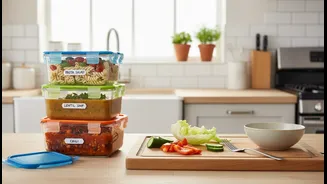
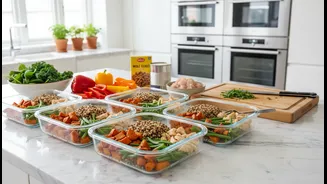
Instead of focusing on tools, let's think about the 'cooking path'—the entire workflow of creating a meal. It starts well before the stove is lit. It's the mental work of planning a meal, gathering ingredients, and anticipating the steps ahead. A smooth cooking path means you move efficiently in your kitchen, your tools are where you need them, and your steps are logical. Do you read the recipe all the way through before starting? Do you clear counter space? Do you think about which dish takes the longest and start it first? This path is the invisible architecture of good cooking. Improving it means you're less stressed, more organized, and better able to focus on the enjoyable, creative parts of making food.
The Power of 'Mise en Place'
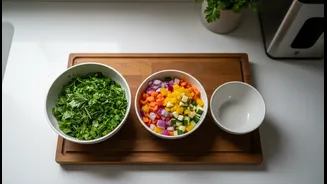
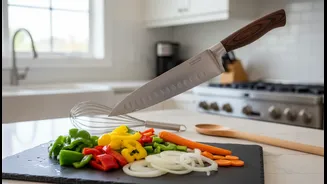
The single most impactful way to improve your cooking path is to adopt the professional chef's secret weapon: 'mise en place'. This French term, meaning 'everything in its place', is a philosophy of preparation. Before any heat is applied, you wash, chop, measure, and arrange all your ingredients and tools. Imagine you're making a stir-fry. Instead of frantically chopping vegetables while your protein overcooks, every ingredient is prepped and waiting in small bowls. You can then focus solely on the cooking, managing heat and timing without distraction. This practice transforms a chaotic process into a calm, composed, and efficient one, reducing stress and dramatically improving the final dish.
Mastering Fundamental Techniques
No gadget can substitute for core skills. An avocado slicer is useless if you don't know how to handle a basic knife. Learning a few key techniques will empower you more than a drawer full of gizmos. Start with proper knife skills; learning to hold a knife correctly and make consistent cuts will speed up your prep and boost your confidence. Understand heat management—learn to listen to the sizzle in a pan and know when to turn the heat up or down based on your senses, not just a timer. Practice seasoning at every stage of cooking, not just at the end, to build layers of flavor. Mastering these basics makes you a versatile and intuitive cook who can adapt any recipe.
Re-evaluate Your Existing Tools
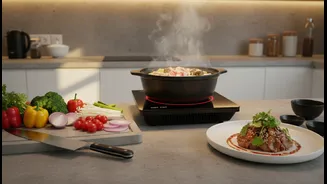
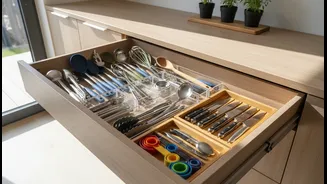
Before you even think about buying something new, take an inventory of what you already own. Most cooking can be done with a surprisingly small set of essential, high-quality tools. A good, sharp chef's knife is more valuable than a dozen different slicers. A heavy-bottomed pan and a versatile Dutch oven can handle countless tasks. Tongs are like an extension of your hands for flipping and moving food. Often, the tools we already possess are more than capable, but we've been seduced by the idea that a specialized gadget is necessary. A simple plate can serve as a spoon rest, and smashing garlic with the flat of your knife is often faster and easier than using a press.
When a Gadget Actually Makes Sense
This isn't to say all gadgets are useless. The key is to let your established cooking path dictate your purchases, not the other way around. Once you have a smooth workflow and have mastered basic skills, you'll be able to identify genuine gaps in your process. Do you make soup every single week? An immersion blender might be a truly useful, time-saving tool for you. Do you find yourself constantly wrestling with wet greens for salads? A salad spinner could be a worthwhile investment. A good gadget solves a real, recurring problem that you've identified through practice. It becomes a valued part of your arsenal because it supports the way you already cook, rather than promising to change it entirely.