




A Cosmic Alarm Clock Goes Off
For decades, the galaxy known as SDSS1335+0728 was just another quiet spot in the constellation Virgo. But in late 2019, something extraordinary began. Astronomers using the Zwicky Transient Facility, a project that scans the night sky for changes, noticed
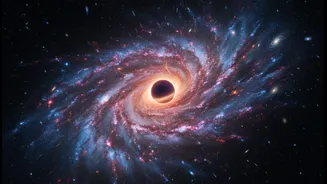
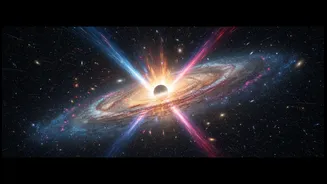
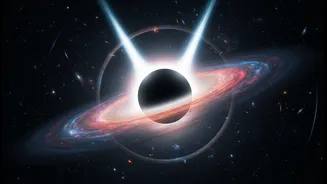
the galaxy's core starting to shine dramatically brighter than ever before. This wasn't a brief flash like a supernova, which fades in a matter of months. This galaxy just kept getting brighter, and more than four years later, it still is. Follow-up observations confirmed the galaxy is now radiating much more light across the spectrum, from ultraviolet to infrared, and in early 2024, it even started emitting X-rays. Scientists have concluded they are witnessing, for the first time ever, the real-time awakening of a supermassive black hole.
Rewriting the Rulebook on Black Holes
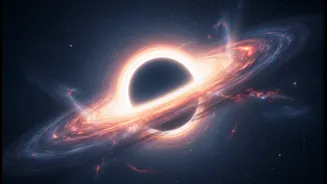
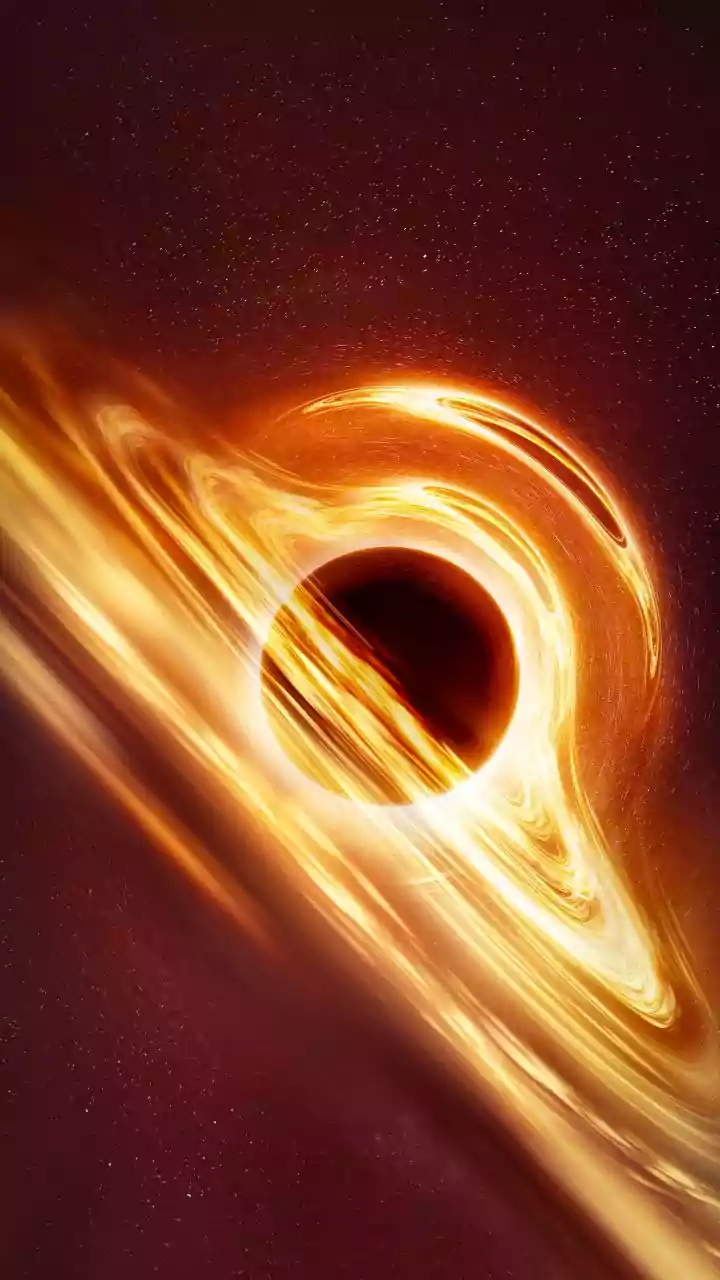
The common picture of supermassive black holes is that they are either 'sleeping' (quiescent) or 'feeding' (active). The transition between these states was thought to be a slow, gradual process taking place over thousands of years. This new observation throws that theory into question. The sudden and rapid brightening of SDSS1335+0728 suggests that these cosmic giants can 'switch on' much faster than previously believed. Paula Sánchez Sáez, an astronomer with the European Southern Observatory, described the event as witnessing dramatic changes unlike any typical events seen before. This isn't a star being torn apart, an event that lasts only a few hundred days at most. The sustained brightening indicates the black hole has begun actively pulling in, or accreting, huge amounts of gas from its surroundings, turning its core into a dazzlingly bright Active Galactic Nucleus (AGN).
A New Focus for Cosmic Detectives
This discovery fundamentally changes the priorities for astronomers studying galaxy evolution. Previously, research focused on studying galaxies that were already active or those that were fully dormant. Now, a new priority has emerged: finding more galaxies in the process of 'turning on'. Catching a black hole in the act of awakening is a rare opportunity to understand a key phase of its life cycle that was, until now, purely theoretical. It provides a unique chance to study how a black hole's feeding habits begin and how its sudden energy output starts to influence the entire host galaxy. This shift means more telescope time and resources will likely be dedicated to large-scale sky surveys that monitor galaxies for these kinds of changes over time, turning astronomy into a more dynamic, real-time observational science.
The Hunt for More Sleeping Giants
The awakening of SDSS1335+0728 isn't just a one-off curiosity; it's a template for what might be a common, yet previously unobserved, cosmic event. Scientists believe that most, if not all, galaxies with supermassive black holes at their centres may go through similar phases. The challenge is being in the right place at the right time. The success in spotting this event will spur efforts to develop more sophisticated tools and strategies for hunting these 'changing-look' galaxies. Future research will focus on understanding what triggers the sudden feeding frenzy. Is it a natural process within the galaxy's core, or is it caused by an external event like a merger with another galaxy? Answering these questions will not only solve the mystery of this specific black hole but will also provide profound insights into how galaxies and the gargantuan black holes at their hearts grow and evolve over billions of years.