






The Rise of the Solo Diner
Once seen as a sign of loneliness, dining alone in Delhi, Gurgaon, and Noida is now becoming a mainstream choice. From young professionals grabbing a quick meal after a long day to older individuals reclaiming their personal time, the sight of a person enjoying
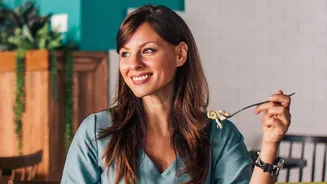
their own company at a restaurant is no longer an anomaly. This isn't a niche trend; it's a reflection of deeper societal shifts. Urban lifestyles, demanding work schedules, and a growing emphasis on self-care and personal time are fuelling this movement. For many, a solo meal is a deliberate act of freedom—a chance to eat what they want, when they want, without compromise or conversation. This shift from self-consciousness to self-directed solitude is pushing the hospitality industry to pay attention to a customer segment they can no longer afford to ignore.
From Awkwardness to Aspiration
What changed? A key driver is the simple desire for personal space in a bustling metropolis. As one DevOps engineer noted, professionals in corporate hubs like Gurgaon and Noida have long normalized the culture of eating alone. What's new is the spread of this mindset and its reframing as an aspirational act. Social media has played a significant role, with posts and vlogs transforming solo dining from a private moment into a shared, cinematic experience. The stigma is fading, replaced by a narrative of empowerment and independence. For many women, in particular, choosing to dine alone is also an act of reclaiming public spaces safely and on their own terms, challenging old perceptions.
The Restaurant's New Playbook
Smart restaurants across the NCR are moving beyond simply accommodating solo diners to actively courting them. The most visible change is in seating. Gone are the days when a single diner was awkwardly placed at a large, empty table. Instead, establishments are integrating comfortable single seats at bars, well-designed counter seating with views of the open kitchen, and even communal tables that offer a sense of inclusion without forced interaction. Fine-dining establishments are training staff to read intent—understanding that some solo guests desire quiet privacy while others might welcome a brief chat. The focus is on making the solo diner feel celebrated, not just tolerated.
A Menu for One, Please
The innovation extends directly to the menu. The classic challenge for a solo diner has always been portion size; wanting to try multiple dishes without over-ordering or wasting food. Chefs are responding creatively. Many restaurants, like Comorin and Zuki in the NCR, have consciously introduced smaller, tasting-style portions, half-plates, and mix-and-match add-ons. Set menus and tasting menus, once exclusively for groups, are now being recalibrated for individuals. This allows a single person to experience the breadth of a chef's offerings without compromise. This isn't just a courtesy; it's good business. Reports show that solo diners often spend more per person than groups and can become intensely loyal customers when they feel valued.
More Than Just a Meal
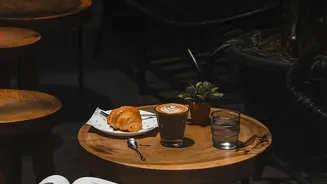
The experience of dining alone is fundamentally different. Without the distraction of conversation, the focus shifts entirely to the food, the ambiance, and one's own thoughts. Solo diners are often more observant, more engaged with the culinary experience, and more likely to appreciate the nuances of service. Restaurants that understand this are thriving. They create environments that feel like community spaces—places where one can work, read, or simply people-watch without feeling out of place. Cafés, in particular, have been quick to adapt, offering a relaxed setting that feels more like a welcoming dining room than a formal restaurant, fostering a sense of belonging even when you're alone.