





The 2026 Monsoon Anomaly
By all accounts, the 2026 monsoon has been a disappointment for Mumbai. After a delayed onset, the rains have been patchy and weak, a stark contrast to the city's usual deluge. Reports from late August indicate that India is on course for its weakest
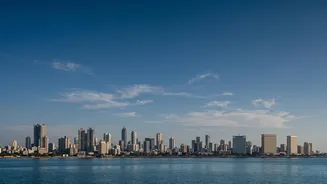
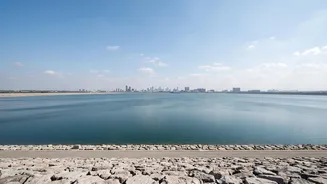
monsoon in nearly two decades, with rainfall potentially ending the season around 15% below the long-term average. This national deficit has been acutely felt in Mumbai, where the season began with water cuts as early as May and June due to alarmingly low levels in the seven lakes that quench the city's thirst. In mid-June, reservoir levels had plummeted to just over 10% of their total capacity.
A Tale of Two Extremes
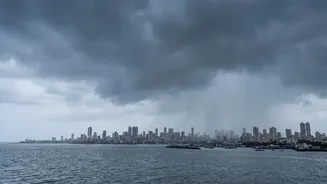
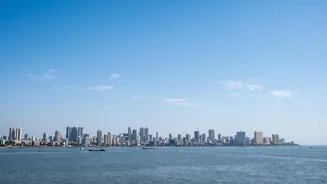
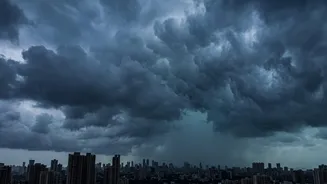
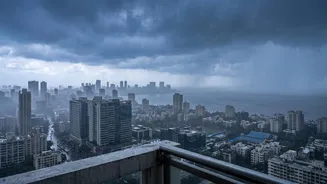
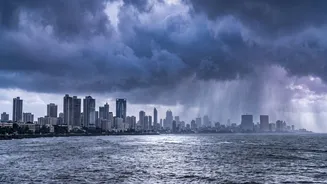
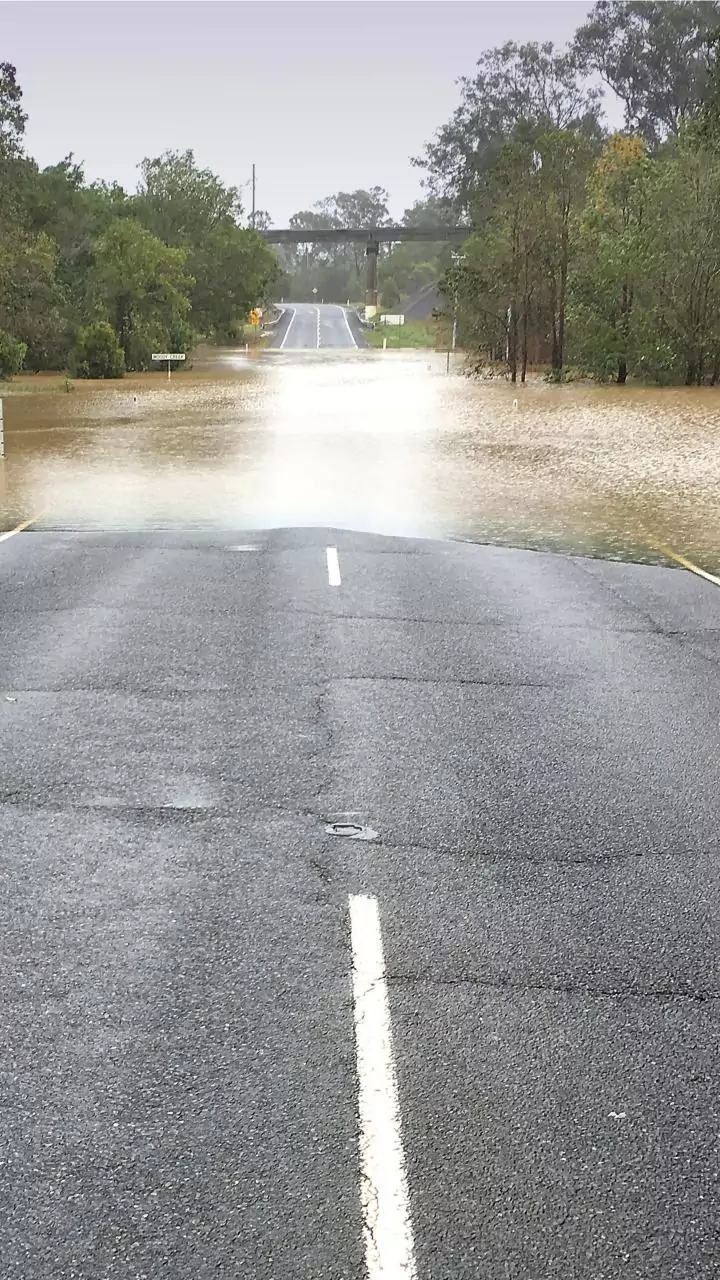
The peculiarity of Mumbai's recent weather isn't just about weak rains; it's about the volatile swings between extremes. The 2026 season itself has been a classic example of this 'whiplash' effect. A severely dry and delayed start in June led to a water crisis, only to be followed by intense, short bursts of heavy rain in early July that caused widespread waterlogging. Scientists point out that this is the new, worrying pattern: fewer overall rainy days, but more days of extreme, intense downpours. So while the total volume of rain might look similar on paper over a season, it arrives in destructive bursts rather than sustained, soaking spells, creating a dual crisis of both floods and water scarcity.
What the Scientists Say
So, is the pattern shifting? The consensus among climate scientists is a clear, if complex, yes. The primary driver is climate change, which is fundamentally altering the behaviour of the Indian monsoon. A warmer atmosphere and record-hot Arabian Sea surface temperatures mean the air can hold more moisture. This leads to longer dry spells followed by sudden, intense rainfall. While the El Niño phenomenon is a factor in delaying the monsoon's onset and reducing the number of rainy days, experts now argue that climate change is the dominant force intensifying the rain when it does arrive. As one scientist put it, El Niño and climate change can no longer be viewed independently; one delays the rains, while the other makes them more ferocious.
The Tangible Impact: Water Woes
For the average Mumbaikar, this shift is not an abstract scientific concept but a daily reality. The city's almost complete dependence on its seven rain-fed lakes makes it incredibly vulnerable to these erratic patterns. The weak start to the 2026 monsoon forced the Brihanmumbai Municipal Corporation (BMC) to impose water cuts of 10-20% as reservoir levels dipped to their lowest in recent memory. Even when the rains came in furious bursts in July, they often resulted in flash floods in the city rather than a steady replenishment of the catchment areas of the lakes located further away. This leaves the city in a precarious position, lurching from fears of drought to the reality of deluge, often in the same season.
An Increasingly Unpredictable Future
The trend isn't just a 2026 problem. Long-term data shows a clear pattern of increasing rainfall intensity. One analysis noted that average monsoon rainfall in Mumbai increased by nearly 15% between 2001 and 2024 compared to the previous two decades. Projections suggest this will only intensify, with coastal Maharashtra expected to experience almost an additional week of heavy rainfall in the near future. The question is no longer if Mumbai's weather is changing, but how the city will adapt to a future where the monsoon is less a predictable, life-giving season and more a volatile and extreme force.