







The Problem with Dampness
When humidity levels in your home consistently rise above 60%, it creates the perfect breeding ground for mould, mildew, and dust mites. These unwelcome guests can trigger allergies, cause respiratory issues, and leave a persistent musty odour on clothes
and furniture. High humidity makes the air feel warmer and stickier, causing discomfort, fatigue, and even dehydration. The moisture can also cause long-term damage to your home, causing wood to swell and paint to peel. The goal is to keep indoor humidity between 40% and 50% for optimal comfort and health.
Mastering Your Windows: The Right Time to Ventilate
Opening windows seems like a simple solution, but timing is everything. Opening them when it's raining or when the air outside is hotter and more humid than inside will only make things worse. The strategic moment to open your windows is when the outdoor air is cooler and drier. This is often in the early mornings, late evenings, or after a rain shower has passed and cooled the air. Creating cross-ventilation by opening windows on opposite sides of the house for just 10-15 minutes can effectively flush out stale, moist air and replace it with fresher, drier air. Pay attention to the dew point, a measure of absolute humidity; if the dew point outside is lower than inside, opening windows will help dry out your home, even if the relative humidity percentage seems high.
Harnessing Fan Power: More Than Just a Breeze
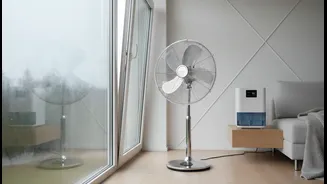
Fans don't actually cool the air or remove moisture, but they are a powerful tool for managing humidity. Their primary function is to improve air circulation. Ceiling fans create a wind-chill effect on your skin, helping sweat evaporate and making you feel cooler. More importantly, this constant air movement prevents moist, stagnant air from settling in corners and behind furniture, which are prime spots for mould growth. You can also use pedestal or table fans strategically to direct damp air out of an open window, especially when outdoor conditions are favourable. This creates an effective exhaust system, pulling moisture out of a room.
The Unsung Hero: Your Exhaust Fan
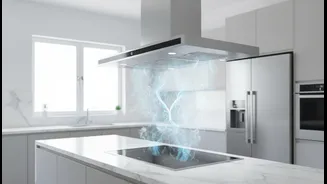
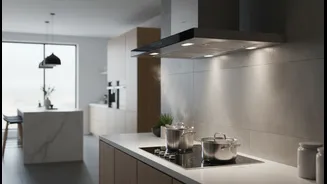
Kitchen and bathroom exhaust fans are your most powerful allies in the fight against moisture. These are the two rooms where the most moisture is generated through activities like cooking and showering. Make it a habit to run the exhaust fan every time you cook or bathe, and leave it on for 15-20 minutes afterwards to ensure all the steam and moist air is vented directly outside. This single action prevents a huge amount of humidity from spreading throughout the rest of your home. Ensure your vents actually lead outside and are not blocked or painted shut, a common issue that renders them ineffective.
A Combined Strategy for a Drier Home
The most effective approach is to use these tools in combination. Think of it as choreographing your home's airflow. After a shower, run the bathroom exhaust fan while keeping the bathroom door closed to contain the moisture. In the living room, a ceiling fan can keep air circulating to prevent that stuffy feeling. When you notice the evening air is cool and dry, open windows on opposite ends of the house and use a table fan to accelerate the air exchange. For particularly stubborn areas like closets, you can use moisture-absorbing materials like silica gel packs or activated charcoal to supplement your ventilation efforts. By using windows, fans, and exhausts with purpose, you can actively manage your home's environment.