






Why Leaks Are Priority Number One
Before you even think about scheduling tasks like painting or pest control, your focus must be on water. A small, undetected leak can lead to significant structural damage, warped floors, peeling paint, and the growth of harmful mould and mildew. These
issues are not only expensive to fix but can also create unhealthy living conditions for your tenants and potentially lead to legal liabilities. In a climate like India's, with heavy monsoon seasons, the risk of water ingress and damage is even higher. By tackling potential leaks first, you move from a reactive to a proactive maintenance strategy, saving money and preserving the long-term value of your property.
Your Proactive Leak Inspection Guide
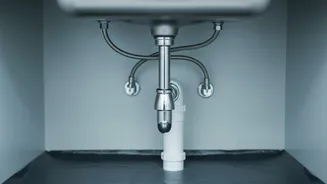
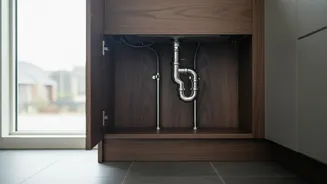
A thorough leak inspection should be the cornerstone of your maintenance plan. Start by checking the most common problem areas. Inside, inspect under sinks in kitchens and bathrooms, around toilets, and near appliances like washing machines and water heaters for any signs of moisture or drips. Look for visible signs of damage on walls and ceilings, such as water stains, discolouration, or bubbling paint, which can indicate hidden leaks from pipes or the roof. Outside, your inspection should include the roof for any damaged tiles or cracks and ensuring that gutters and downspouts are clear and directing water away from the foundation. Given the prevalence of flat roofs on many Indian homes, checking for proper slope and sealing before the monsoon is critical.
Building Your Annual Maintenance Calendar
Once you've addressed any potential leaks, you can build a comprehensive maintenance calendar around this foundation of water-tightness. Organise tasks by frequency to stay organised. Monthly checks should include testing smoke detectors and visually inspecting for new leaks or signs of pests. Quarterly tasks could involve cleaning HVAC filters to ensure efficiency and checking for mould in damp areas like bathrooms. Biannual tasks should focus on seasonal preparation, such as deep cleaning gutters before the monsoon and servicing the heating system before winter. Annually, schedule major tasks like flushing the water heater to remove sediment, inspecting for exterior cracks, and deep cleaning the entire property.
Seasonal Tasks for Indian Homes
Tailoring your calendar to the Indian climate is essential. Pre-monsoon (May-June) is a critical period. This is the time to double-check roof waterproofing, seal any cracks in external walls, and ensure all drains and gutters are completely clear to handle heavy rainfall. Post-monsoon (October-November), inspect for any water damage that may have occurred, check for dampness in walls, and apply anti-fungal treatments where necessary. During the peak of summer, ensure cooling systems like ACs and coolers are serviced, and check that water pumps and tanks are functioning correctly to handle increased demand. In winter, particularly in northern regions, check water heaters and geysers for safe operation and seal any drafts around windows and doors.
Making Tenants Your Maintenance Partners
Your tenants are your eyes and ears on the property. Educating them is a crucial part of your maintenance strategy. Provide a simple guide on what to look for, such as a dripping tap, a slow drain, or a musty smell, and encourage them to report these minor issues immediately. When tenants understand that prompt reporting prevents bigger problems for everyone, they are more likely to cooperate. Ensure they know the location of the main water shut-off valve in case of an emergency. A good landlord-tenant relationship built on clear communication about maintenance can be one of your most effective tools in protecting your property.