







The New Battleground for Indian Retail
The fight for the Indian shopper has entered a new phase. While giants like Amazon and Flipkart once defined the e-commerce landscape, the arena has expanded dramatically. Today, the competition is not just about who offers the best price on a smartphone,
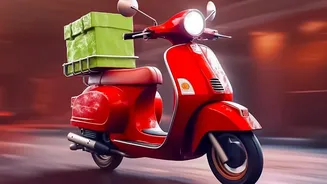
but who can create the most engaging and convenient experience. We are seeing the rise of multiple 'shopping channels' that cater to different consumer habits. These include quick commerce platforms promising delivery in minutes, social commerce apps that leverage community and trust, and live commerce, where influencers showcase products in real-time. This shift reflects a market that is maturing beyond simple transactions and moving towards experience-led, interactive purchasing. This evolution is attracting significant investor attention, as venture capitalists and corporate funds look to back the models that will define the future of Indian retail.
Who's Pouring in the Money, and Why?
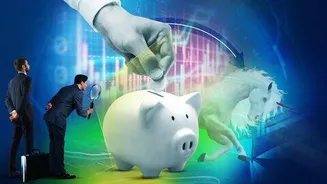
Venture capital is flowing into startups that are innovating across these new channels, even as investors demand a clearer path to profitability than in previous years. The focus is on companies that are mastering specific niches, from hyper-value platforms like Meesho to quick-commerce leaders and specialized live commerce startups. This investment surge is driven by the massive untapped potential in the market. With India's online shopper base projected to grow from around 300 million in 2025 to over 420 million by 2030, the race is on to capture the next wave of consumers. Investors are betting on business models that can effectively reach and serve these new shoppers, who often have different needs and expectations than the first generation of urban e-commerce users.
Beyond the Metros: The Tier-2 and Tier-3 Prize
Much of this new competitive energy is directed at India’s Tier-2 and Tier-3 cities. These non-metro areas are now the primary drivers of e-commerce growth, contributing to a majority of new users and orders. Consumers in cities like Jaipur, Lucknow, and Coimbatore are increasingly comfortable shopping online, driven by rising disposable incomes and greater digital access. However, their preferences often differ from their metro counterparts. They tend to have a higher trust in community recommendations, a preference for regional language content, and greater price sensitivity. Recognizing this, companies are tailoring their strategies, with platforms like Meesho and the government's Open Network for Digital Commerce (ONDC) aiming to lower entry barriers for smaller sellers and cater to value-conscious buyers from these regions. Success in this market isn't just about logistics; it's about understanding local culture and building trust.
The Rise of Social and Live Commerce
Two of the most dynamic new channels are social and live commerce. The social commerce market in India is expected to grow exponentially, reaching over $140 billion by 2030. This model, popularized by platforms like Meesho, leverages social networks and community trust, turning friends and family into a sales network. It’s particularly effective in Tier-2 and Tier-3 cities where word-of-mouth is a powerful purchasing driver. Simultaneously, live commerce—think of it as a modern, interactive version of television shopping hosted on social media—is set to become an $8 billion sector, largely powered by Gen Z. Influencers and creators play a pivotal role here, demonstrating products and building a direct, trustworthy connection with viewers that often leads to impulse purchases, especially in categories like fashion and beauty.
What This Means for Your Shopping Cart
For the average consumer, this escalating competition translates into more choices, new ways to shop, and potentially better prices. The rise of quick commerce means groceries and other essentials can be delivered in under 30 minutes, a service that is rapidly expanding beyond the top metro cities. Social and live commerce offer a more engaging and discovery-led shopping experience, where you might find unique products recommended by a trusted creator. This intense competition is forcing all players, from large marketplaces like Amazon and Flipkart to emerging startups, to innovate on everything from delivery speed to the shopping experience itself. As these different channels vie for your attention and wallet, the way Indians shop is being fundamentally and excitingly rewired.