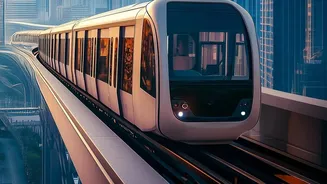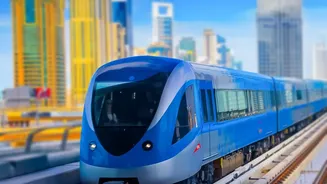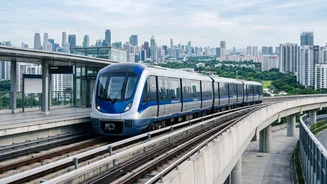




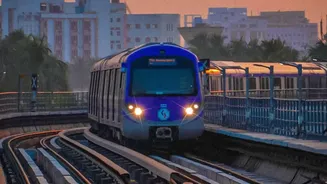
A Landmark Day for Automation
On Monday, November 2, 2026, during the busy pre-Diwali travel rush, the Delhi Metro's automated lines recorded a staggering 1.6 million passenger journeys in a single day. This impressive figure, achieved on the Magenta and Pink Lines, meant that approximately
one in every five commuters on the entire Delhi Metro network that day travelled on a driverless train. To put the number in perspective, it exceeds the entire population of a state like Arunachal Pradesh, according to census data. This wasn't just a busy day; it was a significant vote of confidence from the public in a technology that has been operational in India for only about six years.
The Technology Behind the Record
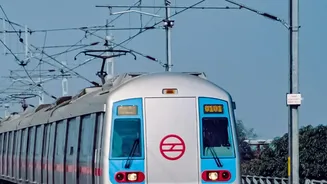
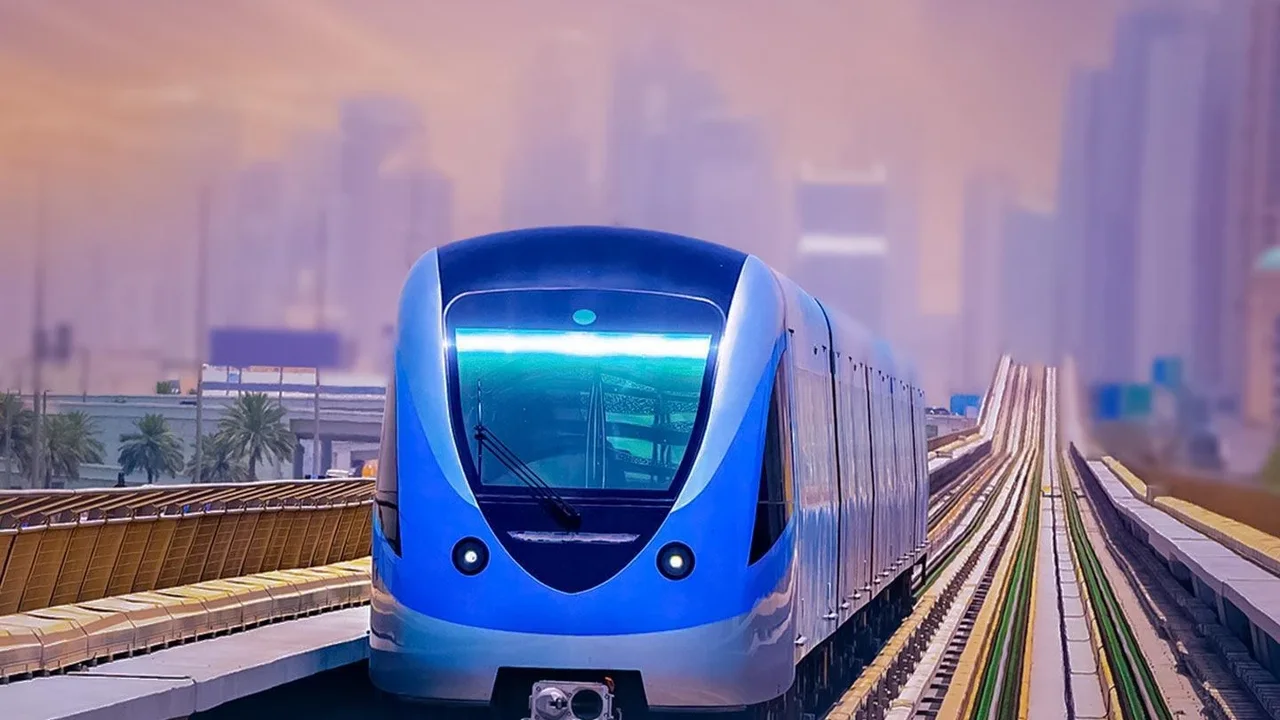
The record was set on the two corridors where Delhi Metro Rail Corporation (DMRC) runs its Unattended Train Operation (UTO) system. These are not simply trains without a driver's cabin; they represent the highest grade of automation, GoA 4, where trains are controlled and monitored entirely from a central command centre. This technology eliminates the possibility of human error, allows for higher frequency of trains, and increases service flexibility. The driverless system, which first launched on the Magenta Line in December 2020, has since expanded to the Pink Line, creating a combined network of nearly 97 kilometres—one of the largest driverless systems in the world.
Growing Public Trust and Acceptance
Six years ago, the idea of a train running without a driver might have seemed like science fiction to many commuters. Today, the 1.6 million journeys on November 2 signal a profound shift in public perception. The reliability and safety of the automated system have won over Delhi's commuters. Vikas Kumar, the Managing Director of DMRC, noted that the reliability of these trains has significantly improved due to exhaustive self-tests performed before each service run. This record-breaking day demonstrates that passengers are not just using the service out of necessity but have grown to trust its efficiency and safety, choosing it for their daily commute in massive numbers.
The Path to a Driverless Future
Delhi Metro's journey to this milestone began with the launch of India's first driverless service on the Magenta Line in late 2020. This was followed by the conversion of the 59-kilometre Pink Line to driverless operations in 2021. Currently, about 100 UTO trains operate across 120 km of track, making up nearly 29% of the entire network. And this is just the beginning. DMRC plans to expand the driverless network to 198 km as ongoing expansion projects are completed. The success has sparked a national debate, with proponents like DMRC's MD suggesting it's time for other metro systems in India's 26 cities with metro services to follow suit.
What This Means for India
This ridership record is more than just a Delhi-centric achievement. It serves as a powerful case study for the rest of the country. As India continues to rapidly urbanise, efficient, reliable, and modern public transport is critical. The success of Delhi's driverless network offers a blueprint for other cities to consider. While there are debates around the higher initial costs and the impact on employment, DMRC has stated that train operators have been redeployed to other crucial roles like station management, not laid off. This milestone could accelerate the adoption of automated technology in metro projects across India, paving the way for smarter, safer, and more sustainable urban mobility for millions.