



The Soul of Pujo on a Plate
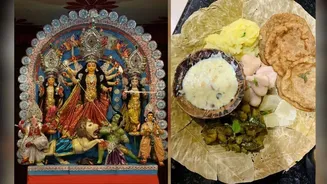
For Bengalis and devotees everywhere, Durga Puja is incomplete without the communal sharing of 'bhog'. This sacred meal, first offered to the Goddess, is more than just food; it's a symbol of purity, togetherness, and devotion. At the heart of this feast
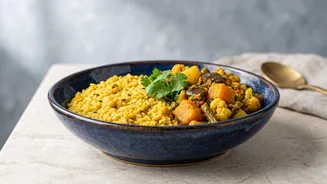
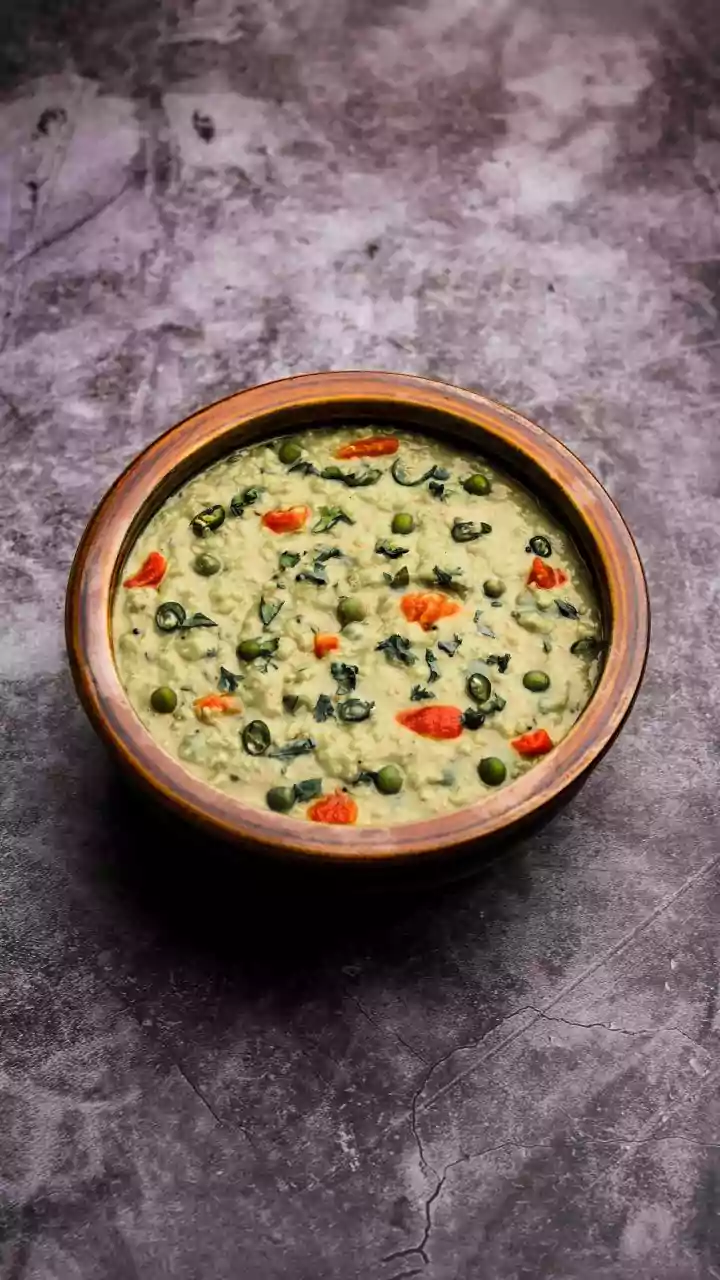
are two iconic dishes: Bhoger Khichuri and Labra. The Khichuri, a wholesome mix of roasted moong dal and fragrant Gobindobhog rice, is considered 'sattvik' or pure food, fit for the divine. It represents simplicity and nourishment. Paired with it is Labra, a medley of seasonal vegetables cooked together, symbolising unity in diversity—much like the festival itself, which brings together people from all walks of life. This combination isn't just a meal; it's an edible memory that tastes of home and heritage.
Quick-Start Preparation Guide
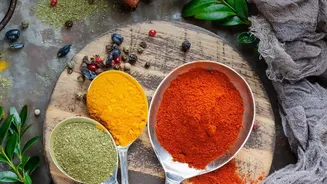
The secret to a 'fast and easy' Bhog lies in the preparation. Before you start cooking, get your 'mise en place' or ingredients ready. First, dry roast the sona moong dal in a pan on low heat until it turns light golden and aromatic. Then, wash the dal and the Gobindobhog rice separately and set them aside. For the Labra, chop a variety of vegetables. Traditionally, this includes potatoes, pumpkin, brinjal, cauliflower, and carrots. Cut the pumpkin and brinjal into slightly larger chunks as they cook faster. Frying the potatoes and cauliflower florets in mustard oil until golden brown before adding them to the main dish enhances their flavour and texture. Having your spices, like ginger paste, turmeric, cumin powder, and whole garam masalas (cinnamon, cloves, cardamom, bay leaves) measured and ready will make the cooking process smooth and seamless.
The Star: Bhoger Khichuri Recipe
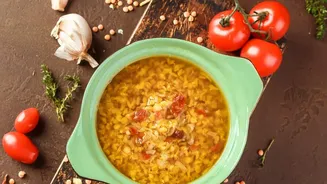
To begin, heat ghee or mustard oil in a large, heavy-bottomed pot. Temper the oil with whole spices like bay leaves, cinnamon, cardamom, cloves, and cumin seeds. Once they crackle, add ginger paste and saute until the raw smell disappears. Add powdered spices like turmeric and cumin powder, followed by chopped tomatoes and green chillies, cooking until the tomatoes soften. Now, add the washed rice and roasted dal, and sauté for a couple of minutes to coat them with the spices. Pour in about 5-6 cups of hot water, add salt and a touch of sugar for that authentic Bengali taste, and bring to a boil. Add fried vegetables like potatoes and cauliflower florets along with some green peas. Cover and cook on low heat, stirring occasionally, until the rice and dal are soft and have reached a thick, porridge-like consistency. The final dish should be creamy and flavourful.
The Perfect Partner: Labra Recipe
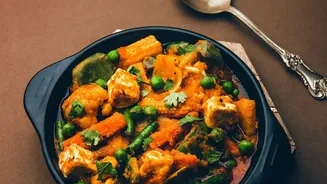
Labra is the perfect accompaniment, and it's cooked in a similar spirit. Heat mustard oil in a pan and add 'panch phoron'—the quintessential Bengali five-spice blend. Let it sputter before adding bay leaves and dried red chillies. Add the harder vegetables like potatoes and carrots first, frying for a few minutes. Follow with the other vegetables like pumpkin, brinjal, and cauliflower. Add ginger paste, turmeric powder, salt, and a little sugar, mixing everything well. Cover and cook on a low flame, allowing the vegetables to release their own moisture. You may need to add a splash of water to prevent sticking. The key to a good Labra is that all vegetables should be soft and well-cooked but still hold their shape, creating a harmonious, lightly spiced jumble that perfectly complements the rich Khichuri.
Tips for a Divine Flavour
To elevate your home-cooked bhog to a pandal-like experience, a few final touches make all the difference. Use Gobindobhog rice if possible; its unique aroma is the soul of a true Bengali Khichuri. Don't skip dry roasting the moong dal, as this imparts a crucial nutty flavour. Since Bhoger Khichuri is traditionally 'niramish' (vegetarian), no onions or garlic are used, allowing the subtle spices to shine. A generous dollop of ghee stirred in at the end of cooking both the Khichuri and the Labra adds a final layer of richness and an irresistible aroma. For an extra touch of festivity in the Khichuri, you can fry some cashews and raisins and add them along with the vegetables. These small details transform a simple meal into a divine offering.