
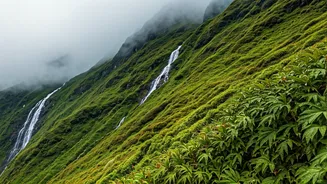


The Science of a Rain Shadow
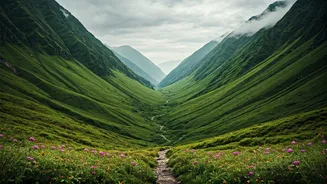
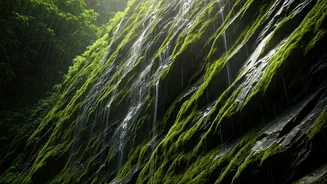
Imagine the great Himalayan range as a colossal wall. As moisture-laden monsoon clouds travel north from the Indian Ocean, they are forced to climb this massive barrier. As the air rises, it cools and condenses, dumping all its rain on the southern, windward
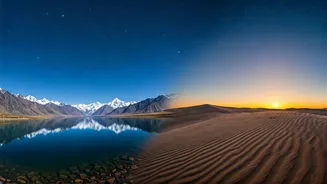
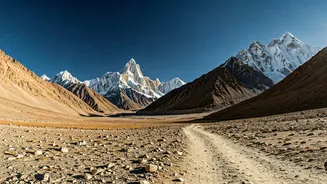
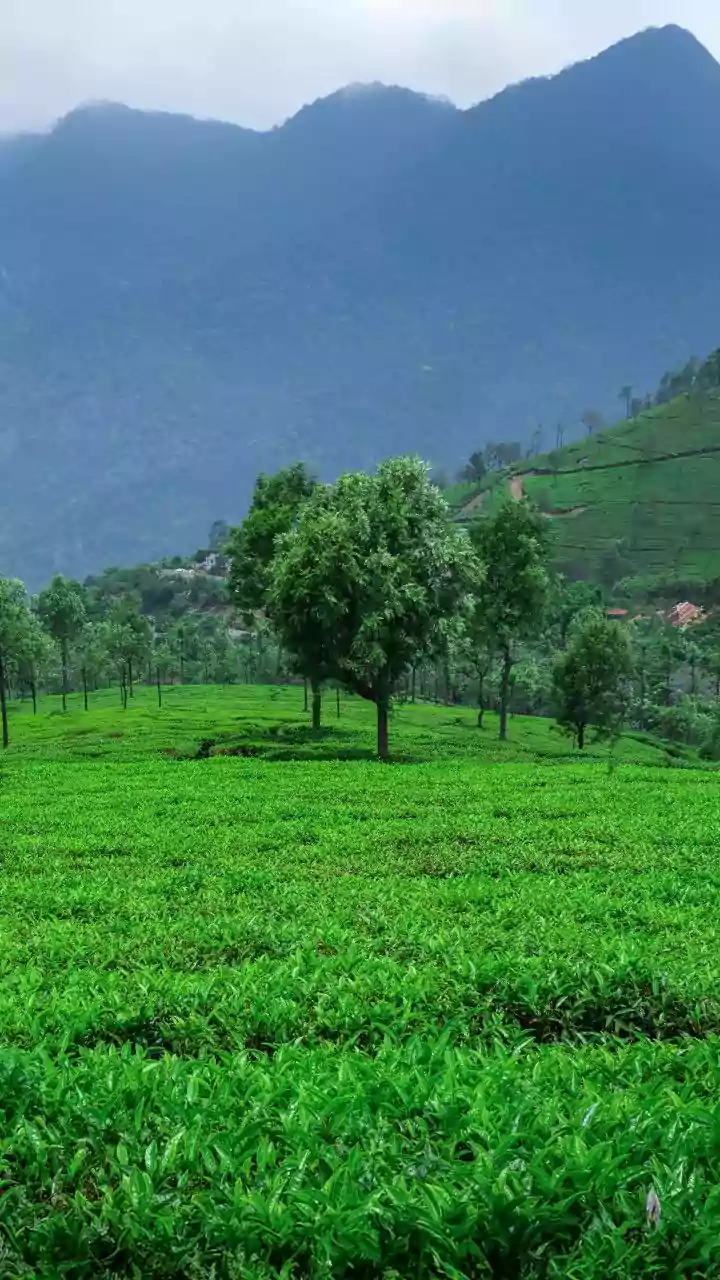
slopes. Think of the lush greenery of Himachal Pradesh or Uttarakhand during the rains. But once these clouds cross over the highest peaks to the other side—the leeward side where Ladakh lies—they have little to no moisture left. This phenomenon creates what is known as a 'rain shadow effect,' resulting in an arid, cold desert landscape. While the rest of the subcontinent is drenched from June to September, Ladakh receives minimal rainfall, experiencing clear blue skies and dry terrain that are ideal for trekking.
Why This Creates Perfect Trekking Conditions
The absence of rain translates into several key advantages for adventurers. First and foremost is trail stability. Treks in Ladakh are not plagued by the slippery mud, landslides, and flash floods that can make monsoon trekking in other Himalayan regions dangerous and unpredictable. The paths remain firm and accessible. Second, the visibility is extraordinary. The dry air provides crisp, unobstructed views of the dramatic, barren mountains, jagged peaks, and the deep blue skies that Ladakh is famous for. This allows for breathtaking photography and a true sense of scale and wilderness. Finally, it creates a reliable trekking season. You can plan a trip to Ladakh between June and September with a high degree of confidence that your plans won't be washed out, a luxury rarely afforded elsewhere in India during these months.
Iconic Monsoon-Proof Treks
Ladakh's unique climate opens up a world of legendary trails. The Markha Valley trek, often called the 'tea-house trek' of Ladakh, is a classic choice. It combines stunning landscapes with deep cultural immersion, as you pass through remote villages, ancient monasteries, and across high mountain passes like Ganda La and Kongmaru La. For those seeking a shorter but equally rewarding experience, the Sham Valley Trek, or 'baby trek,' is perfect for beginners and for acclimatization. It winds through picturesque villages in the lower Indus Valley. For a more challenging adventure, the Stok Kangri base camp trek (note: summiting is now restricted for ecological reasons) offers a taste of high-altitude mountaineering amidst a mind-blowing moonscape. These treks showcase the region's stark beauty, from green oases in valley floors to the colourful, prayer-flag-draped passes above.
Beyond the Weather: What to Expect
While the dry weather is a major draw, trekking in Ladakh is about much more. It's an encounter with a unique high-altitude desert ecosystem and a rich Tibetan-Buddhist culture. The landscape is a canvas of ochre, brown, and grey mountains, starkly contrasted by pockets of vibrant green from barley fields near glacial streams. You'll pass by ancient gompas (monasteries) perched precariously on cliffsides, their interiors filled with serene murals and the low hum of chanting monks. However, the 'high-altitude' part of the equation cannot be ignored. Leh, the main starting point, sits at over 11,500 feet. Proper acclimatization is not just recommended; it's mandatory. Plan to spend at least two to three days in Leh or a similar altitude, drinking plenty of water and taking it easy before starting any trek. This preparation is key to safely enjoying everything this incredible region has to offer.