

What Exactly Is a Hydrogen Train?
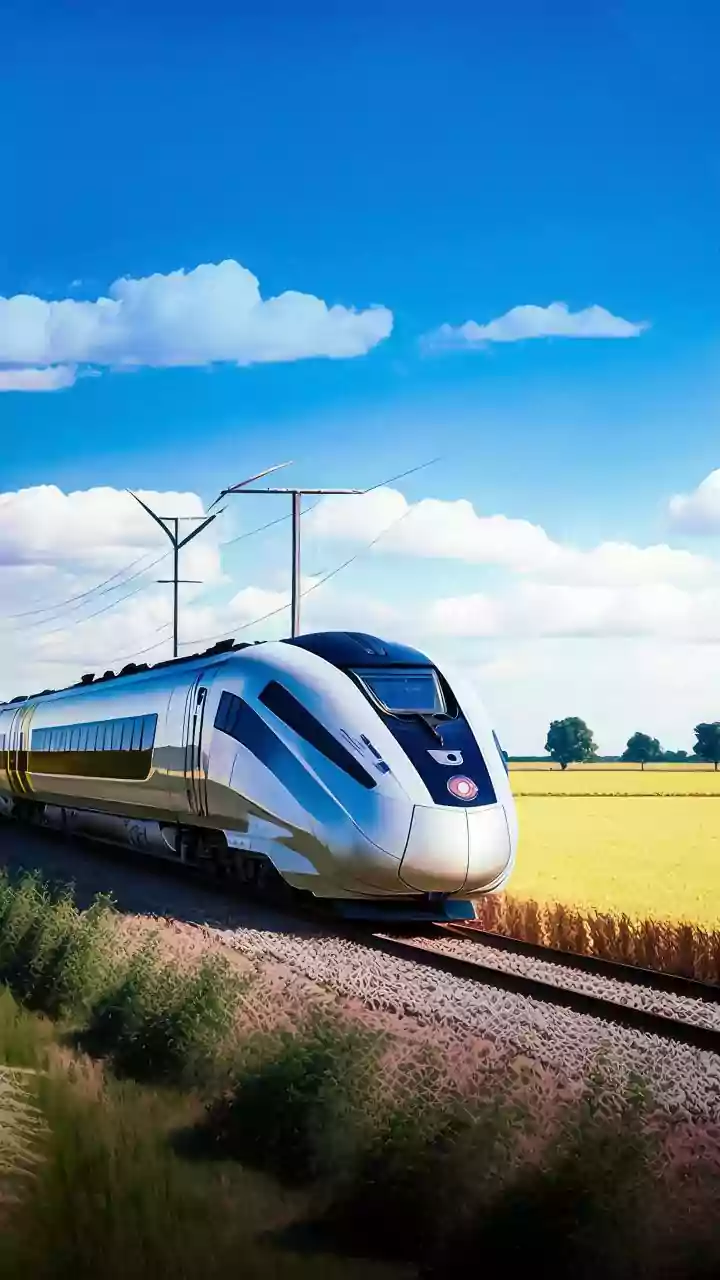
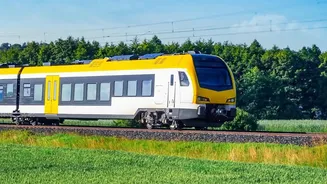
At its heart, a hydrogen train is an electric train that carries its own power plant. Instead of drawing electricity from overhead wires, it uses hydrogen stored in high-pressure tanks, typically on the roof. This hydrogen is fed into a fuel cell, where
it combines with oxygen from the air in an electrochemical reaction. This process generates electricity to power the motors, with the only byproduct being pure water vapour. The system also includes batteries that store energy captured during braking, providing a power boost for acceleration. This technology allows for zero-emission travel without the need for costly and visually intrusive electrification infrastructure, a key advantage for many routes.
The 'Green' in Green Hydrogen
Not all hydrogen is created equal. The environmental benefit of these trains hinges on how the hydrogen fuel is produced. While most hydrogen today is derived from fossil fuels ('grey' or 'blue' hydrogen), 'green' hydrogen is different. It is produced through electrolysis—a process that splits water into hydrogen and oxygen—using electricity generated from renewable sources like solar or wind power. India's National Green Hydrogen Mission is actively promoting this method to ensure the entire energy cycle is clean. By fueling its trains with green hydrogen, Indian Railways can achieve a truly zero-carbon footprint, moving beyond simply shifting emissions from the locomotive to a distant power plant. This commitment is crucial for the technology to deliver on its full environmental promise.
A Perfect Match for India's Heritage Routes
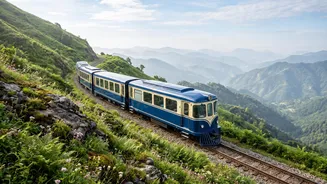
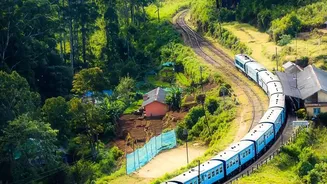
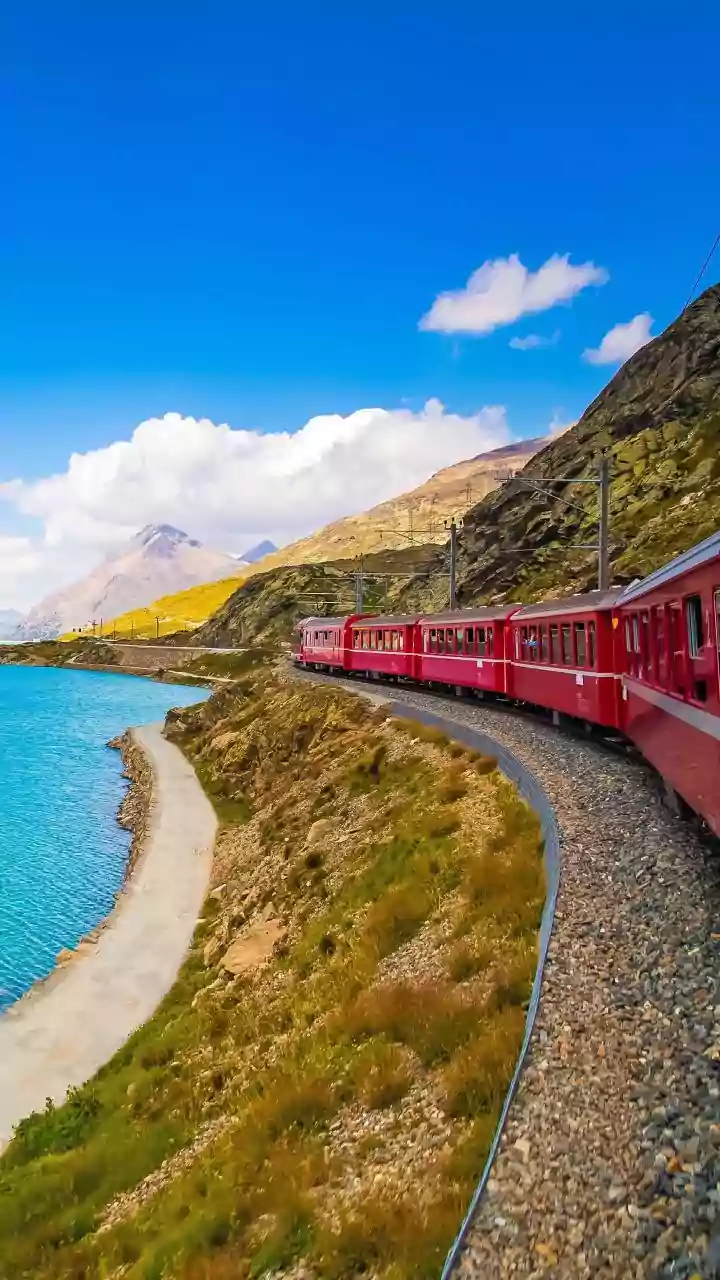
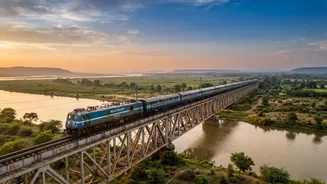
India's iconic heritage railways, like the Kalka-Shimla line, traverse some of the country's most breathtaking and delicate landscapes. These routes, often narrow-gauge and winding through tunnels and steep gradients, present significant challenges for electrification. Running diesel locomotives in these pristine environments, however, causes air and noise pollution, detracting from their natural charm. Hydrogen trains offer an ideal solution. They require no overhead lines, preserving the scenic beauty of UNESCO World Heritage sites and other tourist corridors. Recognizing this, Indian Railways has identified its heritage routes as prime candidates for its "Hydrogen for Heritage" initiative, aiming to replace ageing diesel fleets and offer a quieter, cleaner travel experience for tourists and locals alike.
Beyond Emissions: The Silent Advantage
The benefits of hydrogen trains extend beyond just clean air. Compared to the roar of a diesel engine, fuel cell trains are remarkably quiet, producing only a low hum from their electric motors and compressors. This reduction in noise pollution is a significant advantage in sensitive wildlife habitats and quiet mountain retreats, minimizing disturbance to both fauna and local communities. Furthermore, since the only emission is water, there are no harmful pollutants like particulate matter or nitrogen oxides, which can harm delicate flora and contribute to acid rain. This makes hydrogen technology not just a climate solution, but also a way to preserve the immediate, local environment in a way that diesel and even extensive construction for electrification cannot.
India's Progress and the Path Ahead
India has already taken concrete steps, launching its first hydrogen-powered train on the Jind-Sonipat section in July 2026 as a pilot project. This indigenously developed train serves as a real-world demonstrator, providing valuable operational data. The experience from this pilot is intended to inform the rollout on more complex heritage routes. However, challenges remain. The high cost of producing green hydrogen, developing refuelling infrastructure, and manufacturing fuel cells at scale are significant hurdles. The Jind-Sonipat train itself has seen low ridership, prompting officials to consider extending the route to improve its viability. Despite these growing pains, the project signals a firm commitment from Indian Railways to explore and adopt next-generation clean energy solutions.