


A World Beyond the Tea Leaf
For centuries, communities in the Himalayan foothills of Uttarakhand and Himachal Pradesh have brewed wellness from the world around them. They steeped flowers, berries, and leaves to create healthful drinks long before 'wellness' was a global trend.
These beverages, known as herbal infusions or 'tisanes', are distinct from traditional tea, which comes from the Camellia sinensis plant. Instead, they represent a rich library of botanical knowledge, using ingredients uniquely shaped by the clean air, high altitudes, and mineral-rich soil of the mountains. This unique origin gives them a character that mass-produced beverages cannot replicate, offering a story in every cup. Now, tea connoisseurs are looking beyond established names and seeking out these authentic, place-based experiences.
The Allure of Authenticity and Wellness
A major driver of this trend is a global shift towards natural, sustainable, and gentle wellness routines. Consumers are increasingly asking where their products come from and favouring those with a transparent story. Himalayan infusions fit this desire perfectly. Many are made from plants that are wild-harvested or grown on small family farms, employing traditional methods of sun-drying and hand-processing that preserve their natural qualities. This connection to place and tradition offers a powerful sense of authenticity. Furthermore, these infusions are deeply rooted in local wellness philosophies. Ingredients are valued not just for taste but for their traditional uses in supporting digestion, immunity, and overall balance, which resonates strongly with today's health-conscious drinker.
Spotlight: The Rising Stars
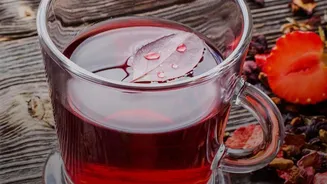
Two infusions, in particular, are leading the charge: Buransh and Seabuckthorn. Buransh, made from the brilliant crimson flowers of the Rhododendron arboreum tree, is a Himalayan spring tradition. The sun-dried petals brew into a fragrant, slightly sweet tea that is traditionally used to support heart health and is rich in antioxidants. Its beautiful colour and delicate flavour make it a captivating and memorable drink. Then there's Seabuckthorn, a hardy berry known locally as 'Himalayan Gold'. Thriving in the high-altitude deserts of Ladakh, these berries are packed with vitamins and omega fatty acids. Seabuckthorn tea, often made from the leaves or dried berries, has a tart, tangy flavour and is gaining significant global market traction as a 'superfruit' ingredient in everything from juices to supplements.
From Local Secret to Global Recognition
The journey from a local remedy to a global connoisseur's choice is also being paved by formal recognition. Take Kangra tea, for instance. While technically a true tea from Camellia sinensis, its unique character is entirely shaped by the Kangra Valley in Himachal Pradesh. It recently earned a protected Geographical Indication (GI) tag from the European Union, a significant milestone that recognises its quality and authenticity in international markets. This official status prevents imitation and elevates its standing, much like Champagne or Parmesan. This type of recognition helps build a bridge for other regional specialities, creating a pathway for unique Himalayan products to find a global audience that values quality and origin.
The High-Altitude Advantage
What makes these plants so special? The answer lies in the altitude. Plants growing in the harsh Himalayan environment—with its intense sunlight, cold temperatures, and thin air—must work harder to survive. This 'stress' causes them to produce higher concentrations of protective compounds, including antioxidants and polyphenols. For tea connoisseurs, this translates directly to more complex and refined flavours. High-altitude teas and infusions are often described as having greater clarity, a smoother finish, and less bitterness. The slow growth cycle allows for deeper character development, resulting in a cup that is both nuanced and expressive of its unique mountain terroir.