







From Traditional Staples to Fortified Choices
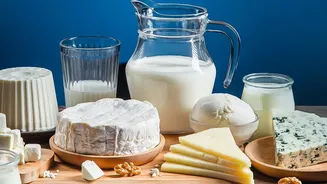
India has always been the world's largest producer and consumer of milk, with dairy products like paneer, ghee, and curd being dietary mainstays for generations. These traditional foods are naturally rich in protein. However, the current trend isn't just
about celebrating existing products; it's about a conscious shift toward value-added and fortified options specifically marketed for their high protein content. This reflects a deeper change in consumer behaviour. While the Indian diet has often been protein-deficient, particularly in urban areas, there is now a growing awareness of its importance for overall health, muscle maintenance, and weight management. This has created a fertile ground for brands to innovate and market dairy products as functional foods that meet specific wellness goals.
The Urban Consumer Driving the Demand
The engine behind this growth is the modern Indian consumer, especially urban millennials and Gen Z. Several factors are fueling their appetite for high-protein dairy. A burgeoning fitness culture, amplified by social media, has made protein a buzzword for an active lifestyle. Rising disposable incomes allow for spending on premium and specialized food products, while hectic urban schedules create a demand for convenient, on-the-go nutrition. Quick-commerce platforms have also played a significant role, making it easier for consumers in both metro and Tier-II cities to access and experiment with new products like protein yogurts and milkshakes. As a result, what was once a niche market for gym-goers is rapidly becoming mainstream.
The Industry Responds: Who is in the Race?
India's dairy giants and agile startups are all vying for a piece of this lucrative market. The milk protein market in India was valued at over USD 404 million in 2024 and is projected to grow significantly. Established players like Amul, Mother Dairy, and Parag Milk Foods are launching new product lines, such as protein-enriched milk, lassi, and paneer. For example, Mother Dairy introduced a 'Pro' range with high-protein milk, while Amul has experimented with protein-fortified snacks. At the same time, newer brands have made a significant impact. Companies like Milky Mist and Epigamia have pioneered categories like Greek yogurt and Skyr, investing heavily in new manufacturing plants to meet soaring demand. These companies are not just selling products; they are selling a lifestyle centered on health and wellness.
Hurdles on the Path to Growth
Despite the positive outlook, the path to growth is not without challenges. Producing high-protein dairy products can be costly, which translates to higher retail prices that may deter some consumers. Furthermore, many of these value-added products require a consistent and reliable cold-chain infrastructure, from manufacturing to the consumer's home, which can be a significant logistical hurdle in a vast country like India. Another key challenge is taste. While consumers want the nutritional benefits, they are unwilling to compromise on flavour. Brands must innovate to create products that are both healthy and appealing to the Indian palate. Finally, as the market grows, so does competition, not just from other dairy players but also from the burgeoning plant-based protein sector.