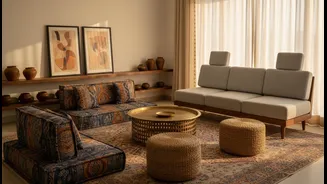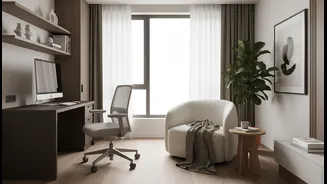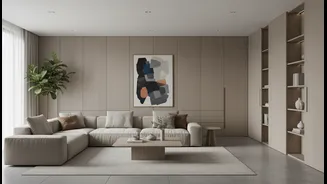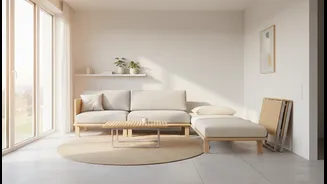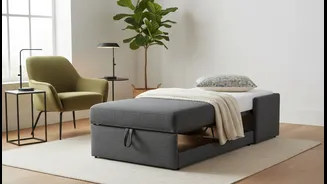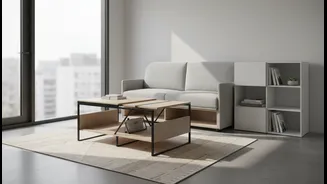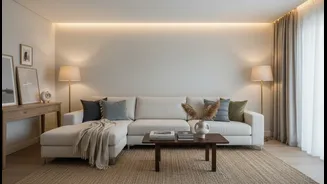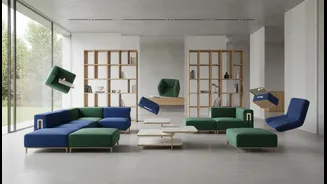






What Exactly is Modular Furniture?
Think of modular furniture as a system of building blocks for your home. It consists of individual, independent units—or modules—that can be combined in various ways to create a customized piece of furniture. Unlike traditional furniture that comes in a fixed
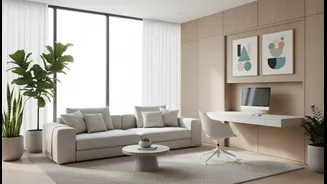
size and shape, modular designs offer unparalleled flexibility. A sofa can be made of several sections: a corner piece, an armless single-seater, and an ottoman. You can arrange them as a large L-shaped couch today, and reconfigure them into a separate two-seater and an armchair tomorrow. This core principle of adaptability applies to everything from shelving units and wardrobes to beds and kitchen cabinets.
The Ultimate Solution for Renters
For anyone who has experienced the pain of trying to pivot a large wardrobe up a narrow staircase or abandoning a piece of furniture because it won't fit in the new flat, modular design is a game-changer. The transient nature of urban living, with frequent moves for work or lifestyle changes, makes modular furniture a practical choice. These pieces can be easily disassembled into smaller, manageable parts, making transportation significantly less stressful and costly. When you arrive at your new home, you're not forced to make a pre-designed piece fit. Instead, you can adapt your furniture to the new floor plan, ensuring it always looks and feels like it belongs.
Maximising Every Square Foot
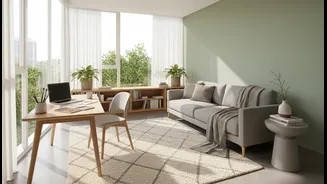
In India's increasingly compact urban homes, every inch of space is precious. Modular furniture is specifically designed to maximize this limited space. Because it's built from components, it can be configured to use awkward corners, stretch vertically up to the ceiling, or fit perfectly into alcoves that standard furniture would waste. Many modular pieces also come with integrated, hidden storage solutions, helping to keep small spaces tidy and organised. A modular bed might include under-seat drawers, while a wardrobe system can incorporate a pull-out study table, creating a multi-functional space within a single footprint. This is a smarter way to furnish a home, making even a small 1BHK feel more spacious and functional.
A Smart Long-Term Investment
While the initial cost of good quality modular furniture might seem higher than some traditional options, it proves more cost-effective in the long run. Instead of buying a new sofa or wardrobe every time you move, you simply reconfigure or add to your existing system. If a single part gets damaged, you often only need to replace that specific module, not the entire piece of furniture. Furthermore, the quality is often built to last, with brands offering durable materials and robust hardware designed to withstand daily use and multiple assemblies. This adaptability and longevity mean you are investing in a furniture system that can evolve with your life's changes, from living alone to starting a family.
What to Look for When Buying
When choosing modular furniture, the first step is to measure your space carefully. Consider not just the floor area but also ceiling height and doorways. Plan for your future needs—will you need to expand the system later? Pay close attention to the quality of materials and hardware like hinges and joinery, as these determine the furniture's durability. In India, it's wise to choose materials that can withstand climatic conditions like humidity. Finally, check the after-sales service and warranty offered by the brand. Reputable brands will offer support for installation and future modifications, ensuring your investment is protected.