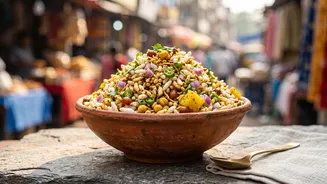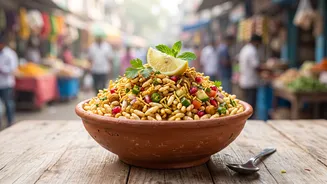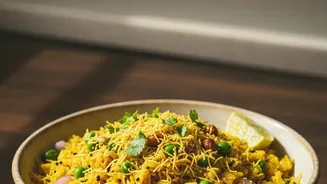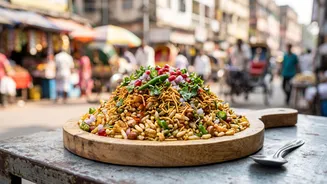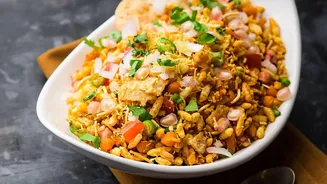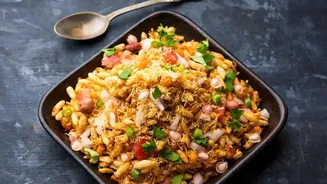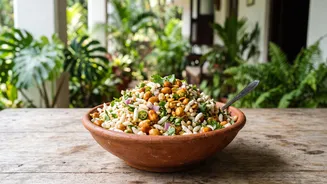


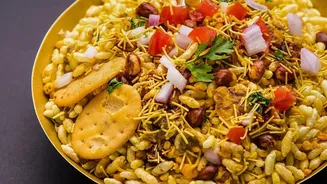
The magic of authentic Bengali Jhalmuri lies in its explosion of textures. While the puffed rice is the star, the humble peanut provides the crucial, satisfying crunch. Here’s how to ensure your peanuts are perfect every single time.
The Soul of the Crunch
In the bustling streets
of Kolkata, where Jhalmuri is more than just a snack, it's an experience, the sound of it being prepared is a symphony. A key part of that symphony is the unmistakable crunch of roasted peanuts. They are not merely a garnish; they are a foundational element. Peanuts provide a rich, nutty flavour that balances the tang of mustard oil and the heat of green chillies. More importantly, their firm texture offers a delightful contrast to the light, airy puffed rice and the soft, yielding potatoes and onions. A Jhalmuri without a proper crunch feels incomplete, and that crunch almost always begins with the peanut.
Selecting Your Peanuts
The journey to the perfect crunch starts at the selection stage. For the most authentic flavour and texture, always opt for raw, skin-on peanuts. While pre-roasted or salted peanuts from a packet might seem like a convenient shortcut, they often lack the fresh, deep-roasted flavour that homemade preparation provides. Packaged nuts can sometimes be stale or have a generic saltiness that can overpower the delicate balance of your Jhalmuri spices. Raw peanuts give you complete control over the roasting process and the final seasoning, ensuring they integrate seamlessly into the dish rather than sitting on top as a separate, pre-flavoured ingredient.
Roasting vs. Frying: The Great Debate
There are two primary schools of thought when it comes to preparing peanuts for Jhalmuri: dry roasting and deep frying. Neither is wrong, but they produce slightly different results. Dry Roasting: This is the most common and arguably healthier method. Roasting the peanuts in a hot pan without oil coaxes out their natural oils and deepens their nutty flavour. The resulting texture is a crisp, firm crunch that is satisfying without being greasy. It’s the classic, go-to method for most home cooks and street vendors. Deep Frying: For those seeking the ultimate, shatteringly crisp texture, deep frying is the answer. Frying the peanuts in hot oil makes them incredibly crunchy and adds a rich mouthfeel. While more indulgent, this method can create a peanut that stays crunchier for slightly longer, even when introduced to the other moist ingredients of the Jhalmuri. The choice depends on your personal preference for flavour and texture.
How to Perfectly Roast Peanuts
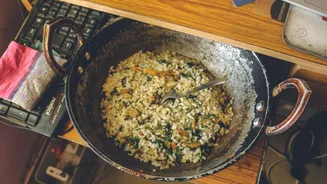
Mastering the roast is simple. Take a heavy_bottomed pan or kadai and place it on medium_low heat. Add your raw, skin_on peanuts and stir them continuously. The key is patience; you want to roast them slowly and evenly. Keep stirring for about 8 to 10 minutes. You will know they are done when the skins start to blister and darken slightly, and you can smell a wonderful roasted aroma. Some skins may even start to come off. Turn off the heat and transfer the peanuts to a plate to cool completely. Do not leave them in the hot pan, as they will continue to cook and may burn. As they cool, they will become perfectly crisp.
The Art of Frying for Maximum Crunch
If you've chosen the path of deep frying, precision is important. Heat a neutral oil, like sunflower or groundnut oil, in a kadai over medium heat. The oil should be hot but not smoking. To test, drop one peanut in; it should sizzle immediately and rise to the surface. Add the peanuts to the oil, being careful not to overcrowd the pan. Fry them, stirring occasionally, for 3_4 minutes until they turn a beautiful golden brown. Remove them with a slotted spoon and place them on a paper towel_lined plate to drain off any excess oil. The peanuts will continue to darken and crisp up as they cool.
To Season or Not to Season?
Once your peanuts are roasted or fried and have cooled slightly, you can add a pinch of salt or a sprinkle of black salt (kala namak). This enhances their flavour and helps them stand out in the mix. Toss the peanuts with the seasoning while they are still warm, which helps it adhere better. However, be mindful of any salt already present in your Jhalmuri masala and other ingredients like chanachur. The goal is to complement, not overpower. Often, a simple, unadorned roasted peanut is all you need.
The Final, Crucial Step: Timing
You have sourced, roasted, and seasoned your peanuts to perfection. Do not let your hard work go to waste in the final moments. The single most important rule for including peanuts in Jhalmuri is to add them at the very last second much as Jhalmuri is a race against time and moisture... Add your crunchy peanuts just before you give the mix its final, vigorous shake and serve immediately... This ensures every spoonful has that satisfying... crunch...