




The Myth of the Off-Season
For decades, the Indian travel calendar was predictable. Tourists flocked to the hills in summer and the beaches in winter, while the monsoon was widely considered the 'off-season'—a time to stay indoors and wait for the skies to clear. But that mindset
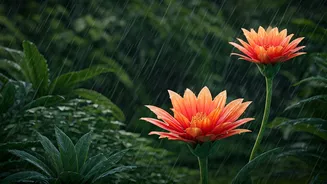
is rapidly becoming a relic. A growing cohort of Indian travellers is now actively seeking out the rains, armed with a new perspective that values atmosphere over activity. This isn't about braving floods; it's about seeing a different, more vibrant side of India. The new rule is simple: the monsoon is not a season to be avoided, but an experience to be embraced.
What is 'Slow Travel,' Really?
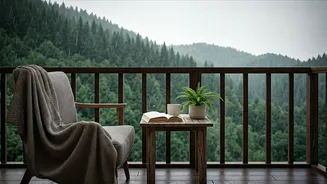
The term 'slow travel' gets thrown around a lot, but its core principle is about connection over collection. It’s the antithesis of the checklist-driven holiday, where the goal is to tick off as many landmarks as possible. Instead, slow travel encourages you to immerse yourself in one place. It means unpacking your bags for more than a night or two, frequenting the same local cafe until the owner knows your order, and spending an afternoon reading on a veranda instead of rushing to the next viewpoint. During the monsoon, this philosophy finds its perfect rhythm. The weather itself encourages a slower pace, making it the ideal time to trade frantic sightseeing for genuine relaxation and discovery.
Going Hyper-Local
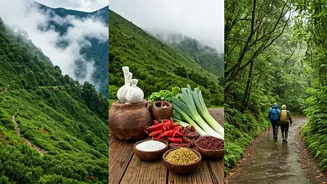
The second pillar of this new travel rule is a deep dive into the local fabric of a place. This shift is steering travellers away from cookie-cutter hotels and towards boutique homestays, heritage properties, and farm stays where the host is often the highlight of the experience. It's about choosing a meal at a family-run eatery over a generic multi-cuisine restaurant, or taking a local cooking class to understand the region's produce. The monsoon amplifies this connection. You might learn to make a seasonal dish with your host, explore a village with a local guide who can point out rain-fed flora, or simply share stories over a cup of chai while watching the downpour. This is travel that builds relationships, not just itineraries.
The Search for Meaning
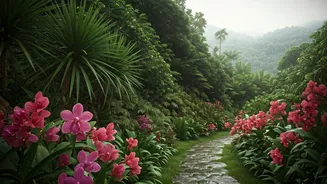
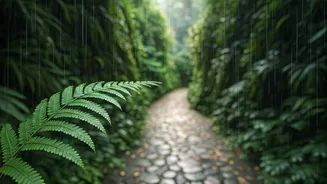
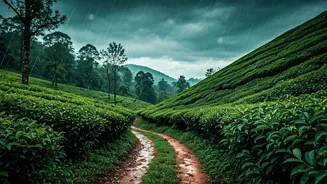
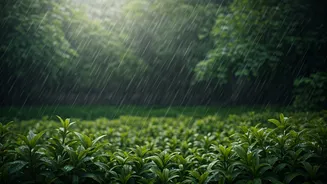
Perhaps the most significant driver of this trend is the search for more meaningful experiences. Post-pandemic, many travellers are looking for more than just an escape; they're seeking rejuvenation, introspection, and a deeper connection with nature and themselves. The monsoon, with its transformative power, provides the perfect backdrop. The world turns a lush, dramatic green, the air is clean, and the sound of rain becomes a meditative soundtrack. Destinations like the backwaters of Kerala, the verdant hills of the Western Ghats, or the quiet hinterlands of Goa become open-air wellness retreats. It’s a chance to disconnect from digital noise and reconnect with the natural world in its most potent form.
Putting the Rule into Practice
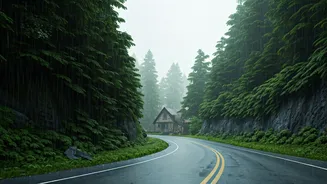
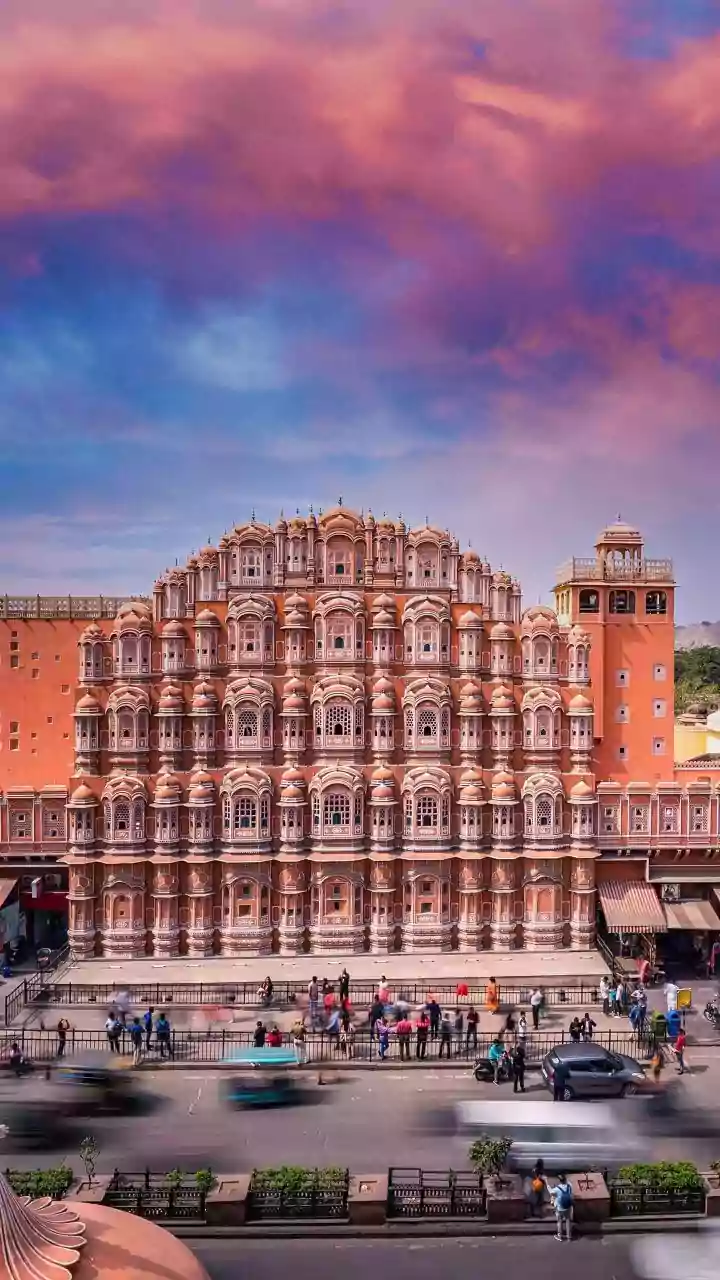
So where does one go to follow this rule? It’s less about a specific pin on a map and more about the mindset you bring. You could find it in a quiet corner of Coorg, renting a cottage surrounded by coffee plantations drenched in mist. It could be in a small village in the Konkan, discovering coastal cuisine and exploring deserted forts. Or it could be in the lesser-seen parts of Rajasthan, watching the Aravallis come alive in a brief but glorious green spectacle. The key is to pick a place and stay put. Let the rhythm of the rain dictate your days. Read, walk, eat, talk, and simply be present. This isn't about doing nothing; it's about doing less, but with more intention.