







The Science Behind the Hack
While 'instant blooms' might be an overstatement, the benefits of rice water are rooted in science, not magic. The cloudy liquid left after rinsing or boiling rice is rich in starch and trace amounts of essential nutrients like nitrogen (N), phosphorus
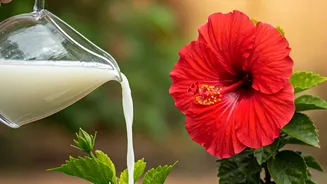
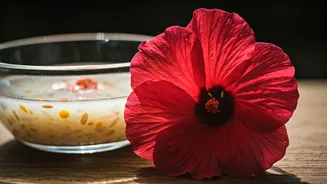
(P), and potassium (K). Starch provides carbohydrates that feed beneficial microorganisms in the soil. These microbes, in turn, help break down organic matter and make nutrients more available to the plant's roots. Think of it as a mild, natural tonic that supports the overall health of your hibiscus, creating the perfect conditions for it to focus its energy on producing beautiful flowers.
Plain vs. Fermented Rice Water
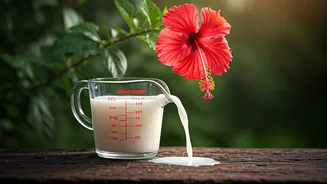
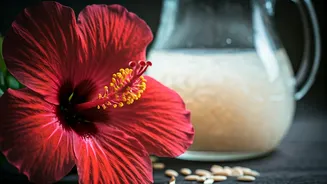
You can use rice water in two ways: plain or fermented. Plain rice water is simply the water you’ve used to rinse your uncooked rice. It’s easy to collect and use immediately. Fermented rice water, however, is a more potent option. To make it, you let the plain rice water sit in a loosely covered jar for a few days until it develops a slightly sour smell. This fermentation process encourages the growth of beneficial bacteria, like Lactobacillus, and slightly increases the availability of nutrients. While fermented water offers a stronger boost, plain rice water is still highly effective and a great starting point if you're new to this method. The key is consistency, not necessarily potency.
How to Prepare Your Plant Tonic
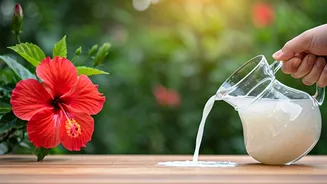
Making this natural fertilizer couldn't be simpler. When you rinse your rice before cooking, collect that first or second rinse of water in a clean bowl or jar. This cloudy water is what you need. If you're boiling rice plain (without salt or oil), you can also let the cooking water cool and use that. The most crucial rule is to only use water from plain, unseasoned rice. Salt, oil, and other seasonings can harm your plants and damage the soil. Once you have your rice water, it needs to be diluted. A good rule of thumb is a 1:1 ratio—one part rice water to one part plain water. Using undiluted rice water, especially if it's starchy, can sometimes create a crust on the soil or attract pests. Dilution ensures the nutrients are delivered gently without overwhelming your plant.
Application: How and When to Feed
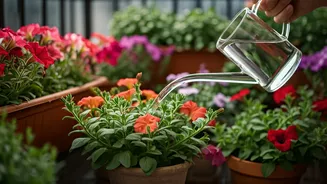
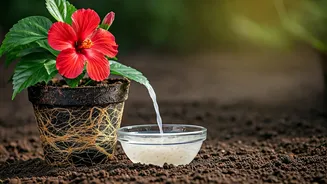
Consistency is more important than quantity. Aim to feed your hibiscus with diluted rice water about once a week or once every two weeks. Simply use it in place of your regular watering session. Pour the solution directly onto the soil around the base of the plant, allowing it to soak down to the roots. Avoid pouring it over the leaves, as this doesn't benefit the plant and can sometimes encourage fungal issues in humid conditions. You should start to see an improvement in the plant’s overall vigour and leaf health within a few weeks, with more abundant flowering following as the plant becomes healthier and better-nourished. Remember, this is a supplement, not a replacement for good soil, adequate sunlight, and proper pruning.
Common Mistakes to Avoid
To ensure your hibiscus thrives, steer clear of a few common errors. First, never use water from rice that has been cooked with salt, butter, or oil. These additives are harmful to plants. Second, don't overdo it. Using rice water too frequently can lead to overly starchy soil or even root rot if the soil remains constantly soggy. Stick to a weekly or bi-weekly schedule. Finally, manage your expectations. While rice water is beneficial, it's not a miracle cure for a dying plant or a substitute for its basic needs like sunlight and proper pot drainage. View it as a valuable, organic addition to a healthy plant care routine.