





The Backlash Against 'Overtourism'
For years, travel was a game of accumulation—collecting stamps in a passport or photos at iconic landmarks. This was often fuelled by a social media-driven 'fear of missing out' (FOMO). However, the reality of these popular destinations is often one of endless
queues, inflated prices, and a constant jostle for space, which detracts from the experience. Today’s youth are experiencing a fatigue with this model. Instead of returning from a break more tired than they left, they are actively seeking holidays that genuinely rejuvenate. The preference is shifting from the frenzy of mainstream tourist spots to quieter, less-crowded locations that offer a real sense of escape.
In Search of Authentic Connections
A key driver of this trend is the search for authenticity. Young travellers are increasingly looking for immersive experiences that commercialised tourist traps cannot offer. They want to connect with local culture, savour regional cuisine, and experience a pace of life that is a world away from their urban existence. Small towns, with their unique traditions and welcoming communities, provide this in abundance. Instead of a selfie at a crowded monument, the new travel goal might be learning a local craft, exploring a village market, or simply sharing stories with a homestay owner. This move signifies a deeper, more conscious approach to travel, where the quality of the experience trumps the quantity of sights seen.
Wellness as the New Itinerary
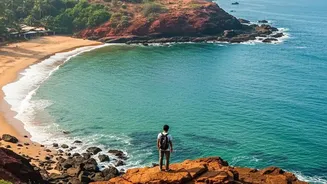
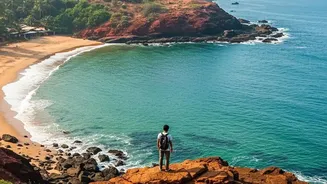
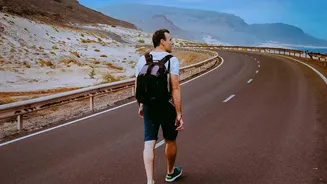
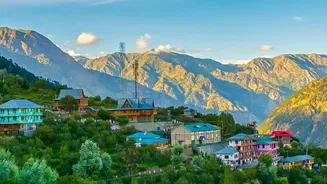
The conversation around mental health and wellness has profoundly influenced travel choices. A quick break is no longer just a holiday; it's a 'wellness retreat'. The goal isn't to see and do everything, but rather to disconnect, slow down, and focus on personal well-being. This has given rise to the 'do-nothing' vacation, where the itinerary is intentionally sparse. The main activities might include reading a book, taking long walks in nature, or simply enjoying the silence. Destinations offering yoga, meditation, and a strong connection to nature, like Himalayan hamlets or serene coastal villages, are becoming increasingly popular for these restorative trips.
The 'Workcation' and Digital Flexibility
The rise of remote and flexible work arrangements has been a major catalyst for this trend. The ability to 'work from anywhere' has untethered young professionals from their city desks, allowing them to blend work with travel. A quiet town with reliable internet is the perfect setting for a 'workcation'. Professionals can put in a productive workday and then immediately step out to enjoy a mountain view or a walk on the beach. This allows for longer stays that are more than just a quick weekend trip, enabling a deeper immersion into the local environment without sacrificing professional commitments. Hill stations in Himachal and Uttarakhand, and coastal towns in Goa and Karnataka have emerged as popular workcation hubs.
Discovering India’s Hidden Gems
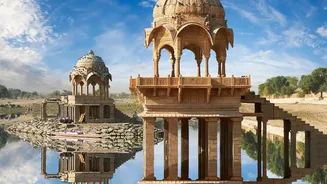
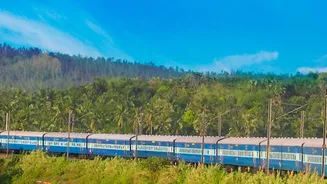
This movement is also leading to the discovery of lesser-known destinations across the country. As travellers venture off the beaten path, they are uncovering the charm of places that have remained untouched by mass tourism. Reports show a significant increase in searches for rural and non-urban destinations. From the tranquil backwaters of Kerala to the coffee plantations of Coorg and the remote villages of Arunachal Pradesh, young Indians are creating new travel circuits. This dispersal of tourism not only provides more sustainable travel options but also helps bring economic benefits to smaller communities, creating a more balanced and responsible tourism landscape for the future.