


The Whey Protein Gold Standard
To understand the comparison, we first need to know why whey is so popular in the fitness world. Whey protein, a byproduct of cheese production, is prized for two main reasons: its rapid absorption rate and its stellar amino acid profile. It’s a ‘complete
protein’, meaning it contains all nine essential amino acids (EAAs) that our bodies cannot produce on their own. More importantly, it is particularly rich in leucine, a branched-chain amino acid (BCAA) that acts like a primary switch to trigger muscle protein synthesis (MPS) — the process of repairing and building muscle tissue. A typical serving of whey can deliver a potent dose of leucine, making it highly efficient for kickstarting recovery after a tough workout.
The Plant Protein Challenge
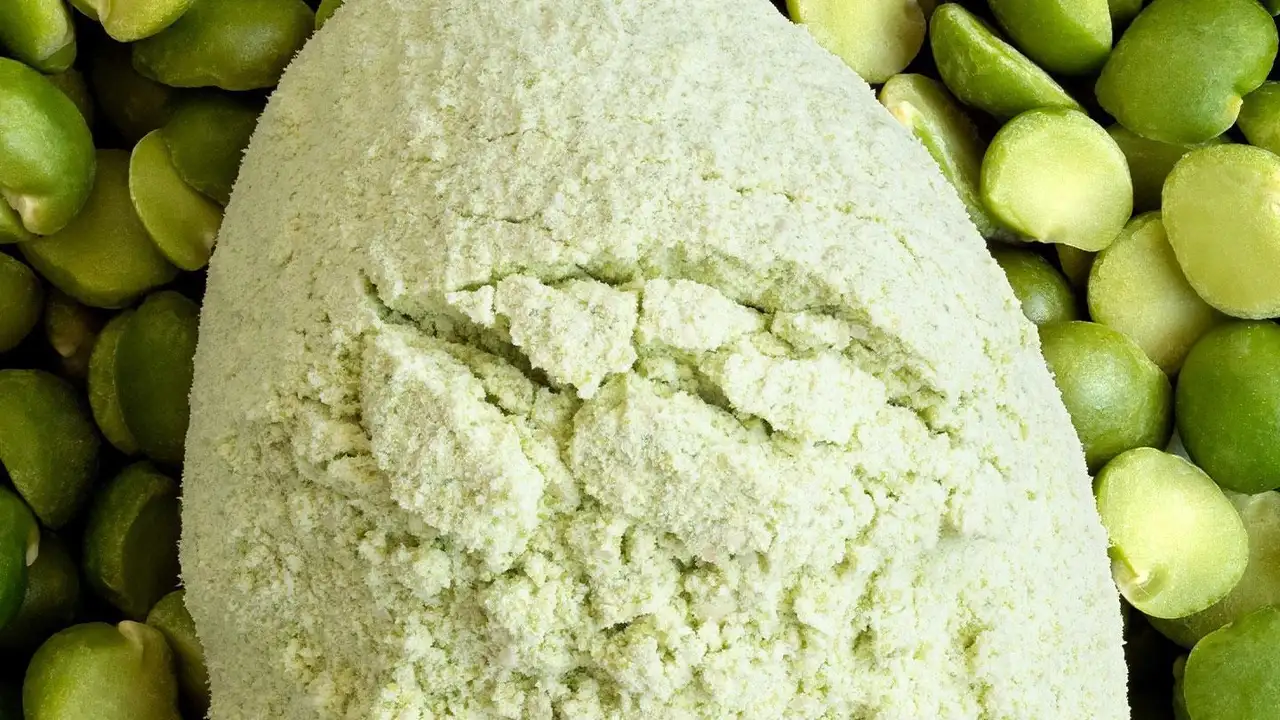
Historically, single-source plant proteins have been viewed as inferior for muscle building precisely because they often lack the balanced amino acid profile of whey. Many are ‘incomplete’, meaning they are low in one or more essential amino acids. For example, while pea protein has a decent amount of most EAAs and is particularly rich in lysine, it is relatively low in methionine. On the other hand, brown rice protein is low in lysine but contains a good amount of methionine. This is where the idea of combining them comes in.
A Powerful Plant-Based Partnership
The magic happens when you combine pea and brown rice protein. The two sources have complementary amino acid profiles. The high lysine content in pea protein makes up for the low lysine in brown rice protein, while the brown rice fills the methionine gap in the pea protein. The result is a multi-source plant protein blend that provides all nine essential amino acids in effective amounts, creating a 'complete' protein profile that is far superior to either plant source on its own and rivals that of whey. This synergistic combination ensures your muscles get the full spectrum of building blocks they need for optimal growth and repair.
Matching Whey Where It Counts: Leucine
The key factor for muscle growth is hitting a specific leucine threshold to maximise muscle protein synthesis. While whey is naturally higher in leucine per gram, studies show that as long as a protein serving provides a sufficient amount of leucine (around 2-3 grams), the source becomes less critical for stimulating muscle growth. Several studies have demonstrated that when matched for leucine content, plant-based protein blends can stimulate muscle protein synthesis to the same degree as whey. This means by consuming a slightly larger serving of a pea and rice blend, you can achieve the same anabolic (muscle-building) signal as a standard serving of whey.
What the Science Says About Real-World Gains
Lab data on amino acids is one thing, but what about actual results in the gym? Multiple clinical trials have put this question to the test. A landmark 12-week study published in the Journal of the International Society of Sports Nutrition involving 161 men in a resistance training program found no significant difference in muscle thickness gains between the group supplementing with pea protein and the group taking whey protein. Both groups saw significantly more muscle growth than the placebo group. Another study comparing rice protein isolate to whey found similar improvements in body composition and exercise performance between the two groups after 8 weeks of training. These results suggest that when total daily protein intake is sufficient, a well-formulated plant-based blend is just as effective as whey for building muscle and strength.