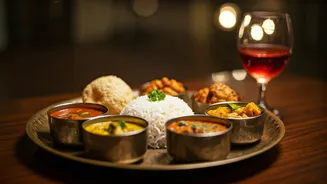

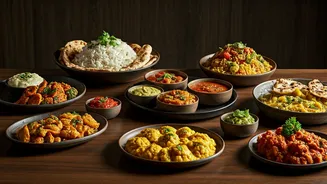
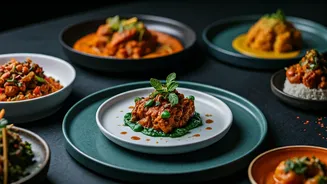


Beyond the Predictable Pan-Indian Menu
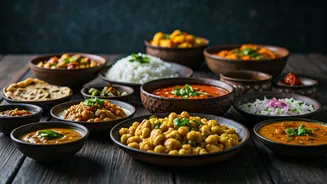
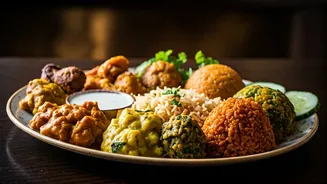
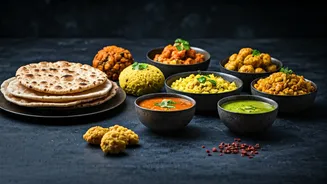
For years, the global and even domestic perception of Indian food was often limited to a handful of dishes: butter chicken, paneer tikka masala, naan, and biryani. [2] While delicious, this narrow representation barely scratches the surface of India's
vast culinary landscape. Each state, region, and community has its own distinct ingredients, techniques, and flavour profiles. [6] Now, a growing movement is challenging this monolithic menu. [7] Diners are showing a sharp curiosity for food that tells a story, leading chefs to dig deeper into the country's heritage, moving beyond generic curries to offer a genuine taste of a specific place. [2, 7] This shift means menus are finally beginning to reflect the true diversity of India's 28 states. [8]
Spotlight on the Unsung Regional Stars
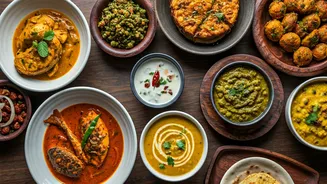
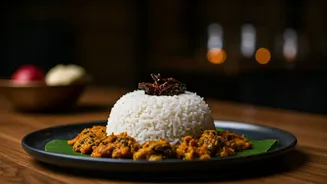
This new energy is bringing lesser-known cuisines to the forefront. For instance, Bihari food, once dismissed as rustic, is finding its place in premium dining. [4] Restaurants like The Potbelly in Delhi are celebrated for introducing diners to the earthy flavours of Litti Chokha, Champaran Mutton, and sattu-based dishes. [4, 16, 20] Similarly, the complex flavours of Northeast India—with its focus on fermented ingredients, smoked meats, and unique herbs from Nagaland, Assam, and Manipur—are gaining a loyal following in urban centres. [12, 19, 26] Diners are discovering the pungent allure of Akhuni (fermented soybean chutney) and the simple elegance of dishes steamed in bamboo. [12, 13] Even within more familiar territories, the focus is sharpening. Restaurants are exploring the coastal seafood of Kerala, the fiery Chettinad cuisine of Tamil Nadu, and the delicate, mustard-laced fish stews of Bengal. [2, 7]
Chefs as Culinary Storytellers
This trend is powered by a generation of chefs who see themselves as cultural ambassadors. Trailblazers like the late Floyd Cardoz and Thomas Zacharias at The Bombay Canteen championed regional Maharashtrian flavours, while Manish Mehrotra has long elevated hyper-local dishes with contemporary twists. [2, 15] In Chennai, restaurants like Kappa Chakka Kandhari, helmed by Chef Regi Mathew, present a distinctive take on Keralan cuisine, focusing on ingredients and techniques that were fading from modern kitchens. [2, 10] More recently, Chef Arupam Baidya's Parva in Chennai has built a menu spanning 23 regions, sourcing authentic ingredients directly from their place of origin to tell the story of a community or tradition with every dish. [5] These chefs are not just cooking; they are reviving forgotten recipes and celebrating the farmers and producers behind the ingredients. [2, 11]
Why Is This Happening Now?
Several factors are driving this culinary shift. Indian diners, more well-travelled and digitally connected than ever, are increasingly adventurous and curious about their own heritage. [2] There is a growing pride in local identity and a desire for authenticity over generic fusion. Pop-ups and supper clubs dedicated to specific regional menus, from Goan seafood feasts to Pakhtooni delicacies, have also gained significant ground, acting as incubators for these new dining concepts. [19, 21] Furthermore, this movement is often linked with sustainability, as chefs focus on sourcing local, seasonal, and indigenous produce, sometimes from within a small radius of their restaurant or by working directly with farming communities. [2, 11, 15]