







The Allure of the Quick Fix
Fitness challenges and short-term streaks are incredibly popular for a reason. They offer a clear goal, a defined timeline, and the promise of rapid results. The excitement of starting something new, combined with a strong sense of community on social
media, can be a powerful motivator. Committing to a 30-day program feels more manageable than a vague resolution to "get fit." However, the intensity required can sometimes lead to burnout or injury, and the question remains: what happens on day 31? For many, the end of a challenge can lead to a complete cessation of training, creating a cycle of intense activity followed by inactivity.
The Science of Sustained Training
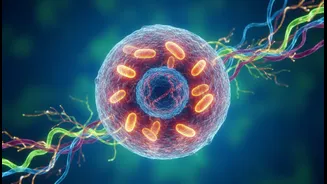
Sustained, consistent training might not have the same flair as a viral challenge, but it's where the real magic happens for your health. Long-term exercise fundamentally reprograms the body toward youthfulness. Regular physical activity builds what scientists call 'exercise-trained muscle', which is more resilient and efficient. Weeks and months of repeated exercise sessions lead to long-term adaptations, including increased muscle strength and a boost in mitochondrial biogenesis. Mitochondria are the powerhouses of our cells, and having more of them means our muscles can produce more energy and resist fatigue. This consistent stimulus tells your body to build a stronger, more capable foundation.
Exercise and Your Molecular Age
Aging isn't just about wrinkles and grey hair; it's a process that happens deep within our cells. This 'molecular aging' involves several factors, including the shortening of telomeres, which are the protective caps on our chromosomes. Each time a cell divides, these telomeres get a little shorter, and this is linked to age-related diseases. Another factor is chronic low-grade inflammation, sometimes called 'inflammaging', which accelerates cellular aging. Research shows that consistent exercise is a powerful tool to combat these processes. High levels of physical activity are linked to significantly longer telomeres—a biological aging advantage of up to nine years compared to being sedentary.
How Consistency Rewinds the Clock
Sustained training appears to directly counteract the hallmarks of aging at a molecular level. Studies show that regular workouts can reduce about 50% of the age-related changes in gene expression within our muscles, making them appear biologically younger. Consistent exercise also improves the function of mitochondria and helps maintain levels of NAD+, a crucial molecule for DNA repair. Both endurance and strength training offer unique benefits. Cardio is particularly effective at activating telomere-lengthening enzymes. Meanwhile, long-term strength training is exceptional at preserving fast-twitch muscle fibers, which are often the first to be lost with age, helping older adults maintain strength profiles similar to younger individuals.
The Downside of 'Use It or Lose It'
The problem with the fitness streak model is a phenomenon called 'detraining'. When you stop exercising, your body quickly begins to lose the adaptations it gained. Within just a few weeks of inactivity, you can see a noticeable drop in VO2 max (a measure of endurance), a decrease in muscle glycogen stores, and reduced insulin sensitivity. While some strength can be maintained for several weeks, muscle mass can start to decline more quickly. One study on older women found that just one month of detraining was enough to completely reverse the functional gains made from a six-month strength program. This on-again, off-again cycle makes it difficult to build the lasting molecular benefits that come from consistency.
Building a Routine That Lasts
The key to unlocking the anti-aging benefits of exercise isn't about being perfect; it's about being persistent. Building a sustainable routine means finding activities you genuinely enjoy and setting realistic goals. Consistency beats intensity in the long run. A daily 15-minute walk creates more lasting change than a punishing, sporadic gym session that leads to burnout. Focus on making movement a non-negotiable part of your day, like brushing your teeth. By starting small and gradually building, you create a habit that your body and mind can stick with for years, reaping the profound health benefits along the way.