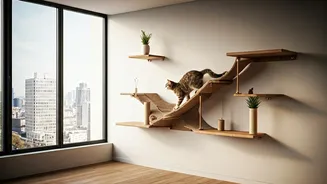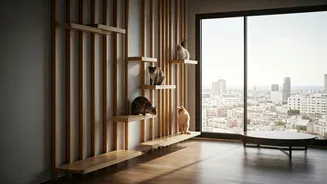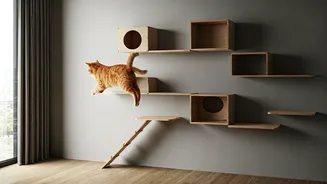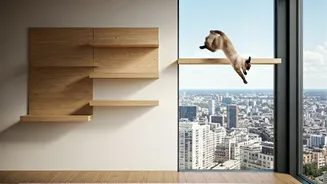






Why Cats Crave Height
A cat’s desire for high places isn't just a quirky habit; it's a deep-seated instinct. In the wild, their ancestors used elevation for survival. Climbing provided a safe vantage point to survey their territory for prey and spot potential threats from
a distance. For your indoor cat, that instinct remains powerful. A high perch offers a sense of security and control over their environment. From a lofty spot on a shelf or bridge, the world slows down, and they become the undisputed monarch of their domain. This feeling of safety is crucial, especially in busy households with children, other pets, or frequent visitors. It gives them a private retreat where they can observe the action without feeling overwhelmed or vulnerable.
The Mental and Physical Benefits
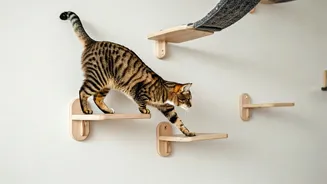
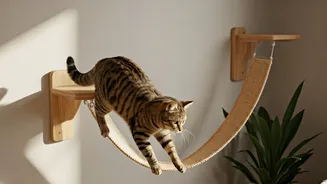
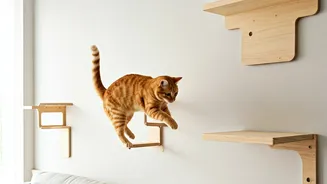
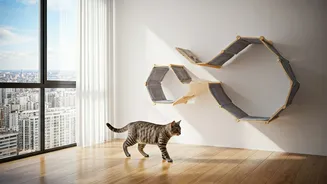
Expanding your cat’s world vertically is one of the most effective forms of environmental enrichment. A bored cat is often a destructive or anxious cat. Wall-mounted bridges, shelves, and perches encourage natural behaviours like climbing, jumping, and balancing, which provides essential physical exercise. This helps maintain a healthy weight and keeps their joints and muscles strong. Mentally, navigating a vertical course is like a puzzle. It stimulates their mind, preventing the lethargy and stress that can arise from a monotonous, floor-level existence. In multi-cat homes, vertical territory is even more critical. It expands the available resources, allowing cats to share a space without competing for the same spot, which dramatically reduces conflict and tension.
Choosing the Right Setup
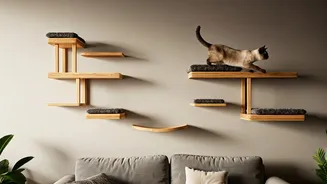
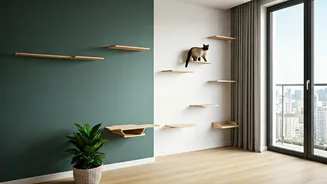
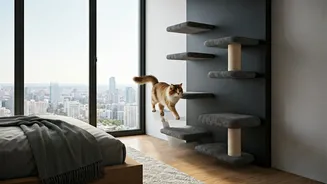
The market for 'catification' products has exploded, but not all are created equal. When selecting shelves or bridges, prioritise stability and material. Solid wood is a durable and reliable choice, while engineered wood or particleboard may not withstand a cat's repeated leaping over time. The surface should provide good grip. Consider adding a layer of carpet, sisal rope, or non-slip bath treads to prevent accidents. The size of the perches matters, too. Ensure they are wide enough for your cat to comfortably turn around and lounge. A simple series of staggered shelves can be just as effective as an elaborate, interconnected bridge system. Start by observing your cat: do they prefer to look out a window, or do they like to nap near a heat source? Place your vertical additions in these high-value locations.
DIY vs. Store-Bought Solutions
Creating a vertical paradise for your cat doesn't have to break the bank. For the handy pet owner, a DIY approach offers maximum customisation. You can use sturdy shelving brackets and wood planks from a hardware store, cutting them to fit your specific space and wrapping them in carpet remnants or sisal rope. This allows you to control the quality of materials and design a path that perfectly suits your home’s layout. However, if you're short on time or tools, store-bought kits are an excellent alternative. These systems are designed with feline safety in mind and often come with all the necessary mounting hardware and instructions. While they may be more expensive, they provide a reliable, professionally tested solution that you can install with confidence.
Installation and Safety First
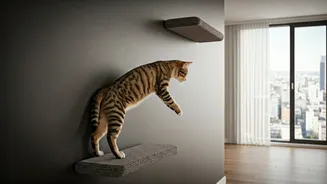
Proper installation is non-negotiable. A wobbly shelf is more dangerous than no shelf at all. Always anchor shelves, perches, and bridges directly into wall studs. A simple stud finder is an invaluable tool for this task. Do not rely on drywall anchors alone, as they are not designed to support the dynamic load of a leaping cat. Pay close attention to the weight limits of both the hardware and the shelves themselves. When planning the layout, ensure the spacing between perches is manageable for your cat's age and agility. A young, athletic cat might clear a wide gap, but a senior cat will need closer, stair-like steps. Finally, avoid placing shelves directly above areas where you sit, like a sofa or bed, and ensure there are no fragile items nearby.