






Understanding September's Weather
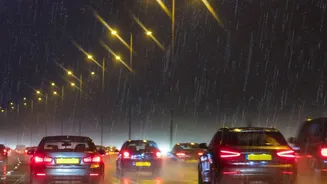
September is the final month of India's southwest monsoon season. While the rains begin their retreat, this process is not uniform across the country. A low-pressure system can bring fresh, heavy spells of rain, particularly to eastern, central, and parts
of northern India. According to the India Meteorological Department (IMD), the first week of September is expected to see continued widespread rainfall across states like Odisha, Chhattisgarh, West Bengal, and Jharkhand. Even northern states like Himachal Pradesh, Uttarakhand, and Uttar Pradesh are forecast to remain wet. This means travellers should anticipate intermittent rain and be prepared for sudden changes in weather, even in regions where the monsoon is technically withdrawing. The key is not to cancel plans, but to plan for possibilities.
Your Essential Weather Toolkit
Relying on a single generic weather app is often not enough in India. For the most accurate and localized information, start with the official sources. The IMD's 'MAUSAM' app is a must-have, providing forecasts, radar images, and severe weather warnings directly from the national authority. It is available in multiple Indian languages. For a private-sector alternative, 'Skymet Weather' is another reliable, India-focused app that provides detailed forecasts, lightning alerts, and analysis from a vast network of weather stations. International apps like AccuWeather are also popular and can be useful for their minute-by-minute precipitation forecasts in certain areas. Cross-referencing between two or more of these apps can give you a more complete picture of what to expect.
Decoding IMD's Colour-Coded Alerts
When the IMD issues a warning, it uses a colour-coded system that every traveller should understand. These alerts apply to rain, thunderstorms, and other hazards. A 'Green' alert means no advisory is needed. A 'Yellow' alert is a signal to 'Be Aware' and stay updated, as weather conditions could worsen and disrupt daily activities. An 'Orange' alert means 'Be Prepared' for potentially extreme weather that could disrupt travel, communication, and power. The highest level is a 'Red' alert, which means 'Take Action'. This indicates a forecast of extremely severe weather with a high risk to life and property, and authorities are advised to take necessary measures. Paying attention to these codes can help you make critical decisions, like whether to proceed with a planned drive into a hilly area.
Assessing Road and Route Risks
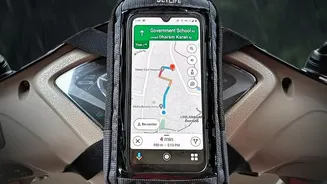
A clear weather forecast at your origin doesn't guarantee a clear road ahead. Heavy rains, especially in hilly and ecologically sensitive areas, bring the risk of landslides and flash floods. About 12.6% of India's land area is prone to landslides, particularly in the Himalayas and Western Ghats. Before starting a long drive, especially on national highways, it's crucial to check for route-specific advisories. The National Highways Authority of India (NHAI) sometimes shares updates on road conditions, closures, and diversions through its social media channels and press releases, especially during emergencies. For a more integrated tech solution, the Mappls App (formerly MapmyIndia) has started integrating real-time data from NHAI, providing alerts on accident-prone zones and landslide-prone stretches directly within its navigation. Always have a plan B, and if travelling to a known risk area, check with local authorities or your hotel for the most current ground-level information.
The Human Element: Local Knowledge and Flexibility
Technology is a powerful tool, but it's not a substitute for human intelligence and flexibility. When you're on the road, especially in rural or remote areas, local drivers, guesthouse owners, and shopkeepers are your best source of real-time information. They know which roads are vulnerable, which streams are likely to swell, and what the local signs of danger are. Build flexibility into your itinerary. Avoid tight schedules that can't accommodate a day's delay due to a landslide or a closed road. Booking accommodations that offer flexible cancellation can also save you headaches. Travelling during the monsoon shoulder season is about embracing the journey, not just rushing to the destination. Being prepared allows you to adapt to whatever the weather throws your way and enjoy the unique beauty of the season safely.