






Step 1: Tend to Your Feet Immediately
Before you even think about your soggy shoes, your priority should be your feet. As soon as you are indoors, take off your wet shoes and socks. The longer your feet remain in a damp environment, the higher the risk of developing fungal infections like
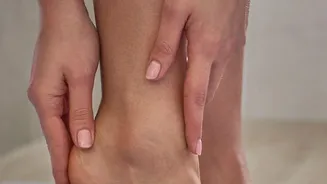
athlete's foot, blisters, and painful skin cracks. Wash your feet thoroughly with mild soap and warm water, paying close attention to the spaces between your toes where moisture loves to hide. After washing, dry them completely with a clean towel. Letting your feet air out by walking barefoot on a clean, dry surface at home can also help ensure they are fully dry before you consider putting any footwear back on.
Step 2: The Right Way to Dry Your Shoes
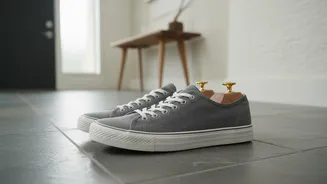
Putting your feet back into still-damp shoes is a recipe for disaster, as it recreates the warm, moist environment where bacteria and fungi thrive. To dry your shoes effectively, start by removing the insoles, if possible, and loosening the laces. This opens up the shoe and promotes better air circulation. The most gentle and effective method is to stuff them with crumpled newspaper or paper towels. The paper will absorb a significant amount of moisture from the inside. For very wet shoes, you may need to replace the damp newspaper with a fresh batch after a few hours. Place the stuffed shoes in a dry, well-ventilated area indoors, away from direct sunlight which can damage and fade the material.
Common Mistakes to Avoid
In a rush to dry your shoes, it’s tempting to use direct heat, but this often does more harm than good. Never place your shoes directly on a radiator, in an oven, or use a hairdryer on them for an extended period. Intense heat can cause materials like leather and synthetics to become brittle, crack, or warp. It can also dissolve the glue that holds your shoes together, significantly shortening their lifespan. If you need to speed up the process, a good alternative is to place the shoes in front of a fan. The moving air will help wick away moisture without the damaging effects of high heat. Another option is placing them near a dehumidifier in a closed room.
Step 3: Prep Your Feet and Socks
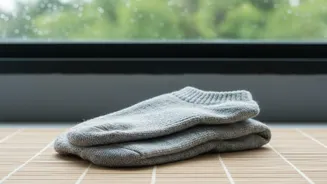
Once your shoes are completely dry, your feet need one final check before re-entry. A light dusting of antifungal or talcum powder can help absorb any residual moisture and prevent sweat from creating a damp environment again. This is especially important if you are prone to sweaty feet or have a history of fungal infections. Just as crucial is your choice of socks. Never re-wear the damp socks you took off. Always opt for a fresh, clean, and completely dry pair. Socks made from moisture-wicking materials like cotton, bamboo, or certain synthetic blends are better choices than standard nylon as they pull sweat away from the skin.
A Rule of Rotation
One of the best habits for both foot health and shoe longevity is to avoid wearing the same pair of shoes two days in a row, especially after they have gotten wet. It can take a pair of shoes anywhere from 12 to 48 hours to dry out completely from the inside. Rotating your footwear gives each pair ample time to air out and fully recover from moisture exposure. This simple practice not only prevents the growth of odor-causing bacteria but also helps maintain the shape and structural integrity of your shoes, ensuring they last longer and provide better support.