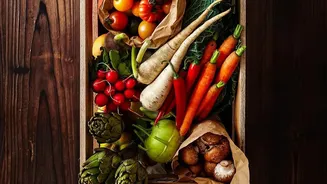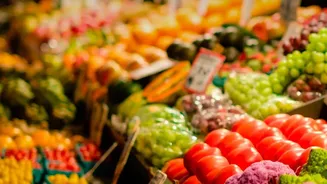




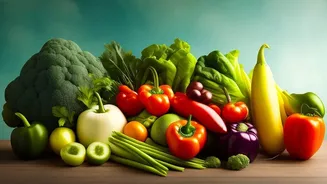
Know What to Buy
During the rainy season, it's wise to favour vegetables that are naturally hardier and less prone to water-logging and pests. Gourds are the undisputed stars of the monsoon. Varieties like bottle gourd (lauki), ridge gourd (turai), bitter gourd (karela),
and pointed gourd (parwal) have a protective outer skin and thrive in this climate. They are generally a safer choice as their edible parts are shielded until you peel them. Other good options include Indian squash (tinda), beans, okra (bhindi), and tomatoes. These vegetables are not only in season but also tend to be easier to clean and less likely to harbour hidden germs compared to their leafy counterparts. Tubers like potatoes and sweet potatoes are also considered safe bets as they are less susceptible to bacterial issues.
Vegetables to Approach with Caution
Leafy green vegetables like spinach, lettuce, and cabbage require extra vigilance during the monsoon. The damp, humid weather makes their leaves a perfect breeding ground for germs, dirt, and tiny insects. Their complex structure with multiple layers makes thorough cleaning a significant challenge. Similarly, cruciferous vegetables like cauliflower and broccoli, with their tightly packed florets, can easily trap moisture and microbes, increasing the risk of contamination. It's often recommended to limit these or, if you do buy them, to be extremely diligent with cleaning. Other vegetables to be mindful of include mushrooms, which thrive in damp conditions, and brinjal (eggplant), which can have a higher infestation of pests this season.
The Art of Smart Selection
Your first line of defence is choosing the best possible produce at the market. Always opt for fresh, firm, and brightly coloured vegetables. Inspect them carefully for any signs of spoilage, such as bruises, soft spots, mould, or an off smell. Avoid pre-cut vegetables that may have been sitting out, as the combination of humidity and exposure allows bacteria to multiply much faster. When buying staples like onions and potatoes, look for onions with dry, tissue-thin skin and potatoes without any spots or sprouts. Choosing produce from vendors who keep their stock fresh and elevated from dirty, puddled water is also a good practice.
A Thorough Cleaning Ritual
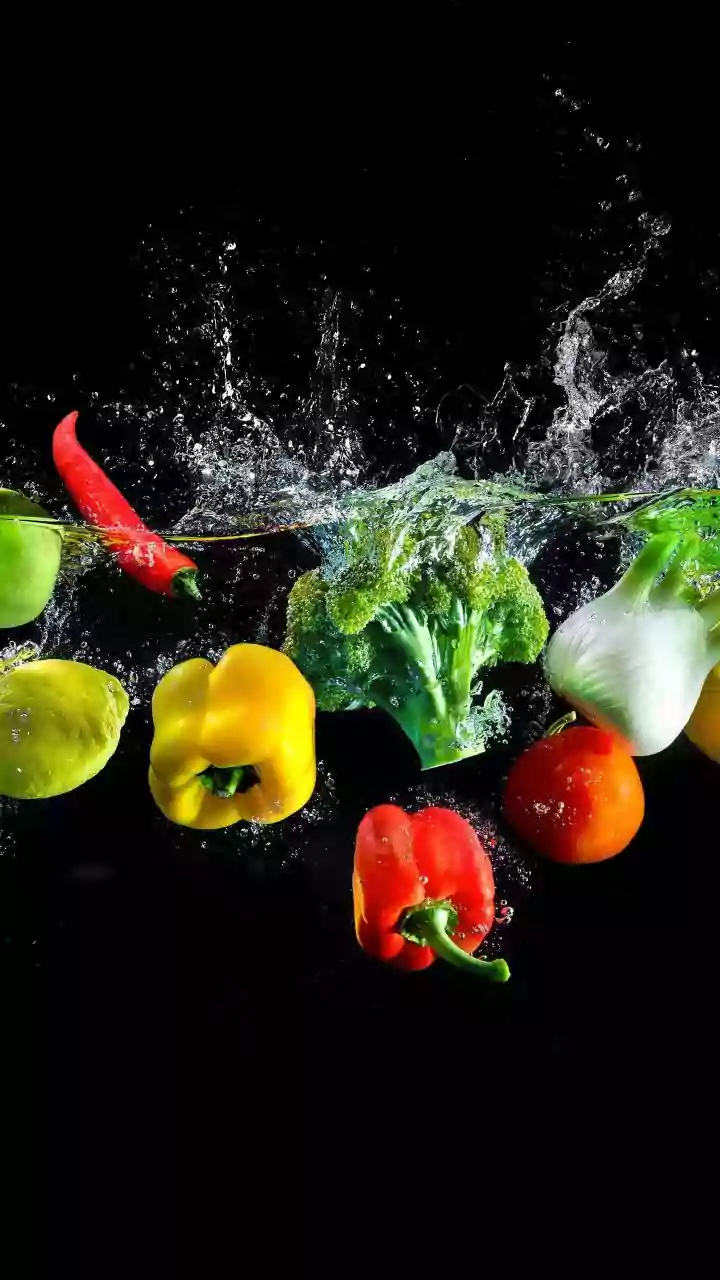
Properly washing your vegetables is non-negotiable during the monsoon. Start by rinsing everything under clean, running water to remove loose dirt. For an extra layer of safety, a saltwater soak is highly effective. Dissolve about one tablespoon of salt in a litre of cool water and submerge your vegetables for 10-15 minutes. This helps dislodge hidden insects and reduces the surface bacterial load. For leafy greens, separate the leaves before soaking to ensure every part gets cleaned. Root vegetables like carrots and potatoes benefit from a good scrub with a vegetable brush under running water. Remember to always wash your hands thoroughly with soap before you begin handling any produce.
Proper Storage for Longevity
How you store your vegetables is just as important as how you clean them. The enemy of freshness in the monsoon is excess moisture. After washing, it's crucial to dry your vegetables completely before refrigeration. Pat them dry with a clean cloth or paper towels. For leafy greens, wrapping them in a paper towel before placing them in a perforated or net bag can absorb extra moisture and prolong their life. Avoid storing vegetables in tightly sealed plastic bags, which trap moisture and accelerate spoilage. Instead, use breathable bags or containers. Store items like onions and potatoes in a cool, dry, and dark place, never in the fridge, as this can affect their flavour and texture.