



From Kitchen Waste to Garden Wealth
Composting is nature's recycling program. It's the process of breaking down organic materials like food scraps and yard waste into a rich, dark, soil-like substance called compost. This finished product is packed with nutrients that are essential for
healthy plant growth. By setting up a simple sorting routine, you divert a significant amount of waste from landfills, where it would otherwise produce harmful greenhouse gases. Instead, you create a free, all-natural fertilizer that improves soil structure, helps it retain moisture, and nurtures your plants.
Choosing Your Composting Method
The right method depends on your living situation, especially in diverse Indian urban settings. For those with a garden or a large terrace, a traditional compost bin or a simple heap is effective. These require layering your kitchen waste with dry materials like leaves and soil. For apartment dwellers, options are plentiful. You can use compact, multi-tiered stackable bins that fit neatly on a balcony. Vermicomposting, which uses earthworms to break down waste in a container, is another excellent, low-odour option for small spaces. If you have no space at all, many communities have drop-off sites or services that will collect your kitchen scraps for you.
The Simple Daily Sorting Habit
The key to effortless composting is making it a part of your daily kitchen cleanup. Start by keeping a small, lidded container on your countertop or under the sink. As you cook and prepare meals, simply toss your compostable scraps into this container. This includes vegetable peels, fruit cuttings, coffee grounds, tea leaves, and crushed eggshells. Chopping larger items into smaller pieces will help them break down much faster. At the end of the day, or whenever the pail is full, empty its contents into your main compost bin or pile. This small habit takes only a minute but is the most crucial step in the entire process.
What to Compost (and What to Avoid)
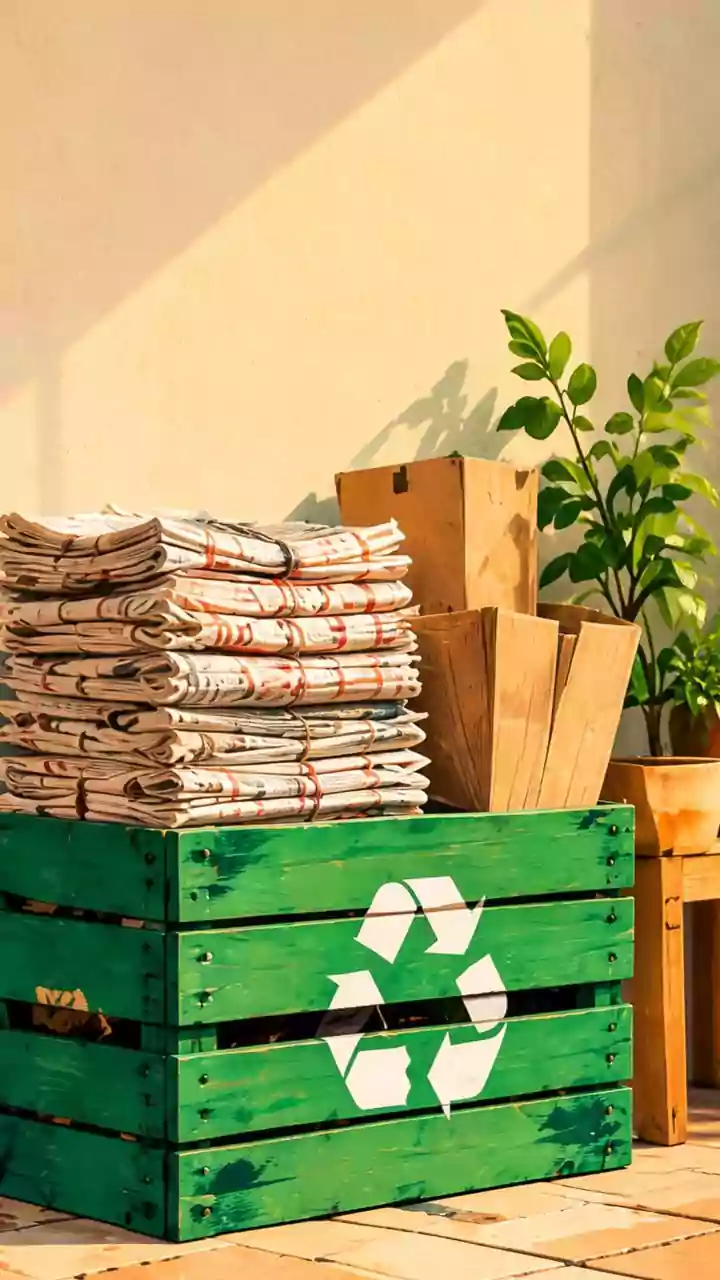
A successful compost pile relies on the right ingredients. You need a good balance of 'greens' (nitrogen-rich materials) and 'browns' (carbon-rich materials). Your kitchen scraps are the 'greens'. The 'browns' are dry materials like dried leaves, cocopeat, shredded newspaper, or cardboard. A good rule of thumb is to add a layer of browns every time you add a layer of greens from your kitchen. This prevents smells and ensures the right conditions for decomposition. Avoid adding meat, fish, dairy products, and oily or greasy foods to a home compost pile, as these can attract pests and create foul odours.
The Magic of Transformation
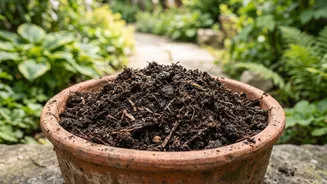
Once you have your system in place, nature takes over. Microorganisms get to work, breaking down the organic matter. This process generates heat, which further accelerates decomposition. If you have a traditional bin or pile, you'll need to turn it with a fork every week or two to introduce oxygen, which is vital for the aerobic process. In a few months, depending on the method and conditions, the contents will transform. You'll know your compost is ready when it is dark, crumbly, and has a pleasant, earthy smell.